Beyond Reefs: Vital Role of Investment in Palauan Tourism
"The blue waters of the Rock Islands are more than just a backdrop; they are the foundation of a nation built through strategic global partnerships."
Modern Palau is a masterpiece of careful planning, where high-end tourism infrastructure meets some of the world's most stringent environmental protections.
While the pristine reefs draw visitors from across the globe, the ability to host these travelers comfortably is the result of decades of targeted investment and international cooperation.
Key Takeaways * Taiwanese investment has been a cornerstone in developing the modern tourism assets that define the Palauan visitor experience. * This partnership supports Palau’s transition into a high-value, sustainable ecotourism destination rather than mass-market tourism.
* Understanding these economic ties helps travelers appreciate the quality of the resorts and facilities available in the archipelago.

How has Taiwanese investment shaped Palau's premier tourism infrastructure?
At 10:00 AM on a Tuesday, you stand on the tarmac at Republikan International Airport, feeling the humid tropical air hit your skin as you wait for your shuttle.
In the early days of Palauan tourism, accommodations were often rudimentary, limited by the remote nature of the islands and a lack of large-scale capital.
The shift toward high-end, reliable lodging changed everything.
The influx of investment, particularly through partnerships with Taiwan, allowed for the construction and upgrading of significant hospitality assets.
This wasn't just about building hotels; it was about creating the infrastructure necessary to support professional dive operations and luxury travelers.
Many of the key facilities that allow for seamless transitions between the airport and the outer islands were built or modernized through these strategic ties. Before these investments, the "luxury" segment was virtually non-existent.
Today, visitors can find well-appointed resorts that provide the power, water, and communication stability required by international travelers.
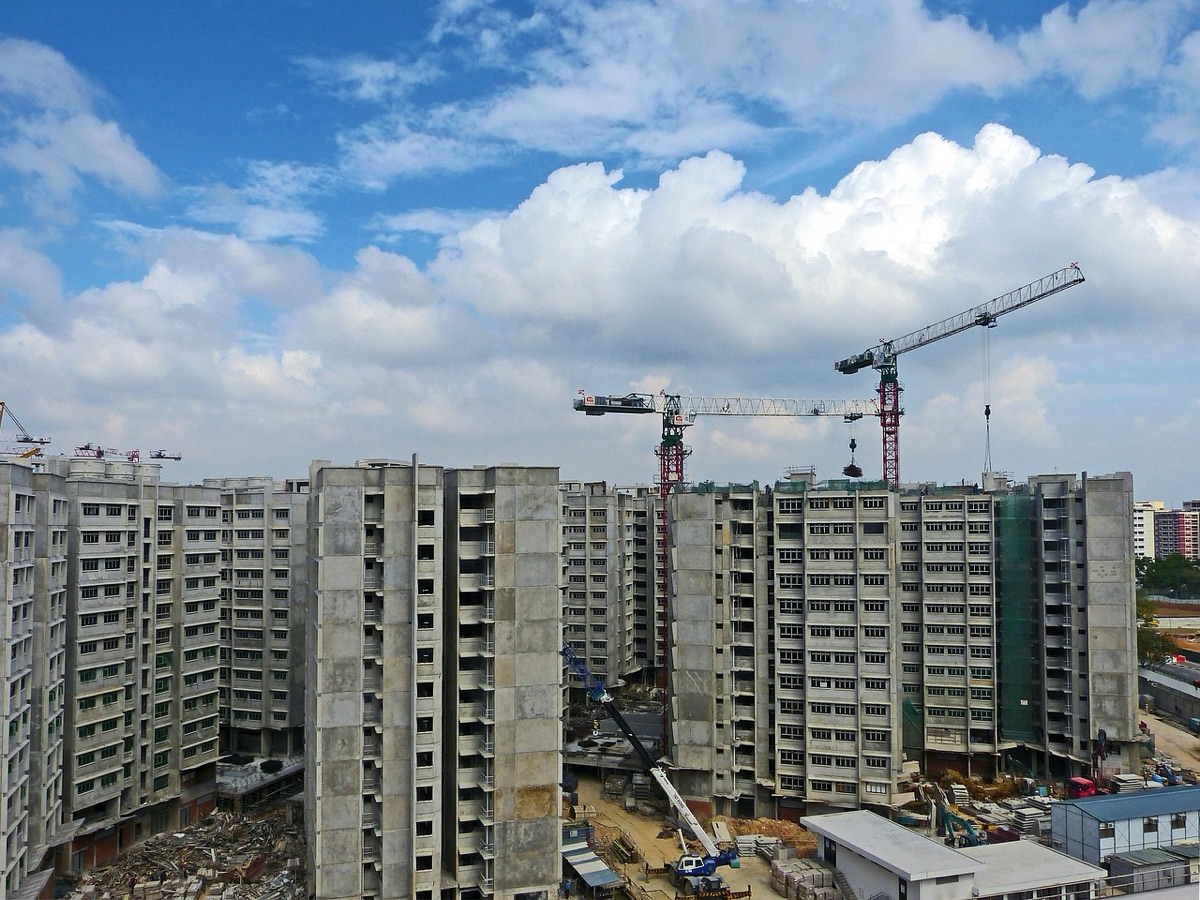
This transition moved Palau from a niche, rugged outpost to a professionalized destination capable of hosting high-net-worth divers and eco-tourists. The scale of this impact is visible in the very buildings that serve as the base of operations for much of the country's tourism sector.
But infrastructure is only half the story.
What is the current economic profile of Palau, and how does this partnership fit into it?
Walking through the streets of Koror at dusk, you can smell the salt air and hear the hum of small engines as boats return to the docks. The economy is a delicate balance of traditional ways and modern service-based industries.
To understand the scale of the economy, we look at the recent data. According to World Bank data, Palau recorded international tourist arrivals of 18,400 in 2020. While this figure reflected the global travel disruptions of that year, it provides a baseline for the nation's reliance on mobility.
Furthermore, according to World Bank data, Palau recorded a GDP per capita of US$19,532 in 2025. This level of income reflects a nation that has successfully leveraged its unique geography into a stable economic profile.
The partnership with Taiwan fits into this profile by providing the capital necessary to maintain high standards of living and infrastructure. In a nation where the population is relatively small, large-scale projects require significant external support to remain sustainable.
This investment helps bridge the gap between the high costs of island logistics and the need for a growing national economy. However, the real magic happens beneath the waves.
Beyond Resorts: How does this cooperation enhance the visitor experience?
A traveler sitting on a wooden pier in Koror might not immediately see the connection between international diplomacy and their perfect dive trip, but the link is direct.
The ability to access remote dive sites and maintain high-quality boat fleets is a direct result of the economic stability provided by these partnerships. The cooperation has enhanced visitor accessibility by funding the equipment and vessels that make world-class diving possible.
High-end dive boats, equipped with modern navigation and safety gear, are a staple of the Palauan experience.
This level of professionalization ensures that the "Blue Corner" or "German Channel" can be visited safely and reliably. Furthermore, there is a careful integration of modern amenities with local culture.
In Palauan society, traditional structures like the *Bai* (meeting houses) remain central to community life.
The modern infrastructure developed through international cooperation respects these boundaries, ensuring that tourism does not overwrite the cultural identity of the islands. This balance is essential for a destination that markets itself on authenticity and respect for local heritage.
But how does Palau keep its waters so pristine while hosting so many guests?
What is Palau's deep commitment to environmental stewardship?
Standing on the deck of a boat as you look out over the vast expanse of the Palau National Marine Sanctuary, the sheer scale of the protection is humbling. The water is clear, the reefs are vibrant, and there is a palpable sense of a managed wilderness.
Palau is a global leader in marine conservation. In 2005, Palau led the Micronesia Challenge, which aimed to conserve 30% of near-shore coastal waters and 20% of forest land of participating countries by 2020. This proactive stance set the stage for even more ambitious protections.
The nation has moved toward a model where the environment is not just a resource to be used, but a heritage to be guarded. For the visitor, this means adhering to strict environmental pledges. You will encounter rules regarding reef-safe sunscreen, no-touch policies, and strict waste management.
This level of stewardship is why the reefs remain healthy enough to support a thriving tourism industry.
The economic investment in infrastructure is always balanced against the necessity of protecting the very assets that drive the economy. This brings us to the practicalities of planning your own trip.
Navigating Palau: A guide to modern facilities and visitor logistics
Deciding where to stay in Palau often comes down to a choice between two distinct styles of travel: the centralized convenience of Koror versus the remote luxury of outer-island resorts.
When I first planned a trip through the archipelago, I spent hours weighing the ease of town life against the desire for total isolation. If you are a diver, you might prefer staying in Koror or nearby areas to be close to the main dive fleet and easy access to the airport.
This is often more cost-effective and provides more variety in dining and social opportunities.
However, if you are looking for a more secluded, high-end experience, you might opt for a resort located on a more remote island.
| Accommodation Type | Best For | Key Advantage |
|---|---|---|
| Koror/PPR Base | Divers & Social Travelers | Easy access to boats, shops, and dining |
| Remote Island Resorts | Luxury & Seclusion | Private beaches and direct reef access |
| Boutique Eco-Lodges | Nature Enthusiasts | High level of environmental integration |
How to choose your base:
- Assess your activity level: If you plan to dive multiple times a day, staying near the docks in Koror saves significant travel time.
- Consider your budget: High-end remote resorts offer more privacy but come at a significant premium compared to town-based hotels.
- Evaluate your group size: Families may prefer the amenities of a larger resort, while solo travelers might find more value in the social atmosphere of Koror.
- Check seasonal accessibility: Some remote locations may be harder to reach during certain weather patterns, making a central base more reliable.
Future Outlook: Sustaining Palau's Economic Vitality
As we look toward the future, the stability of Palau’s economy remains tied to its ability to maintain its status as a premier global destination. The long-term health of the nation depends on diversifying its economic drivers while staying true to its environmental core.
International partnerships will continue to play a vital role in this growth. In addition to bilateral ties, Palau also benefits from broader international frameworks.
Under the terms of the Compact of Free Association with the United States, Palau will receive more than $450 million in assistance over 15 years, $30 million per year, and is eligible to participate in more than 40 federal programs.
This provides a level of fiscal security that allows the nation to plan for long-term infrastructure projects. The combination of targeted investment, strategic international agreements, and a fierce commitment to environmental protection creates a unique economic environment.
For the visitor, this means a destination that is both professionally managed and naturally breathtaking.
#



Comments 0