80% Protected: Yap Tradition Fuels Palau's Marine Success
"Money is not always something you can hold in your hand; sometimes, it is a story shared by a community."
If you find yourself looking at a massive, weathered limestone disc in a museum or a local village, you aren't looking at a mere decoration. You are looking at a physical manifestation of trust, history, and social hierarchy.
* Cultural Identity: Yap stone money is a profound symbol of heritage, not a medium for buying coffee. * Social Function: Historically, these stones represented wealth, status, and community consensus. * Visitor Context: While you won't use stones to pay for a dive, understanding them is key to respecting Palau's cultural DNA. * Sustainability Link: The same respect for tradition that created stone money drives Palau's world-leading environmental protections.

What exactly is Yap stone money? The sun beats down on a dusty path in a remote village in the Yap archipelago, and you see a massive, circular stone partially buried in the earth, its rim smoothed by decades of tropical rain.
You reach out to touch the cool, pitted surface, wondering why such a heavy, impractical object was ever considered valuable.
In the Yap archipelago, these large limestone discs—known as Rai stones—served as a profound method of wealth storage and social signaling. They weren't meant to be carried in a wallet or exchanged for daily groceries.
In 2025, you wouldn't find a shopkeeper asking for a 3-foot wide disc in exchange for a meal.
Instead, their value was tied to the effort required to harvest them from distant islands and the history of the journeys taken to bring them home. A single stone might require a crew of 10 men and a journey of 200 miles by canoe.
The true "magic" of the stone money lay in its consensus-based value. If a stone was lost at sea or remained in a village while the ownership changed, the community still recognized its value. It was a ledger of social truth.
This system relied entirely on the collective memory of the community, proving that value is often a social contract rather than a physical necessity. In my own travels through the Pacific, I have noticed that the most enduring currencies are often the stories we tell about them.
While modern travelers use credit cards and USD, the legacy of this consensus-based value still influences how local communities make decisions regarding land and heritage. But how does this ancient logic translate to a modern economy?
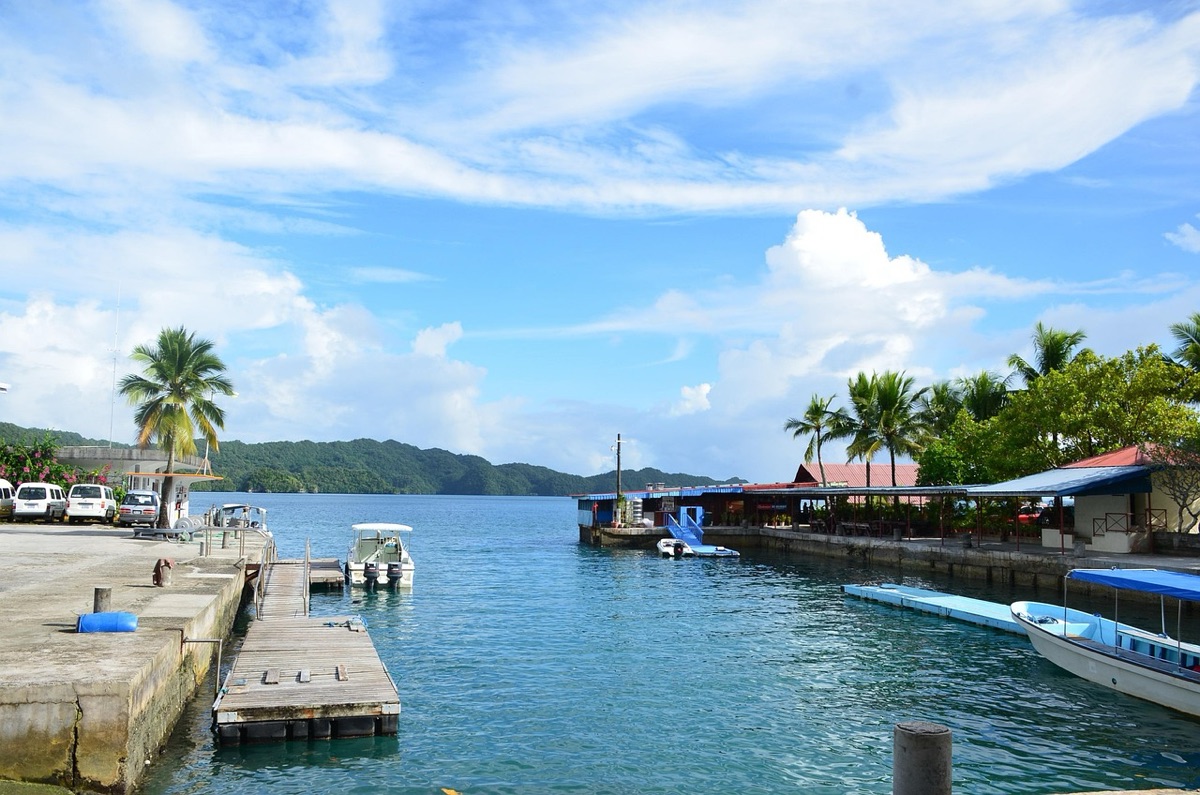
How does Yap compare to modern Palau? In the sweltering heat of a downtown street, you swipe at a glowing smartphone screen while the salty breeze brushes past your face.
A traveler stands in the bustling Koror downtown area in the heat of a July afternoon, checking a digital banking app on a smartphone while a traditional way of life hums in the background. The transition from ancient stone to digital currency is a massive leap.
Today, Palau operates on a modern economic scale. While the cultural weight of Yap remains significant, the daily economy is driven by tourism, fishing, and international relations. For example, according to World Bank data, Palau recorded a GDP per capita of US$19,532 in 2025.
This modern economic reality is built on a foundation of global trade and service industries, far removed from the physical transport of limestone. In a typical Koror cafe, you might pay $5.50 for a latte, a far cry from the weight of a stone.
The transition hasn't erased the old ways; it has layered them. The respect for lineage and community consensus that once governed stone money often informs how local leaders approach modern governance and environmental management.
When you pay your environmental fees or book a local guide, you are participating in a modern economy that still operates within the boundaries of traditional respect. But why does this ancient concept of "permanent value" matter to a tourist in 2026?
Why Should a Tourist Care About Yap?
You sit in a small wooden meeting house, the air thick with the scent of salt and tropical greenery, listening to a local elder explain a custom you didn't expect to hear about. You realize that you aren't just a spectator; you are a guest in a living history.
Understanding the concept of stone money is about understanding the "DNA" of the islands. It teaches you that in Palau, value is often tied to permanence, community, and the environment.
This deep-rooted respect for the "permanent" is exactly why Palau has become a global leader in marine conservation. In a world of fleeting digital assets, the stones represented something that stayed.
When you visit sacred sites or meet local leaders, you aren't just looking at old traditions; you are witnessing the source of their modern environmentalism. The same mindset that valued a stone that could last generations is the mindset that protects 80% of its water resources.
For a traveler, recognizing this connection turns a simple vacation into a meaningful cultural exchange. However, understanding the history is only the first step; you also need to know how to navigate the modern reality of the islands.

Palau's Modern Commitments: A Snapshot of Sustainability
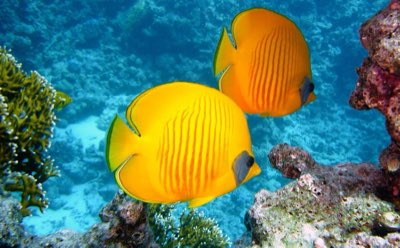
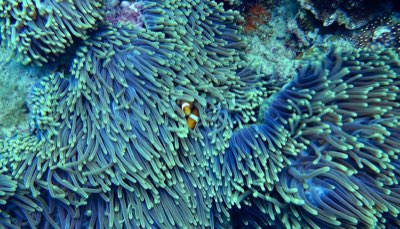
A diver emerges from the turquoise water in the late afternoon, looking up at the lush, green islands that seem to float on the horizon, knowing these ecosystems are protected by law. The beauty is striking, but the legal framework behind it is even more impressive.
Palau is not just a beautiful destination; it is a political powerhouse for environmentalism. In 2015, the country became a member of the Climate Vulnerable Forum, highlighting its role in the global fight against rising sea levels. This commitment is backed by bold domestic policy.
For instance, Palau officially protected 80% of its water resources, becoming the first country in the world to do so. In 2026, as sea levels continue to fluctuate, this protection is more vital than ever.
This level of protection is a modern extension of traditional values. Just as stone money was a way to manage community resources and status, the creation of large-scale marine sanctuaries is a way to manage the nation's most precious resource for future generations.
| Feature | Traditional Yap Context | Modern Palau Context |
|---|---|---|
| Primary Value | Social status and community consensus | Tourism, fishing, and environmental services |
| Medium of Exchange | Physical stone discs (Rai) | US Dollars and digital transactions |
| Resource Management | Clan-based land and sea rights | National marine protected areas |
| Traveler Interaction | Observance of local protocols | Participation in sustainable tourism |
But how do you actually prepare for a trip that respects both the past and the present?
Planning Your Trip: Beyond the Surface Level
You pack your bags in your hotel room, double-checking your environmental pledge and your dive gear, realizing that a trip to Palau requires more preparation than a standard beach holiday. You aren't just packing clothes; you are preparing to enter a delicate ecosystem.
To make the most of your visit, you must balance modern logistics with cultural sensitivity. Here is a practical way to approach your journey:
- Respect the Pledge: Before arriving, you will likely sign the Palau Pledge—a commitment to protect the islands. Treat this as a sacred contract, not a formality.
- Understand the Fees: Be prepared for environmental fees and various permits. In 2026, these fees typically range from $50 to $100 per person depending on the specific permit. These are not "tourist taxes" but essential contributions to the maintenance of the pristine environment you came to see.
- Research Your Logistics: While Koror is the hub, many of the most profound cultural and natural experiences require boat transfers or travel to outer islands.
- Support Locally: When choosing guides or boat operators, look for those who demonstrate a deep understanding of both local customs and environmental regulations.
Visiting Palau is a high-value proposition for those seeking more than just a tan. It is a place where the scale of nature and the depth of culture demand your full attention.
By understanding the history of things like stone money, you gain the perspective needed to be a responsible, enlightened traveler.




Comments 0