Visit Palau: Understanding the Deep Roots of Marine Care
"To visit these waters is to enter a living sanctuary where the rules are not mere suggestions, but a way of life designed to protect a fragile paradise."
Navigating Palau responsibly means understanding the deep-rooted commitment to marine preservation embodied by a profound cultural ethos of stewardship. It is a place where the environment is not a backdrop, but a living participant in the nation's identity.
* Palau's stringent environmental codes are not barriers, but integral parts of its unique cultural identity and marine protection strategy. * Travelers must understand the difference between local customs and tourist expectations regarding marine interaction. * Compliance with local regulations—such as marine sanctuary rules and waste disposal—is mandatory for a sustainable visit. * The deep commitment to conservation reflects Palau's national history of environmental stewardship.
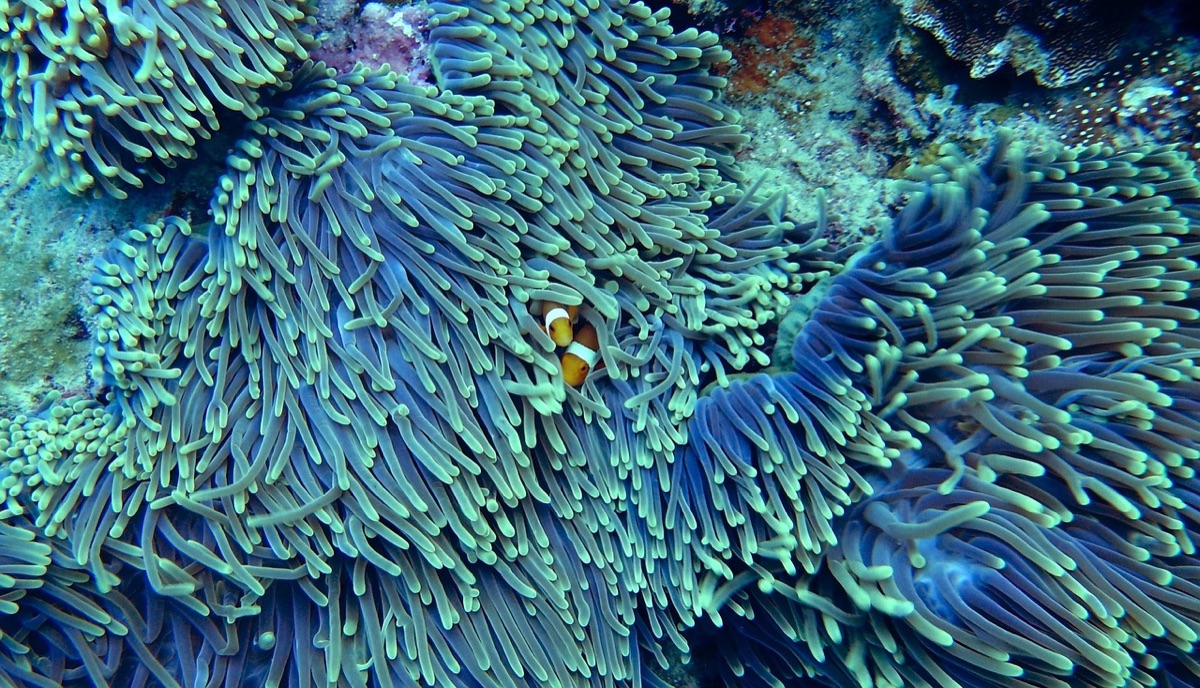
What drives Palau's environmental spirit? The sun hits the turquoise water of Koror harbor, reflecting a brightness that feels almost otherworldly. I remember standing on the deck of a small boat at 9:00 AM, looking at the vast expanse of the Rock Islands, realizing that this beauty isn't an accident—it is a managed masterpiece.
In Palau, environmental protection is not a modern trend; it is a historical mission. While many nations treat conservation as a policy response to crisis, Palau has long operated under a philosophy of deep-seated respect for the natural world.
This commitment was formalized on a global stage when, in 2005, Palau led the Micronesia Challenge. This initiative aimed to conserve 30% of near-shore coastal waters and 20% of forest land among participating countries by 2020.
This isn't just about setting aside land; it is about a national identity built on the survival of the islands. The country has a history of proactive leadership, often setting the pace for maritime protection in the Pacific.
By protecting vast portions of its water resources, Palau ensures that the biological diversity that draws visitors from around the world remains intact. This deep investment in marine preservation is why the waters remain some of the most pristine on the planet.
But how does a visitor actually navigate these high standards without causing accidental harm?
Why do the rules feel so different from home?
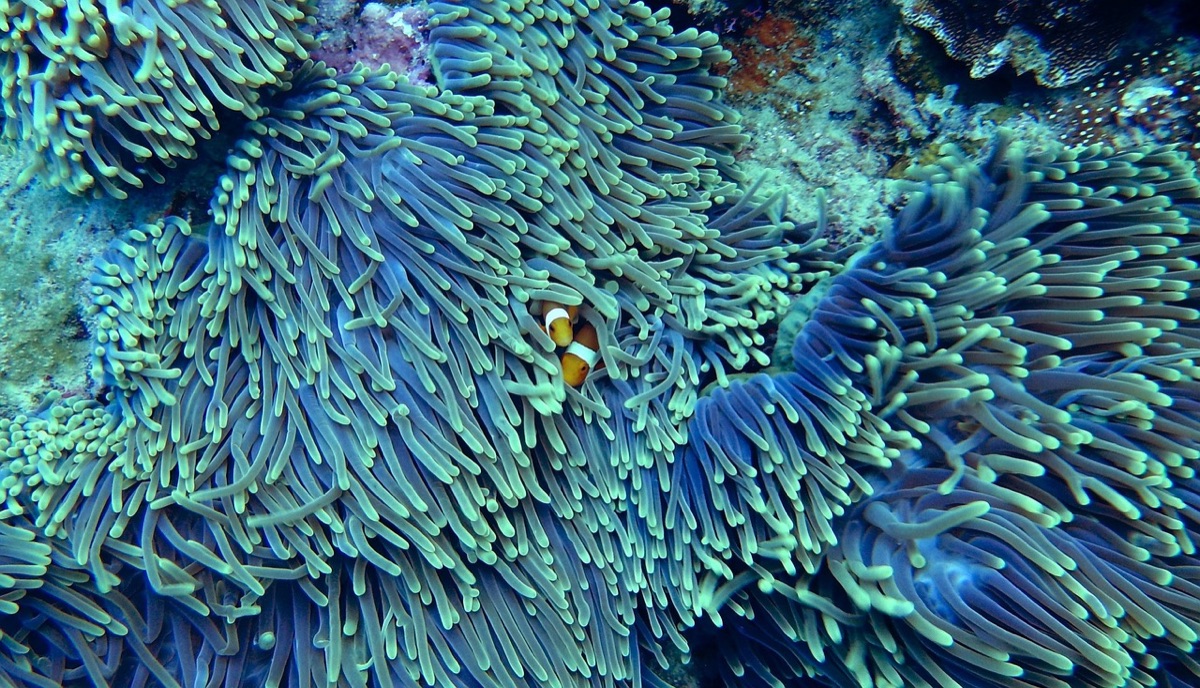
Walking through a local market in Koror at midday, you might see various items for sale, but you won't see anyone collecting coral or shells to take home.
A traveler might expect a souvenir to be something tangible from the beach, but in Palau, the best souvenir is a healthy reef left exactly as you found it.
If you are planning a trip, you must prepare for specific, actionable rules that differ from your home shores. For example, reef-safe sunscreen is not a suggestion; it is a requirement to prevent chemical damage to the delicate coral structures.
You will also encounter "no-take" zones where fishing or harvesting is strictly prohibited to allow fish populations to recover.
Understanding the difference between general visitor expectations and local mandates is key. While you might be used to grabbing a shell on a walk, doing so in a marine protected area (MPA) can result in significant trouble.
Additionally, environmental fees or levies are often integrated into your travel costs. These funds are not just administrative costs; they are direct contributions to the maintenance of the marine sanctuaries you are visiting.
Respecting these designated zones is the only way to ensure that the "Blue Corner" or the "Jellyfish Lake" remains vibrant for the next generation. However, following the rules is only the first step in a much larger global responsibility.
How does Palau lead the world in sustainability? The wind picks up as a boat cuts through the wake of a passing vessel, leaving a white trail against the deep blue. It is a reminder of how small we are in this vast ocean, yet how much our presence matters.
Palau's stance on environmental issues extends far beyond its own shores. The nation has taken a proactive role in global environmental discussions, recognizing that rising sea levels and changing ocean temperatures affect small island nations first.
In 2015, Palau became a member of the Climate Vulnerable Forum, highlighting its position as a nation on the front lines of climate change.
While the country's physical footprint is small, its diplomatic and environmental impact is massive. The commitment to sustainable practices is woven into the national fabric, including efforts toward renewable energy.
While the World Bank reports that Palau recorded a renewable energy share of final consumption of 0.9% in 2022, the nation continues to navigate the transition toward a more sustainable energy future.
This global-scale thinking, combined with local resource management, creates a unique shield for the islands' biodiversity. But how do you prepare your own gear to match this level of care?

How should you pack for a responsible journey?
Packing a suitcase for Palau requires more than just swimsuits and flip-flops; it requires a mindset of preparation.
I remember checking my gear list at a small desk in my hotel room, realizing that my choice of equipment—from reef-safe lotions to reusable water bottles—was just as important as my diving certifications.
When booking your tours or diving expeditions, look for operators that demonstrate a clear commitment to sustainable practices. Not all companies are created equal; choose those that prioritize environmental education and follow strict non-interference protocols with marine life.
| Travel Type | Focus Area | Key Tip |
|---|---|---|
| Diver | Underwater Ecosystems | Always check local depth and current advisories before a dive. |
| Snorkeler | Surface Interaction | Maintain buoyancy to avoid touching or kicking the reef. |
| Cultural Traveler | Local Traditions | Respect traditional gathering places and local customs. |
To ensure you are traveling correctly, follow this checklist:
- Verify Sunscreen: Check that your sunscreen is 100% oxybenzone-free and mineral-based.
- Audit Gear: Ensure all diving equipment is well-maintained to prevent leaks or debris.
- Select Operators: Prioritize companies that participate in local conservation programs.
- Pack Reusables: Bring high-quality water bottles and reusable bags to minimize plastic waste.
- Consult Guides: Always ask your local guide about the specific boundaries of the area you are entering.
If you are looking for deep immersion, work closely with local guides. They act as the essential bridge between the visitor and the local culture, explaining not just *what* the rules are, but *why* they exist.
For those seeking surface-level enjoyment, such as kayaking or SUP, remember that your presence in the water should be as non-intrusive as possible. But there is a complex tension between these rules and the economy that supports them.
The interplay of culture, economy, and conservation
In the late afternoon, the shadows of the palm trees stretch long across the sand, and the village life begins to settle. It is a quiet moment that reflects the balance the people of Palau strive to maintain.
Under the terms of the Compact of Free Association with the United States, Palau will receive more than $450 million in assistance over 15 years, $30 million per year, and is eligible to participate in more than 40 federal programs.
According to World Bank data, Palau recorded international tourist arrivals of 18,400 in 2020.
The relationship between conservation and the economy is a delicate balance. In Palau, ecotourism is not just a luxury industry; it is the economic engine that depends entirely on the health of the environment. If the reefs die, the tourism disappears.
This reality drives the necessity of the strict environmental codes. Economic stability is also supported by international partnerships.
For example, under the terms of the Compact of Free Association with the United States, Palau receives significant assistance, including over $450 million over 15 years ($30 million per year), which helps support various national programs.
These resources, alongside local revenue, help fund the infrastructure needed to manage a modern tourism industry while protecting traditional ways of life.
Respecting local customs—such as understanding the significance of traditional gathering places—is vital to maintaining this harmony between the modern economy and ancestral heritage.
It is important to note that while these guidelines are comprehensive, they are not a substitute for active, mindful engagement. Some remote areas may have even stricter local protocols that are not widely publicized, and travelers should always defer to local authorities on the ground.
#





Comments 0