9-a-Side Play Defines Palau National Team's Tough Journey
"In the heat of the Pacific, the beautiful game finds a different rhythm."
While you might come to Palau for the world-class diving in Blue Corner or the serenity of the Rock Islands, there is a growing pulse of energy on the land that rivals the excitement of the reef.
Key Takeaways * The national team has carved a niche through regional participation in events like the Micronesia Games. * Competitive play often involves non-standard formats, such as 9-a-side matches and specific pitch dimensions.
* The team's development is deeply tied to the unique geographic and economic context of the archipelago.

How did Palau football rise to prominence? A group of young players stands in a circle under the humid afternoon sun, stretching before a practice session in Koror. The air is thick, and the sound of the nearby ocean provides a constant backdrop to the rhythmic tapping of cleats on the ground.
The journey of the Palau national football team is one of gradual emergence in the Pacific sports landscape. Unlike nations with massive professional leagues, Palau’s football identity is built on community passion and the desire to represent the archipelago on the international stage.
The team has focused on building a foundation through regional engagement, aiming to bridge the gap between local club play and organized international competition.
This commitment to growing the sport involves structured training and a focus on developing talent that can compete against larger neighbors.
While the team is still in its formative years of international presence, the dedication to building a cohesive squad is evident in how they approach regional tournaments. But building a team from scratch in an island nation presents hurdles that go far beyond simple practice drills.
The Playing Arena: Why are the rules so different?
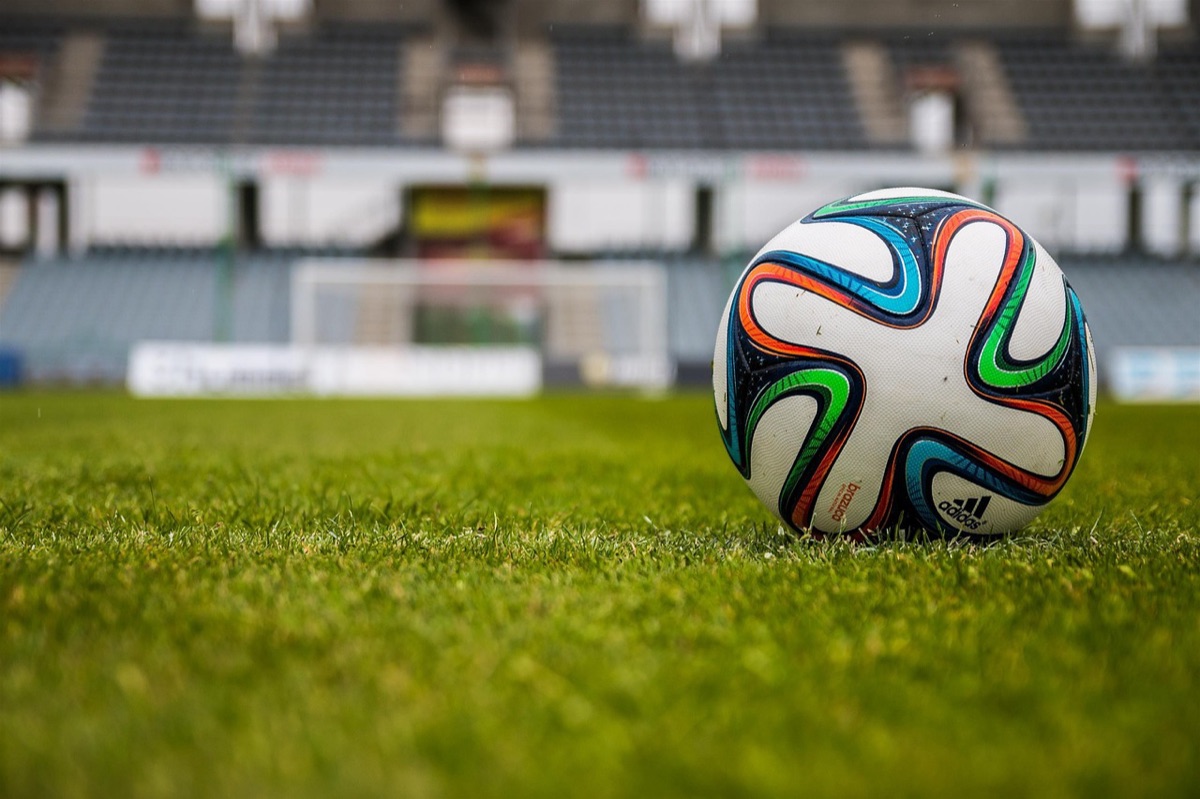
The heat rises off the pitch in shimmering waves, making the grass look almost liquid under the midday sun. A player wipes sweat from their forehead, looking down at a pitch that feels much tighter than the professional stadiums seen on television.
Playing football in Palau presents unique technical challenges that differ significantly from the standard FIFA-regulated environments found in Europe or South America. In various regional competitions, the team has had to adapt to non-traditional match structures.
For instance, in certain tournaments, teams competed in a 9-a-side format rather than the standard 11-a-side. Furthermore, matches were sometimes played with an 80-minute duration on pitches that were below regulation size.
These conditions require a specific type of tactical flexibility. Players must be comfortable with faster-paced, tighter-space play and must maintain high levels of cardiovascular fitness to handle the modified match lengths.
Adapting to these varying pitch dimensions and player counts is a core part of the team's competitive experience.
However, adapting to the pitch is only half the battle; the real test comes when the team faces neighbors with much larger talent pools.
How has Palau performed in the Micronesia Games? A whistle blows, signaling the start of a high-stakes match during a regional gathering. The tension in the stands is palpable as local supporters cheer for their home team during a crucial moment in the game.
The Micronesia Games have served as a vital arena for the Palau national team to test its mettle. These games provide a platform for Pacific nations to compete at a high level, fostering regional rivalry and athletic growth.
For Palau, these tournaments have been instrumental in providing much-needed competitive experience against neighboring island nations. The team's participation in these games has been a cornerstone of their development.
While the results vary, the exposure to organized tournament structures helps the squad understand the level of play required to succeed in the broader Oceania region.
These events are not just about winning medals; they are about building the experience necessary to eventually compete in larger continental qualifiers. But how does a small island nation balance these athletic ambitions with its unique national identity?
Palau's Sporting Context: Beyond the Pitch
The scent of rain lingers in the air as the sun begins to set over the lush, green landscape. A local community leader speaks about the importance of preserving the land, much like the athletes speak of the pride of representing their home.
Palau’s sporting identity is inseparable from its national identity, which is deeply rooted in environmental stewardship.
The country has a long history of making bold moves to protect its natural heritage, such as when it officially protected 80% of its water resources, becoming the first country to do so.
This dedication to the environment is a point of national pride that extends to how the country manages its natural resources and its role in the global community. This sense of responsibility and pride translates into the sporting arena.
Athletes do not just play for themselves; they play as ambassadors for a nation that values its unique place in the world.
The discipline required to maintain such significant environmental protections reflects a national character that values long-term commitment and resilience—traits that are essential for any developing national sports team.
Yet, the ability to sustain this growth depends heavily on the economic realities of the islands.
Global Footprint: What does the data show?
A traveler sits in a small café in Koror, looking over a map of the Pacific islands. They note the small size of the nation but recognize the significant influence its unique culture and environment have on the global stage.
To understand the context of Palau's sports development, one must look at its broader global and economic profile. Palau is a small nation with a distinct international presence. In 2020, the country recorded 18,400 international tourist arrivals, according to World Bank data.
This level of tourism is a vital part of the economy, supporting the infrastructure that also supports local sports and community life. The economic landscape also plays a role in how much can be invested in national programs.
According to World Bank data, Palau recorded a GDP per capita of US$19,532 in 2025.
These figures provide a snapshot of a nation that, while small in population, maintains a significant economic standing per capita, which helps in funding the essential services and athletic programs that allow the national team to exist and grow.
| Feature | Standard Professional Pitch | Palau/Regional Competition Context |
|---|---|---|
| Player Count | 11-a-side | Often 9-a-side in specific tournaments |
| Match Duration | 90 minutes | Often 80 minutes |
| Pitch Size | Full Regulation | Often below regulation size |
| Primary Focus | Professional Leagues | Regional/Developmental Growth |
How to follow the team's journey
If you find yourself in the Palau archipelago and want to experience the local passion for the game, follow these steps:
- Visit the Koror district during the weekend to find local community matches.
- Check the local community boards for schedules of the Micronesia Games or regional qualifiers.
- Carry enough water and sun protection, as matches are often played in high heat and humidity.
- Respect the local environment by following the national stewardship guidelines while traveling between islands.
When I was walking through the markets in Koror last year, I noticed how much energy people had for local sports discussions. It wasn't just about professional leagues; it was about the pride of the local club.
It is important to note that while the team's growth is steady, the lack of professional-grade facilities and the small population base mean that progress is often incremental rather than explosive. The focus remains on regional participation rather than global dominance.

Comments 0