Blue Corner Diving: Match Your Skill to the Site's Demands
"The current doesn't care about your certification, but your preparation determines whether you dance with sharks or struggle to stay upright."
If you are heading to Palau, you aren't just going for a swim; you are going to face one of the most legendary dive sites in the Pacific. Blue Corner is a masterpiece of marine life, but it is also a high-energy environment that demands respect.
* The Goal: Match your current certification level to the specific demands of Blue Corner to ensure a safe, exhilarating dive. * Skill Level Advice: Beginners need tight buddy systems and perfect buoyancy; advanced divers must master current management and precise depth control. * The Mindset: Never underestimate the surge; always prioritize your gas management and positioning over the "must-see" fish.
Are You Ready for Blue Corner?
The morning sun hits the deck of the dive boat in Koror at 7:30 AM, and the smell of salt air mixes with the sound of heavy gear being loaded. You look at the churning blue water in the distance and realize that today isn't a casual reef stroll.
Blue Corner is a pinnacle that drops into the deep blue, creating a constant, powerful current that sweeps divers across the reef. Unlike the calm, sheltered waters of the Rock Islands or the jellyfish lakes, this is an open-ocean environment.
In 2025, as travel to the Pacific surged, many divers arrived expecting a gentle drift, only to find a high-speed corridor of water.
You need more than just a piece of plastic in your wallet; you need mastery over your own body in moving water.
Most dive operators in Palau require at least an Advanced Open Water certification to attempt Blue Corner. While some may allow experienced Open Water divers under strict supervision, the sheer unpredictability of the current makes it a high-risk environment for those still struggling with buoyancy.
Before you even step off the boat, you must check your gear. A reel, a weight belt, and a secure way to hook into the reef are essential. Unlike a drift dive in a lake, you are navigating a three-dimensional highway of water.
If you are coming from a place of "just seeing the sights," you might find the transition from the colorful, shallow reefs to the sheer drop-offs of Blue Corner jarring. It is a transition from sightseeing to active navigation.
But knowing you are ready is only the first step; the real test begins once you hit the water.
Why Do Novices Struggle Most?
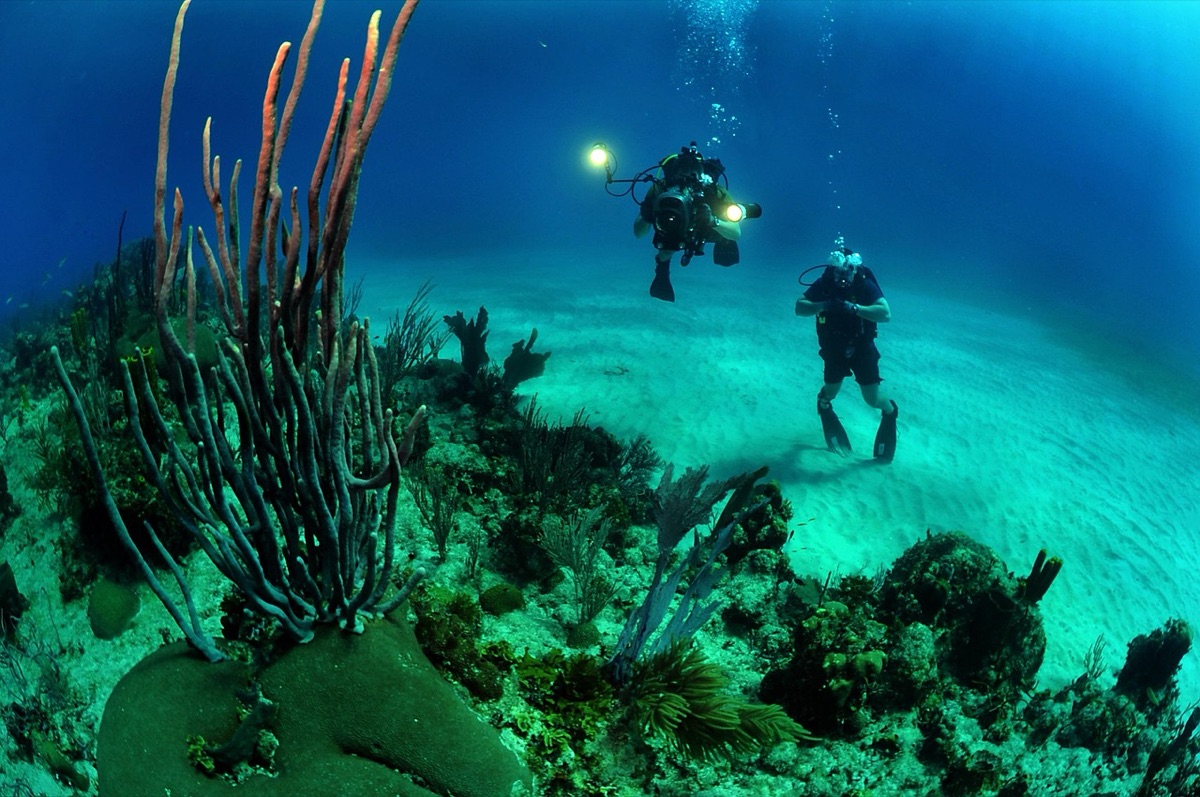
You sit on the edge of the boat in the mid-morning heat, adjusting your mask, feeling a mix of excitement and a slight knot in your stomach. Your buddy, a seasoned diver, gives you a reassuring thumbs-up, but you know the task ahead is different from your check-out dives.
For those at the entry-level of advanced diving, the focus must be on "the wall" and the reef edge. You should stay in the shallower, more protected areas of the corner where the current is slightly less aggressive.
In my own experience during a 2025 training trip, I noticed that novices often panic when the water begins to push them sideways, losing all sense of horizontal trim.
Depth profiles should stay within the 15 to 20-meter range to allow for better control and visibility of the reef structure.
Buddy pairing is non-negotiable here. You should never dive Blue Corner alone; your buddy should ideally have more experience in current-heavy environments. If you are a novice, your buddy should be the one setting the pace and managing the navigation.
The primary focus for a first-timer is buoyancy. In a current, you cannot easily fight to stay at a specific depth. If you lose control, you could be pushed into deeper water or smashed against the reef. Practice your trim—keeping your body horizontal—to minimize drag and conserve energy.
While a guided tour is the standard in Palau, "self-guided" at this site essentially means following your guide's lead. Do not attempt to wander off to find a specific fish; stay within the visual range of your group. However, as you gain confidence, you will face a different kind of challenge.
What is the Real Difference for Intermediate Divers?
The water is a deep, electric cobalt, and you can feel the rush of the current against your skin as you hover just above the reef. You aren't just swimming; you are positioning yourself within a moving landscape.
Intermediate divers often look for the "edge"—the transition where the reef drops into the abyss. At this level, you can explore more varied depth profiles, often moving between 20 and 30 meters to see how the marine life changes. This is where you transition from mere survival to true exploration.
The objective for an intermediate diver is mastering the "hook" or the "hold." While some sites allow for permanent mooring, you must learn to use your body or a secure, temporary hold to stay in position without damaging the coral.
This requires incredible core strength and precise finning techniques.
Navigation becomes a game of geometry. You need to know exactly where the reef ends and the blue begins. If you get caught in a surge, you must know how to turn and head back to the reef safely without losing your orientation.
Moving from "sightseeing" to "exploring" means looking for the subtle movements. It’s about recognizing that a sudden change in current might bring a school of jacks or a passing shark, and being able to react without losing your buoyancy.
But for those at the top of their game, the stakes are much higher.
How Do Experts Push the Limits?
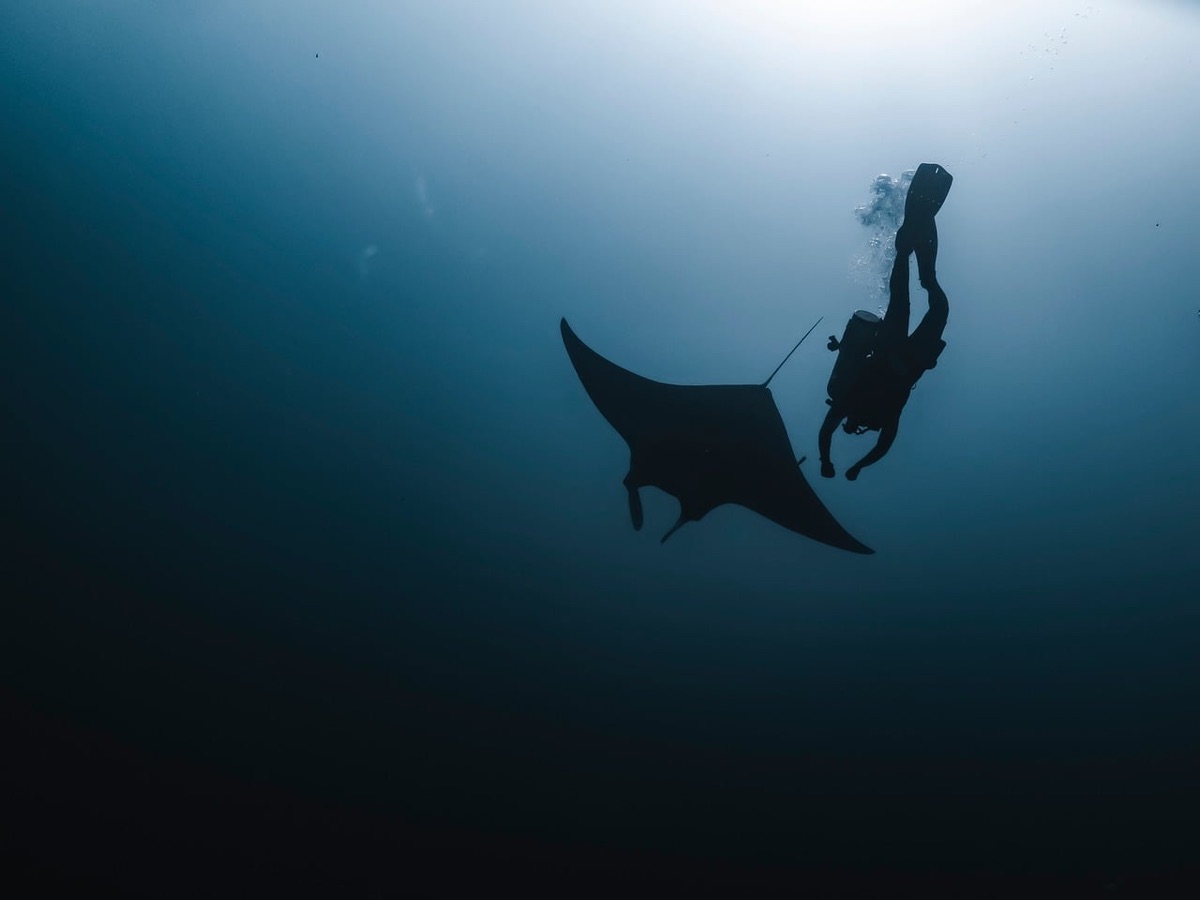
The current is a physical force, a heavy weight pushing against your chest as you descend into the darker blue. You check your computer; the depth is increasing, and the light from above is growing dim.
For expert divers, Blue Corner offers the chance to engage with deep-water profiles. This might involve deep dives that target specific large pelagics that frequent the deeper thermoclines. At these depths, the margin for error disappears.
In the high-intensity diving season of 2026, managing gas consumption in heavy currents has become the primary concern for veteran divers.
Technical considerations become paramount. If you are performing deep dives, you must be hyper-aware of nitrogen loading and your ascent rate.
In extreme cases of breath-hold diving—though not the focus of recreational scuba—historical methods involved using weights as much as 15 kilograms (33 lb) to facilitate rapid descents to depths of up to 30 meters (98 ft) for collection.
While you aren't collecting sponges, the lesson in weight management and descent control remains relevant.
Safety protocols for deep dives must be strictly followed. This includes meticulous gas management; you must ensure you have enough reserve to fight a current on the way back to the boat.
In competitive or highly technical environments, the incidence of adverse events can vary. For example, in certain depth-based competitions, the incidence of adverse events can range between 3% and 4% of dives.
While scuba is different, this statistic serves as a reminder that even controlled environments carry inherent risks that require constant vigilance. But regardless of your level, you need a plan to survive the transition from the boat to the blue.
How Do You Prepare for a Successful Dive?
The boat engine cuts out, leaving only the sound of splashing water and the distant calls of birds. You check your air, look at your buddy, and prepare to enter the water. This is the moment of truth.
Effective dive planning is the difference between a great memory and a dangerous situation. You must account for the time of day—currents often change with the tides—and the water temperature, which can drop as you move away from the reef.
In 2026, modern dive computers provide real-time tidal data, but you still need to interpret that information manually.
Mandatory safety protocols include a thorough pre-dive briefing. In Palau, environmental compliance is not a suggestion; it is the law. The Palau National Marine Sanctuary is one of the most strictly protected areas in the world.
Never touch the coral, never take anything from the ocean, and always use reef-safe sunblock.
To ensure you are ready, follow this pre-dive checklist:
- Verify Certification: Ensure your certification level matches the site's current intensity.
- Check Gear Integrity: Inspect regulators, BCD inflators, and weight belts for secure fit.
- Confirm Buddy Plan: Establish hand signals and a meeting point at the surface.
- Assess Gas Reserves: Calculate enough air to fight the current back to the boat.
- Review Environmental Rules: Confirm you have no prohibited items and are following sanctuary laws.
| Feature | Beginner/Novice | Intermediate/Advanced |
|---|---|---|
| Primary Focus | Buoyancy & Buddy Contact | Current Management & Navigation |
| Recommended Depth | 15–20 Meters | 20–30+ Meters |
| Key Skill | Staying Level (Trim) | Precise Positioning |
| Risk Level | Moderate (Controlled) | High (Dynamic) |
❓ FAQ
What is the absolute minimum required to dive here? While some shops may allow Open Water divers with high experience, an Advanced Open Water certification is the practical minimum to safely navigate the currents and depths of Blue Corner.
Is there a difference between a guided vs. self-guided dive? In Palau, almost all dives are guided by a professional boat crew. "Self-guided" usually refers to a group of divers following a guide's lead rather than a structured classroom setting.
At Blue Corner, you must follow the guide's instructions regarding current and positioning.
What is the best time of year/day to visit? The best time is generally during the transition seasons when visibility is highest and currents are manageable. However, since currents are tidal, the "best" time often depends on the specific tide cycle of your dive day.
A Note on Limits: This guide is intended for recreational divers. It does not cover technical diving (trimix/rebreather) or extreme freediving.
If you are not confident in your buoyancy or your ability to handle a current, do not attempt Blue Corner without a professional guide directing your every move.



Comments 0