Palau Pledge: Commit to Preserving Pristine Ocean Life
"I promise to leave your islands and much of your ocean as pristine as I found them."
Your visit to Palau isn't just a vacation; it's a voluntary commitment to preserving a living underwater masterpiece. By signing your passport, you aren't just checking a box—you are entering into a social contract with one of the most successful marine sanctuaries on Earth.
* The Palau Pledge is a formal commitment to sustainable travel, etched into your passport upon arrival. * Understanding local marine etiquette, such as reef sensitivity and zero-take policies, is essential for every visitor. * Choosing certified, eco-conscious operators ensures your presence supports rather than depletes the local ecosystem. * Small, individual actions—like using reef-safe sunscreen—collectively safeguard Palau’s unique biodiversity.
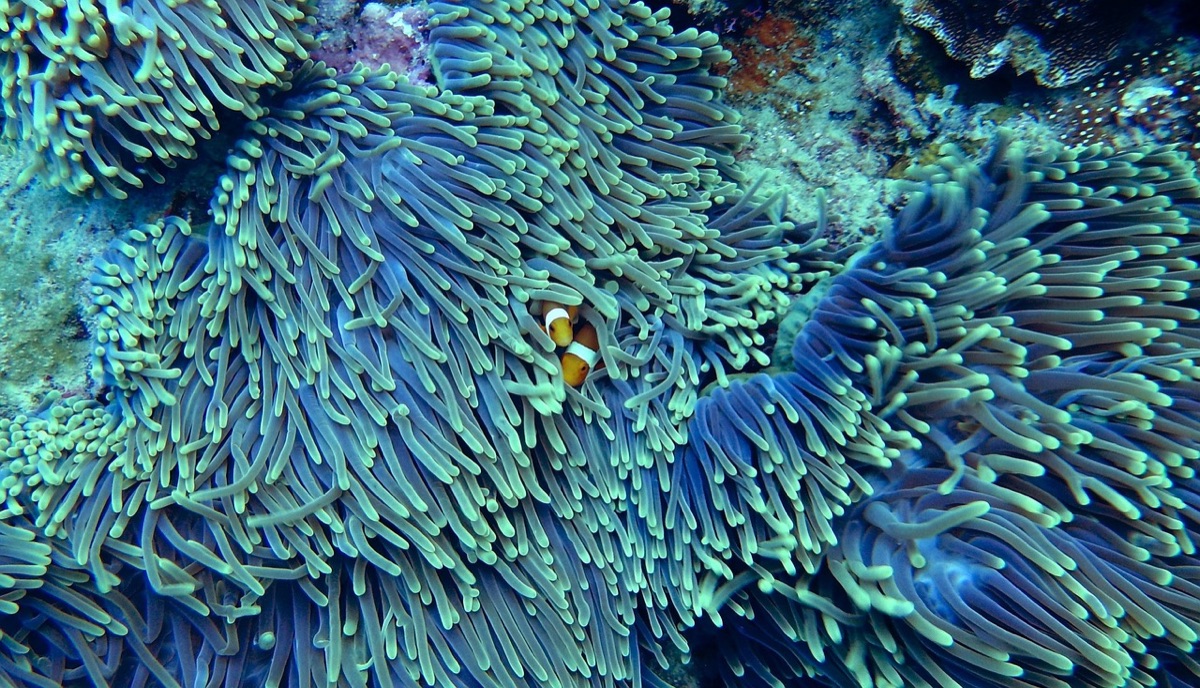
What Exactly is the Palau Pledge and Why Does It Matter?
The sun hit the wooden desk in the Koror airport terminal at 10:30 AM as I watched a traveler pause, pen in hand, looking at the empty space in their passport. It wasn't a standard customs form; it was a moment of quiet reflection.
In Palau, the transition from traveler to guest begins with a single sentence written in your passport.
This practice is rooted in a deep-seated cultural philosophy of stewardship. In Palauan culture, the concept of the *Bai* (traditional meeting houses) and the communal responsibility to the land and sea have existed long before modern environmentalism.
The Pledge translates this ancient respect into a modern travel framework. It is a promise to protect the islands and the ocean so that they remain as pristine as they were found.
While the Pledge is a voluntary gesture of respect, it carries significant weight. Palau was one of the first nations to create a large-scale marine sanctuary, and the Pledge serves as the moral backbone of that effort.
It isn't just about following laws; it is about acknowledging that you are a guest in a delicate, living museum.
When you take the pledge, you are agreeing to follow strict marine park regulations and a strict zero-take policy—meaning nothing, not even a single shell or a piece of dead coral, leaves the water in your pocket.
To formally take the pledge, you simply write the required statement in your passport during the immigration process. It is a small act that sets the tone for your entire journey through the archipelago.
But how does a written sentence translate to the actual water you will be swimming in?

Navigating Palau: Pledge vs. Practice (For All Travelers)
A group of snorkelers drifted over a patch of vibrant cauliflower coral at 2:00 PM, their fins kicking rhythmically near the reef edge. One traveler reached out to touch a passing fish, only to be gently corrected by their guide.
In that moment, the abstract concept of the Pledge became a physical reality.
For non-divers, the Pledge translates into specific snorkeling etiquette. Because you are often in shallower water, you are closer to the reef. Maintaining excellent buoyancy is critical; you must avoid kicking the seabed or touching the coral, which can kill delicate polyps instantly.
Always use designated swimming areas and follow your guide's instructions regarding current and depth.
Divers face a different set of responsibilities. In the deep blue, the risk is often related to uncontrolled movement or improper interaction with large pelagics. Advanced buoyancy control is non-negotiable to prevent accidental contact with reef structures during descent or ascent.
Furthermore, divers must respect the behavior of marine life; chasing a shark or trying to corral a turtle is a direct violation of the spirit of the Pledge.
Environmental compliance extends to what you carry. Palau has strict regulations regarding sunscreen. Only "reef-safe" sunscreens that do not contain oxybenzone or octinoxate are permitted. Using traditional chemical sunscreens can cause bleaching in the very reefs you came to see.
Most professional tour operators integrate these requirements into their standard operating procedures, often providing reef-safe alternatives or briefing guests on the necessity of these products before hitting the water.
However, following the rules in the water is only half the battle; you also have to manage your footprint on land.
Beyond the Pledge: Essential Eco-Etiquette in Palau
The water in Jellyfish Lake was so clear it felt like floating in liquid glass at sunrise, but the sheer number of golden jellyfish required a careful, slow approach. Every movement had to be intentional to avoid disturbing the delicate balance of the lagoon.
When interacting with marine life, the golden rule is observation without interference. For sensitive species like manta rays, maintaining a respectful distance is vital. Do not attempt to swim directly toward them or block their path; let them come to you.
In sensitive ecosystems like Jellyfish Lake, following the specific protocols of the local guides is mandatory to prevent the spread of invasive species or damage to the jellyfish populations.
Respecting local culture is also a part of the Pledge. Many areas in Palau are subject to traditional fishing rights or are part of protected zones managed by local communities. Always check with your operator regarding boundaries.
Some areas may be off-limits to tourists to allow for natural regeneration or to respect traditional fishing grounds.
When selecting accommodations, look for eco-conscious resorts that prioritize water conservation and waste management. Many high-end lodges in the Palauan archipelago operate on solar power or have advanced filtration systems to minimize their footprint.
Choosing these establishments ensures your money supports the infrastructure of conservation.
But how do you actually plan a trip that respects these boundaries without sacrificing the experience?
Planning Your Low-Impact Journey: Logistics & Booking
I sat in a small cafe in Koror in the late afternoon, looking over a printed itinerary. The choice was between a high-speed, large-group boat tour and a smaller, more expensive private charter that promised a more intimate and low-impact experience.
Choosing the right operator is the most practical way to honor your commitment. Small-group tours are generally preferred because they limit the number of people in sensitive areas at any one time. When booking, ask about the operator's environmental credentials.
Do they participate in reef cleanups? Do they follow strict no-touch policies? Do they use eco-friendly boats?
Your itinerary should also reflect your ability to practice the Pledge. If you are a novice snorkeler, don't book a high-energy boat tour that requires constant swimming in heavy currents.
Matching your activity level to the environment prevents accidents and ensures you aren't putting undue stress on the marine life through frantic movements.
Timing also plays a role. While peak seasons offer the best visibility, they also bring the highest density of travelers. If your schedule allows, visiting during the shoulder seasons can reduce the immediate pressure on local resources.
Be aware that certain fees, such as the Palau National Marine Sanctuary fee, are often included in your tour pricing. These funds are essential for the ongoing protection of the waters you are exploring.
| Traveler Type | Primary Focus | Key Pledge Action |
|---|---|---|
| Diver | Deep-water ecosystems & Pelagics | Master buoyancy & respect dive site boundaries |
| Snorkeler | Shallow reefs & Lagoons | Avoid contact with coral & use reef-safe sunscreen |
| Eco-Tourist | Cultural & Land-based sites | Respect local customs & minimize plastic waste |
While these strategies work for most, travelers should note that extreme weather or sudden changes in marine health can sometimes necessitate temporary closures of certain sites. In these cases, following local government advisories is the highest form of Pledge compliance.
How to Prepare: A Step-by-Step Checklist
To ensure you are ready for your arrival in 2026, follow this preparation guide to align your travel habits with Palauan values.
- Audit your gear: Check your sunscreen labels. If you see oxybenzone or octinoxate, replace them with mineral-based, reef-safe alternatives before you leave home.
- Review your physical readiness: If you are booking a boat tour through Koror, ensure your swimming ability matches the current levels of your chosen destination.
- s3. Prepare your documentation: Ensure your passport is ready for the immigration officer, as you will be writing your commitment directly into the pages.
- Research your operator: Before booking, send an email asking about their specific waste management and reef protection protocols.
- Pack light and plastic-free: Bring a high-quality reusable water bottle to minimize single-use plastic consumption during your island hops.
Quick Reference: Top 3 Things to Remember Before You Go
* The "No-Take" Rule: Never take shells, sand, coral, or any biological material from the water. If you didn't bring it with you, leave it where it is. * Reef-Safe Only: Ensure all sunscreens in your bag are oxybenzone-free. Check your labels before you arrive in Koror. * Respect the Distance: Whether you are on a boat or in the water, maintain a respectful distance from all marine life. Do not chase, touch, or feed them.
#





Comments 0