Palau Snorkeling: See Marine Life Without Needing Scuba Gear
"The ocean doesn't require a tank to reveal its secrets; sometimes, all you need is a mask and a clear horizon."
If you are looking at flight prices to Koror and wondering if you'll regret not being a certified diver, let me settle that right now: you won't. While the deep drop-offs of Blue Corner are legendary, Palau’s shallow reefs and unique marine lakes offer a world of color that is just as breathtaking.
* Palau’s marine biodiversity is world-class and highly visible from the surface. * Specific locations like Jellyfish Lake are designed for surface-level exploration. * Guided boat tours are the safest way to access the best reefs without scuba gear. * Respecting the Palau Pledge is mandatory for every visitor to protect these waters.
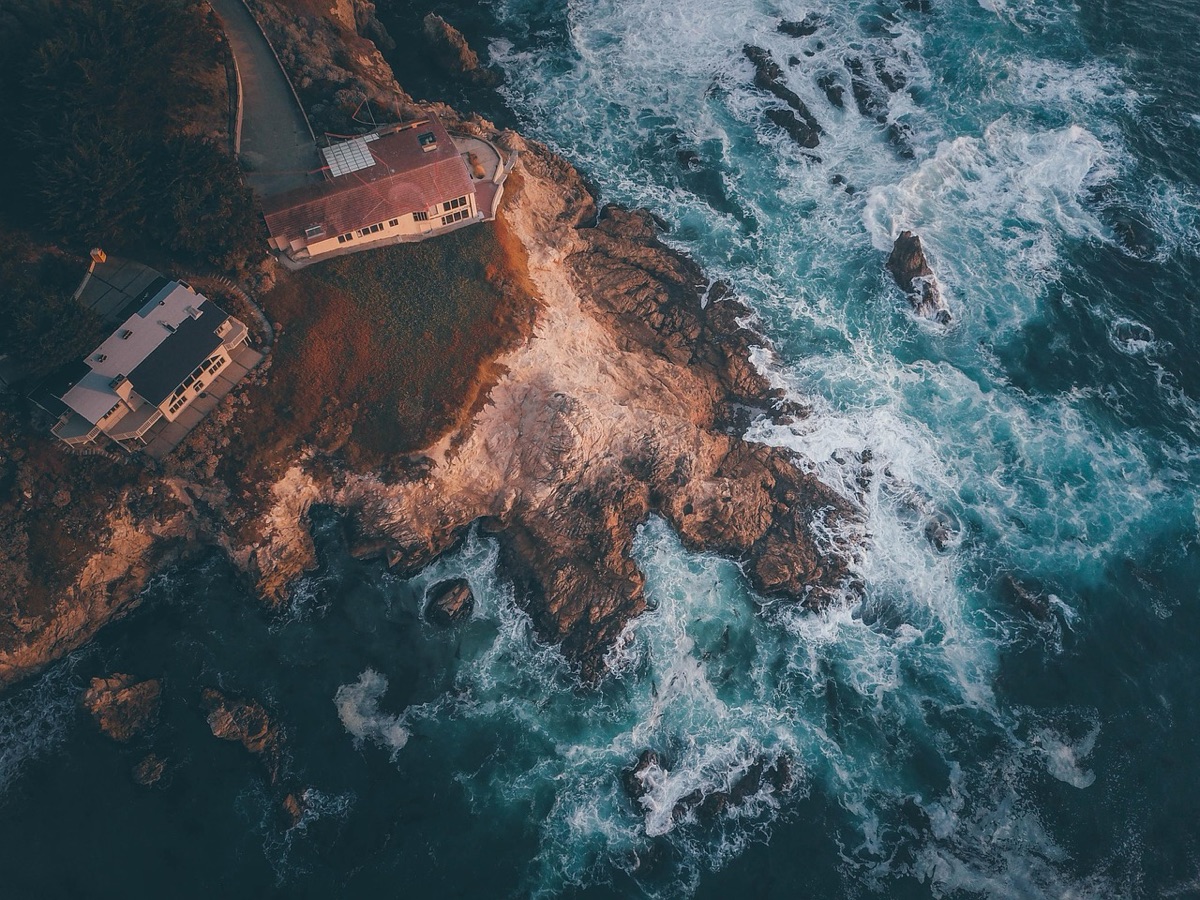
Why Snorkel Palau? Beyond the Dive Site
The sun hits the water at 10:00 AM, turning the turquoise surface into a shimmering sheet of glass as you float effortlessly above a vibrant coral garden. You aren't breathing through a regulator; you are just breathing the salt air, looking down at a kaleidoscope of life.
Many travelers assume that because Palau is a "diver's paradise," the non-divers are relegated to sitting on a boat deck. This is a misconception. While divers head to the deep channels to hunt for sharks and large pelagics, snorkelers have access to a different, often more intimate, kind of magic.
In the shallows, you aren't looking for shadows in the blue; you are looking at the intricate architecture of the reef itself. You see the tiny nudibranchs, the swaying anemones, and the schools of colorful reef fish that stay close to the coral.
For many, the clarity of the water in Palau makes snorkeling a superior way to see the reef because you aren't fighting buoyancy or heavy gear—you are simply part of the scenery.
Because much of Palau is part of a massive Marine Sanctuary, the health of these shallow ecosystems is often even more robust than in other tropical destinations. This protection ensures that even without descending 60 feet, you are witnessing a pristine environment.
If you are wondering if the trip is worth it without a certification, the answer lies in the sheer density of life just a few feet below your mask.

Where are the best snorkeling spots if I'm not a diver? A small wooden boat cuts through the wake of the Rock Islands, the engine cuts to a low hum, and the captain points toward a cluster of limestone cliffs rising from the sea. You grab your mask, pull on your fins, and prepare to slip into the water.
The variety of environments in Palau means you can have a completely different experience every single day.
Jellyfish Lake This is perhaps the most iconic non-diving experience in the archipelago. Located within the Rock Islands Southern Lagoon, this marine lake is home to millions of golden jellyfish.
Because these jellyfish have lost their sting through evolution, swimming among them is a surreal, almost otherworldly experience. The water is calm, making it perfect for those who might be nervous about open ocean swells.
Reef Exploration While some reefs are too deep or surge-heavy for casual swimmers, many of the outer reef edges offer incredible visibility. In many areas, you can see for 30 to 50 feet through crystal-clear water.
You will encounter parrotfish, butterflyfish, and occasionally larger visitors like sea turtles that frequent the shallower reef slopes.
Kayaking and SUP Adventures The labyrinth of islands offers sheltered lagoons that are perfect for kayaking or Stand-Up Paddleboarding (SUP). This allows you to reach remote corners of the archipelago that larger boats might bypass.
It also gives you the freedom to stop and snorkel whenever you spot something interesting in the shallows.
| Feature | Boat-Based Snorkeling Tours | Kayak/SUP Adventures |
|---|---|---|
| Accessibility | High; reaches remote reefs easily | Medium; requires physical effort |
| Variety | Focuses on large reef systems | Focuses on lagoons and hidden coves |
| Cost | Typically higher due to fuel/crew | Lower; mostly self-guided or small group |
| Best For | Seeing large schools of fish | Quiet, intimate nature immersion |
How do I choose the perfect Palau snorkeling tour? You sit in a small cafe in Koror, looking at a stack of colorful brochures, trying to decide which operator to trust with your limited vacation time.
When planning your trip, you need to decide between a high-end liveaboard-style day trip or a local boutique tour. For non-divers, a dedicated day tour is often the best choice. These tours are designed to maximize time in the water while ensuring you are always within reach of the boat.
When selecting an operator, look for those that specialize in "day excursions." Some companies offer multi-day trips that include snorkeling, but these are often designed for divers.
If you aren't diving, you want a tour that includes various stops—like a mix of lagoon swimming and reef snorkeling—to keep the itinerary engaging.
Safety is the most critical factor. Even in calm waters, currents can be unpredictable. Always choose a licensed operator that provides life jackets and has a guide experienced in managing groups in open water.
If you are traveling with children or seniors, look for tours that specifically mention "shallow water" or "beginner-friendly" routes.

Navigating Palau's Marine Ecosystem Responsibly
You stand at the airport, holding a small, colorful booklet that you must sign before you even leave the terminal. It is a promise to the islands, and it is the first step in your journey.
Every visitor to Palau must adhere to the "Palau Pledge." This is a commitment you make to the children of Palau to protect their environment. It is not just a formality; it is a way of life here.
Environmental Etiquette * Never touch the coral: Even a light touch can kill the tiny polyps that build the reef. * Maintain distance from wildlife: If you see a sea turtle or a ray, observe from a distance. Do not chase or attempt to pet them.
* Use reef-safe sunscreen: Traditional sunscreens contain chemicals that cause coral bleaching. Only use mineral-based, reef-safe alternatives. * No collecting: Never take shells, sand, or pieces of coral as souvenirs.
Regarding local costs, you will encounter a variety of fees. There is often a local environmental fee or a visitor's tax included in your entry or tour pricing. It is always wise to clarify with your tour operator what is included in your booking to avoid surprises.
Protecting these waters is a collective responsibility, and your adherence to these rules ensures the beauty remains for the next generation.
Planning Your Ideal Palau Trip (The Logistics)
You lay out your gear on the hotel bed—the fins, the mask, the dry bag—and look at the calendar, calculating how many days you can stay in this tropical paradise.
To get the most out of your snorkeling adventure, you need to time your visit and your stay correctly.
Best Time to Visit The dry season, typically from November to April, offers the best visibility and calmer seas, which is ideal for snorkeling. However, the "wet" season can also be beautiful, often resulting in even clearer water due to less runoff, though you may encounter more rain.
Accommodation Base Most travelers base themselves in Koror, the main hub. Koror offers the most variety in terms of restaurants, shops, and tour departures.
If you prefer a more secluded experience, you might look for boutique resorts on nearby islands, though these often require more logistical planning to access.
Suggested 4-Day Itinerary for Non-Divers 1. Day 1: Arrival & Koror Exploration. Settle into your hotel, walk through town, and prepare your gear. 2. Day 2: The Rock Islands Adventure. A full-day boat tour including Jellyfish Lake and lagoon snorkeling. 3.
Day 3: Kayak & Lagoon Discovery. A more active day exploring the limestone labyrinths by paddle. 4. Day 4: Reef & Departure. A morning snorkel tour to a local reef before heading to the airport.
#




Comments 0