Palau Diving: See Marine Life Without a Scuba License
"The ocean doesn't require a certification to be beautiful."
If you are staring at a travel brochure of Palau’s turquoise waters and wondering if you’ll be left behind because you don't have a scuba license, the answer is a resounding no.
Key Takeaways * Certification vs. Surface: Scuba diving is for depth, but snorkeling and boat tours provide world-class views of the same reefs. * Diversified Activities: You can explore through kayaking, SUP, and guided lagoon tours without ever putting on a tank.
* Strategic Planning: Matching your physical ability to the right tour ensures you see the manta rays and jellyfish without feeling overwhelmed.
Is Scuba Diving Mandatory to See Palau’s Marine Life?
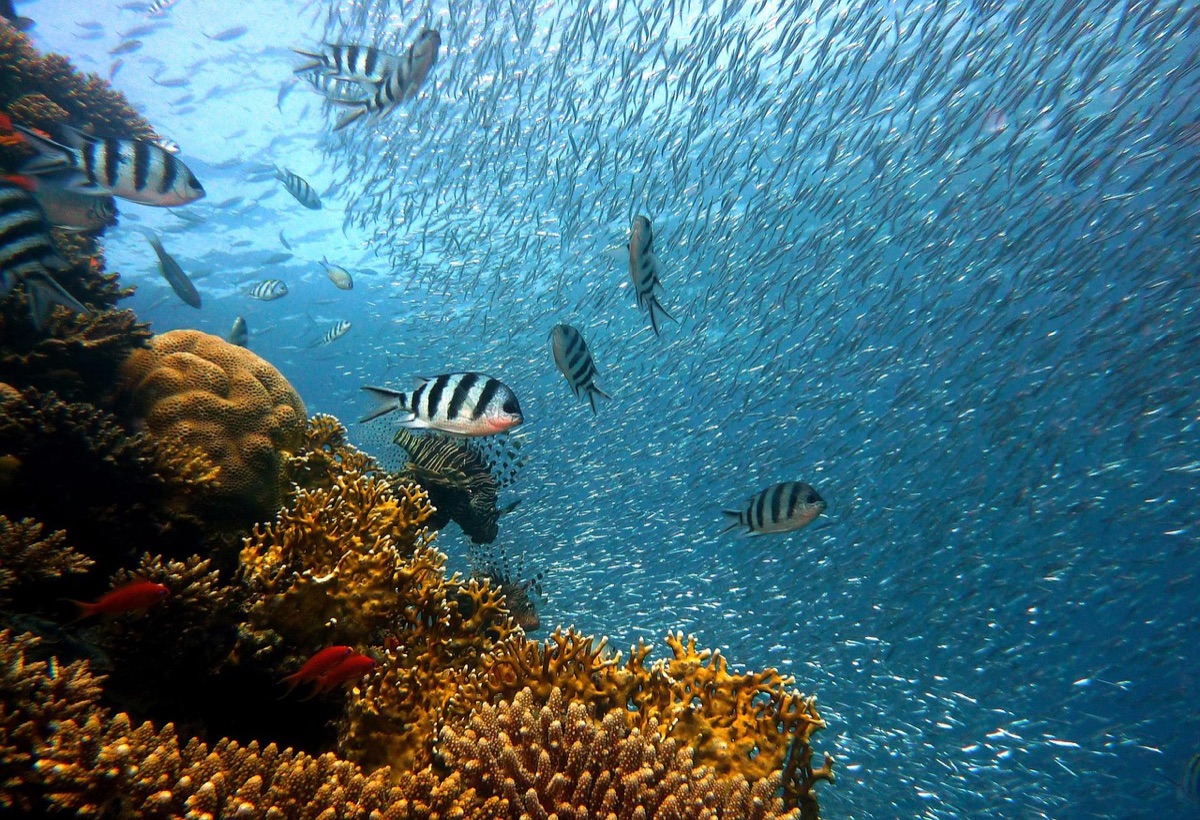
I remember sitting on the deck of a wooden boat in Koror at 9:00 AM, watching a group of divers struggle with heavy tanks while we sat in light gear, looking at a school of fusiliers that seemed to dance just inches below our masks.
The sun was already warm against my skin, and the water looked so clear it felt like the boat was hovering in mid-air.
It hit me then that the ocean is a multi-layered masterpiece, and you don't need to go to the bottom to see the best parts.
The question of whether you "need" a license depends entirely on your definition of exploration. In Palau, there is a clear spectrum of experience. High-intensity sites like Blue Corner or German Channel are designed for certified divers because they involve significant depth and strong currents.
In these areas, a license is a safety requirement, not just a suggestion.
However, the lagoon and the shallower reef systems are entirely different worlds. Many of the most famous spots in the Rock Islands are accessible through structured boat tours that focus on the shallows.
You can participate in a guided excursion that brings you directly over a vibrant coral garden where the visibility is crystal clear.
When deciding how to spend your time, you must match your activity level to the environment. If you want to hover in the blue and hunt for sharks, you need a license. If you want to drift over colorful coral heads and watch sea turtles glide by, a snorkel mask is all you need.
But knowing you can snorkel isn't enough; you have to know how to actually find the magic.
Beyond Scuba: How Non-Divers Can Experience Palau’s Underwater Wonders
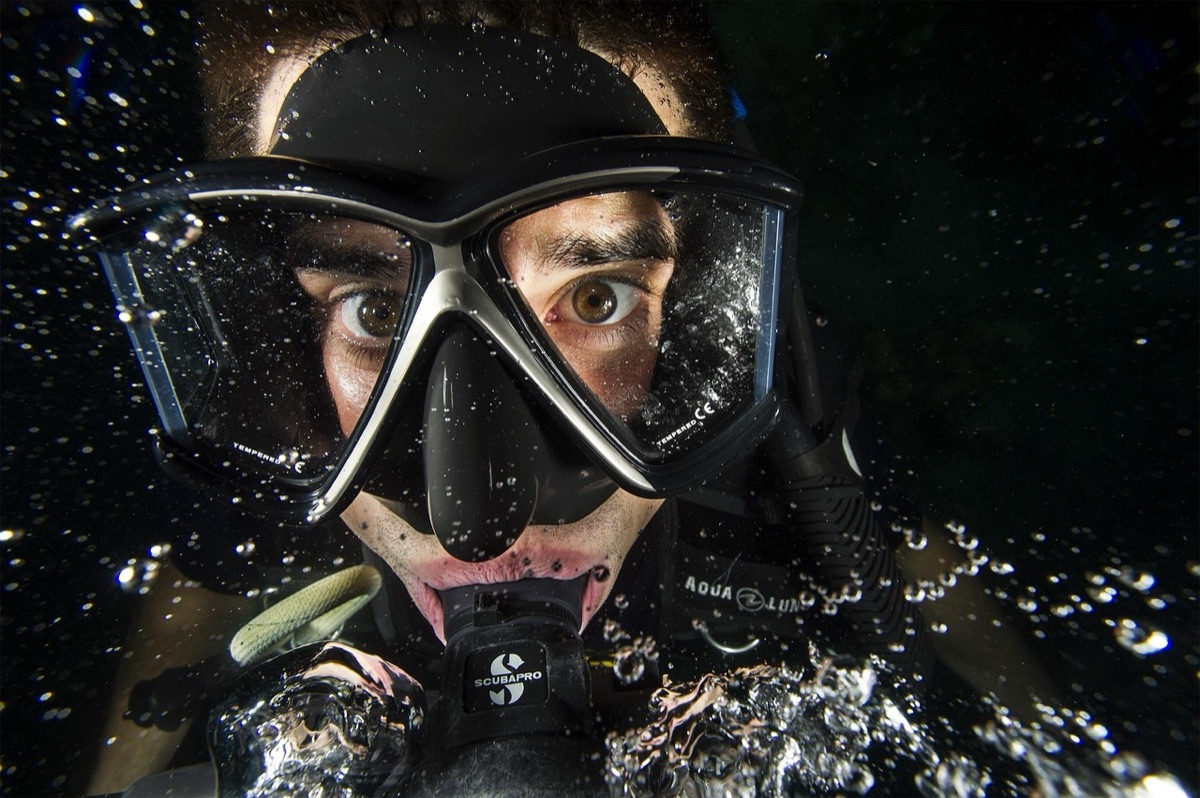
The sun hit the water at midday, turning the lagoon into a sheet of liquid sapphire as we drifted over a patch of reef. I wasn't wearing a single piece of heavy equipment, yet I felt like I was floating through an aquarium.
For those without a license, snorkeling is the primary gateway to Palau’s beauty. Specific locations, such as Jellyfish Lake, are legendary for their unique inhabitants and are perfect for surface-level exploration. In these spots, you aren't just looking at the water; you are part of the ecosystem.
Guided boat tours are the lifeline for non-divers. These tours are designed to navigate the complex geography of the archipelago, taking you to remote reefs that are too far to reach by swimming alone.
These captains know exactly where the visibility is best and where the marine life congregates near the surface.
If you want a more active but non-submerged experience, consider kayaking or Stand-Up Paddling (SUP). In the Rock Islands, you can paddle through narrow limestone channels and through mangrove forests.
This allows you to reach secluded bays and hidden lagoons that even some divers might miss, providing a perspective of the islands that is both intimate and grand. But even with the best boat, you need to know what you are looking for.
Navigating Palau’s Marine Ecosystems (The "What to See")
The limestone cliffs of the Rock Islands rise out of the water like ancient sentinels, casting long shadows over the bright turquoise shallows. In the early morning, the mist often clings to these cliffs, making the transition from air to water feel like entering another dimension.
Understanding what you will see helps in choosing the right tour. The Rock Islands are a UNESCO World Heritage site known for their dramatic karst topography and incredible biodiversity. In these areas, you will encounter vast coral formations that serve as the foundation for the entire ecosystem.
Marine life encounters vary by depth. While divers look for larger pelagic species in the deep blue, non-divers can still witness incredible spectacles. Manta rays often cruise through the channels, sometimes appearing at depths reachable by snorkelers during specific seasons.
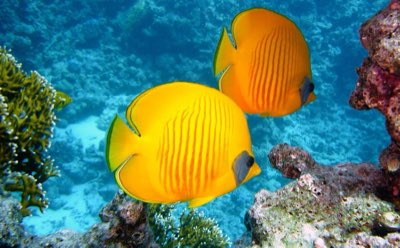
You can also see an abundance of reef sharks, sea turtles, and schools of tropical fish that move in synchronized clouds.
There is also a deep cultural connection to these waters. The Palauan people have a long history of living in harmony with the sea, respecting the boundaries of their marine sanctuaries.
This reverence is reflected in the way the islands are managed today, ensuring that the "blue economy" supports both the people and the environment. However, planning a trip to this delicate environment requires more than just a sense of wonder.
Planning Your Visit: Tours, Logistics, and Booking
I sat in a small cafe in Koror in the late afternoon, checking my itinerary against a local guide's hand-drawn map, realizing that timing was everything.
The humidity was thick, and the smell of fresh coffee mixed with the salty breeze as I realized how much coordination goes into a single day of exploration.
When planning, you should compare structured day tours against self-guided rentals. A structured tour is usually better for first-timers because it includes gear, lunch, and a professional guide who knows the currents.
Self-guided rentals (like kayaks) are excellent if you are an experienced paddler looking for solitude, but they require more logistical planning regarding food and water.
| Feature | Guided Boat Tour | Self-Guided (Kayak/SUP) |
|---|---|---|
| Ease of Use | High (All-inclusive) | Moderate (Requires physical effort) |
| Access | Remote reefs and far islands | Near-shore and lagoon areas |
| Cost | Higher (Includes guide/boat/gear) | Lower (Rental only) |
| Best For | Seeing maximum marine life | Adventure and solitude |
To make the most of your trip, follow this preparation checklist:
- Booking Timing: Book your tours in advance, especially during the peak season (December to May).
- Gear Requirements: Ensure your tour provides masks, snorkels, and fins, but bring your own if you have a preferred fit.
- Physical Readiness: Be honest about your swimming ability; some tours involve getting in and out of boats in choppy water.
- Environmental Responsibility: Do not bring chemical sunscreens that contain oxybenzone, as they damage the coral. Always follow the "look but don't touch" rule to protect the delicate marine life.
This high level of protection is why the water remains so clear and the fish so plentiful, making it a premier destination for both divers and snorkelers alike. But how does the local economy actually support this level of preservation?
Quick Facts: Palau’s Context
Understanding the scale of Palau helps put your travel decisions into perspective. According to the Compact of Free Association, Palau will receive more than $450 million in assistance over 15 years. According to the World Bank, Palau recorded a GDP per capita of US$19,532 in 2025.
While the islands are small, their impact is significant. In 2020, Palau recorded 18,400 international tourist arrivals, showing a resilient interest in its unique geography. The economy is deeply tied to its natural beauty, with a GDP per capita of US$19,532 as of 2025.
Because the economy relies so heavily on tourism, the standard of marine preservation is incredibly high. Visitors are expected to adhere to the Palau Pledge—a commitment made upon entry to protect the islands.
This high level of protection is why the water remains so clear and the fish so plentiful, making it a premier destination for both divers and snorkelers alike.




Comments 0