Palau Trip Planning: Budgeting Beyond Flights for Your Visit
"To visit Palau is to enter a living sanctuary where the price of admission is your commitment to preservation."
Planning a trip to one of the most remote and beautiful archipelagos in the Pacific requires more than just packing a swimsuit. You need to understand the unique economic and environmental landscape that makes this destination so special.
Key Takeaways: * Palau operates under strict environmental commitments, such as the protection of 80% of its water resources, which necessitates specific visitor protocols and fees.
* Budgeting must account for high-cost logistics, including flights, specialized dive gear, and local consumption taxes. * Whether you are a technical diver or a casual snorkeler, your itinerary should be built around the seasonal availability of marine life and local boat schedules.

Why is Palau Different? Understanding the Eco-Commitment & Fees
I remember standing on the deck of a small boat in Koror, looking out at the turquoise water, and realizing that the pristine clarity wasn't an accident—it was a choice.
Under the terms of the Compact of Free Association with the United States, Palau will receive more than $450 million in assistance over 15 years, $30 million per year, and is eligible to participate in more than 40 federal programs.
The sheer health of the reef felt intentional, a testament to a nation that treats its ocean as a sacred heritage rather than just a resource.
Palau’s identity is inseparable from its environment. In 2015, the country officially protected 80% of its water resources, becoming the first nation to take such a massive step in maritime conservation. This wasn't just a policy move; it was a survival strategy for an island nation.
This commitment to the "Micronesia Challenge" meant that by 2020, the goal was to conserve 30% of near-shore coastal waters and 20% of forest land.
When you pay your fees here, you aren't just paying for a permit; you are contributing to the maintenance of one of the world's most successful marine sanctuaries.
Visitors should be prepared for a specific tax structure and environmental requirements. While you will encounter a standard 10% broad-based tax on many goods and services, the "Pristine Paradise Ratification" (PPR) and other environmental levies are what fund the protection of these waters.
Understanding that your presence carries a responsibility to the local community and the ecosystem is the first step in successful travel here.
The transition from the high-level environmental philosophy to the actual cost of living is where most travelers begin to feel the weight of their itinerary.
Budgeting Beyond Flights: Local Costs & Dining Guide
Walking through the streets of Koror at midday, the heat is palpable, and the mix of local flavors and imported goods creates a unique economic atmosphere. You might find yourself choosing between a fresh local meal and a much pricleir imported steak, a choice that defines your daily budget.
When planning your spending, you must categorize costs into fixed and variable expenses. Accommodation in Koror offers a wide spectrum, from budget-friendly guesthouses to high-end resorts.
In contrast, staying in more remote areas or specialized diving resorts often comes with a higher price tag but provides much closer access to the reefs.
| Expense Category | Budget Traveler | Luxury/Diver Traveler |
|---|---|---|
| Accommodation | Local guesthouses/Hostels | High-end Resorts/PPR |
| Dining | Local markets & small cafes | Resort dining & imported goods |
| Daily Activity | Snorkeling & Kayaking | Scuba Diving & Private Charters |
| Transport | Walking/Local Taxis | Private Boat Charters/Rental |
Daily spending varies wildly based on your activity level. A budget traveler focusing on land-based exploration and snorkeling can manage with much less, but a diver will face significant variable costs. Dive certification fees, equipment rentals, and boat fuel are substantial.
In Palau, you aren't just paying for a seat on a boat; you are paying for the expertise of guides who navigate complex currents and the fuel required to reach remote outer islands.
Food and drink prices reflect the island's isolation. Much of the food is imported, so expect prices to be higher than in the continental United States. While you can find affordable local fare, tourist-focused establishments in Koror will reflect international pricing.
As you balance your budget, you must also decide how you will actually spend your time beneath the waves.
Planning Your Dive vs. Surface Swim Adventure
The sun hit the water at a sharp angle as we prepared to drop into the Blue Corner, the sheer visibility making the boat look like it was floating in mid-air. It was a moment of pure clarity: you realize that in Palau, the water is the destination, and every activity is a way to witness it.
For the diver, Palau is a bucket-list destination. High-energy sites like Blue Corner or the German Channel require specific skills and sometimes higher-level certifications.
Booking these dives often involves significant lead time and higher costs due to the specialized boats and equipment required.
For the non-diver, the experience is equally transformative. Snorkeling, kayaking through the Rock Islands, and Stand-Up Paddling (SUP) allow you to witness the same incredible biodiversity from the surface.
The cost of a guided snorkel tour is generally much lower than a dive charter, making it a viable option for families or those without certification.
When organizing your trip, consider these three paths: 1. The Technical Diver: Focus on deep-water sites, high-current channels, and advanced certification requirements. 2. The Casual Snorkeler: Prioritize lagoon-based tours, jellyfish lake excursions, and easy-access reef spots. 3.
The Hybrid Itinerary: A mix of both, alternating between heavy dive days and lighter surface-exploration days to manage fatigue and budget.
Choosing between a government-permitted tour and a private charter is a key decision. Government-permitted tours are often more cost-effective and structured, while private charters offer exclusivity and customized routes at a premium.
Deciding on your activity level is important, but you also need to know when to actually show up in the islands.

Navigating the Logistics: Flights, Getting There, and Timing
The airport terminal in Koror feels like a gateway to another world, a transition point between the modern logistics of international travel and the raw beauty of the Pacific. It is a reminder of how far you have come to reach this remote sanctuary.
According to World Bank data, Palau recorded international tourist arrivals of 18,400 in 2020.
Logistics in Palau can be challenging due to its remote location. In 2020, Palau recorded 18,400 international tourist arrivals, illustrating the niche but dedicated nature of its visitor base.
Because of the limited number of flights, booking well in advance is essential to secure reasonable prices and preferred schedules.
The timing of your visit is critical for both weather and marine life. Palau has a tropical rainforest climate, with an annual mean temperature of approximately 28 °C (82 °F). While the weather is generally warm, there are seasonal shifts that affect water temperature and current strength.
* High Season: Often aligns with the best visibility and specific migrations (like Manta Rays), but prices for flights and accommodation will peak. * Low Season: Offers lower prices and fewer crowds, but you may encounter more rain and different current conditions.
Always check your flight connections through hubs like Guam or Manila, as delays can impact your scheduled tours. Because you are traveling to a remote destination, having a buffer day upon arrival is highly recommended to acclimate to the tropical heat and humidity.
Once you arrive, you will need to prepare for the incredible biological diversity waiting just below the surface.
Deep Dive into Palau’s Marine Life (The Underwater Encyclopedia)
Gliding through the water, the sudden shadow of a Manta Ray passing overhead felt like witnessing a silent giant move through a dream. In that moment, the fragility of the ecosystem became a physical sensation, a reminder of why we are guests in this blue world.
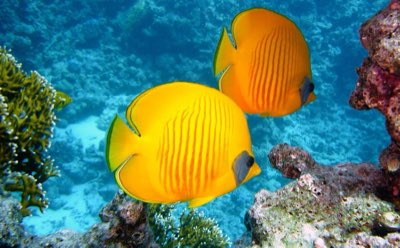
Palau is a global epicenter of marine biodiversity. The sheer variety of species, from microscopic colorful corals to massive Manta Rays, is staggering. This diversity is the reason for the strict protection laws in place.
When interacting with marine life, etiquette is everything. To "meet" a Manta Ray, you must understand their behavior—they often frequent specific cleaning stations or current-rich areas. Observing them requires patience and a non-intrusive approach.
Never touch the coral, as even a slight brush can damage the delicate structures that form the foundation of the reef.
The scale of protection in Palau is designed to keep this biodiversity intact. The leadership shown by the nation in protecting 80% of its waters ensures that the species you see today will still be there for the next generation of travelers.
The relationship between the visitor and the environment is a delicate balance of curiosity and respect.
#




Comments 0