What is the best way to snorkel instead of dive?
"The ocean is not just a place for deep divers, but a vast playground for those content with the surface."
Exploring a Palau snorkel no dive itinerary allows travelers to witness world-class marine life without needing advanced certification. This guide covers essential pass requirements, timing considerations, and surface-level activities like kayaking to maximize your island experience.
Key takeaways include understanding the Jellyfish Lake pass, managing tidal timing, and respecting protected marine ecosystems.
How to plan a Palau snorkel no dive trip?
As the sun rises over the pier, I grip my snorkel tightly while feeling the warm breeze against my skin.

A traveler stands on a wooden pier, peering into turquoise water where colorful fish dart between coral heads. Planning a Palau snorkel no dive adventure requires understanding that the surface offers just as much beauty as the depths.
You can witness incredible biodiversity simply by floating above the reef.
To start, you must secure the necessary permits to access protected areas. The Rock Islands/Jellyfish Lake pass is $100 and is valid for 5 days. This single pass allows you to explore several iconic locations without needing to dive deep.
Preparation is the first step toward a successful Palau snorkel tour. You should check local weather, as the average humidity is 82% and although rain falls more frequently between June and October, there is still much sunshine.
Packing high-quality surface gear ensures you stay comfortable while observing the reefs.
- Research the seasonal weather patterns to ensure calm water conditions.
- Book a boat tour that specializes in shallow-water reef exploration.
- Pack essential gear like high-quality masks and reef-safe sunscreen.
What is the best way to snorkel instead of dive?
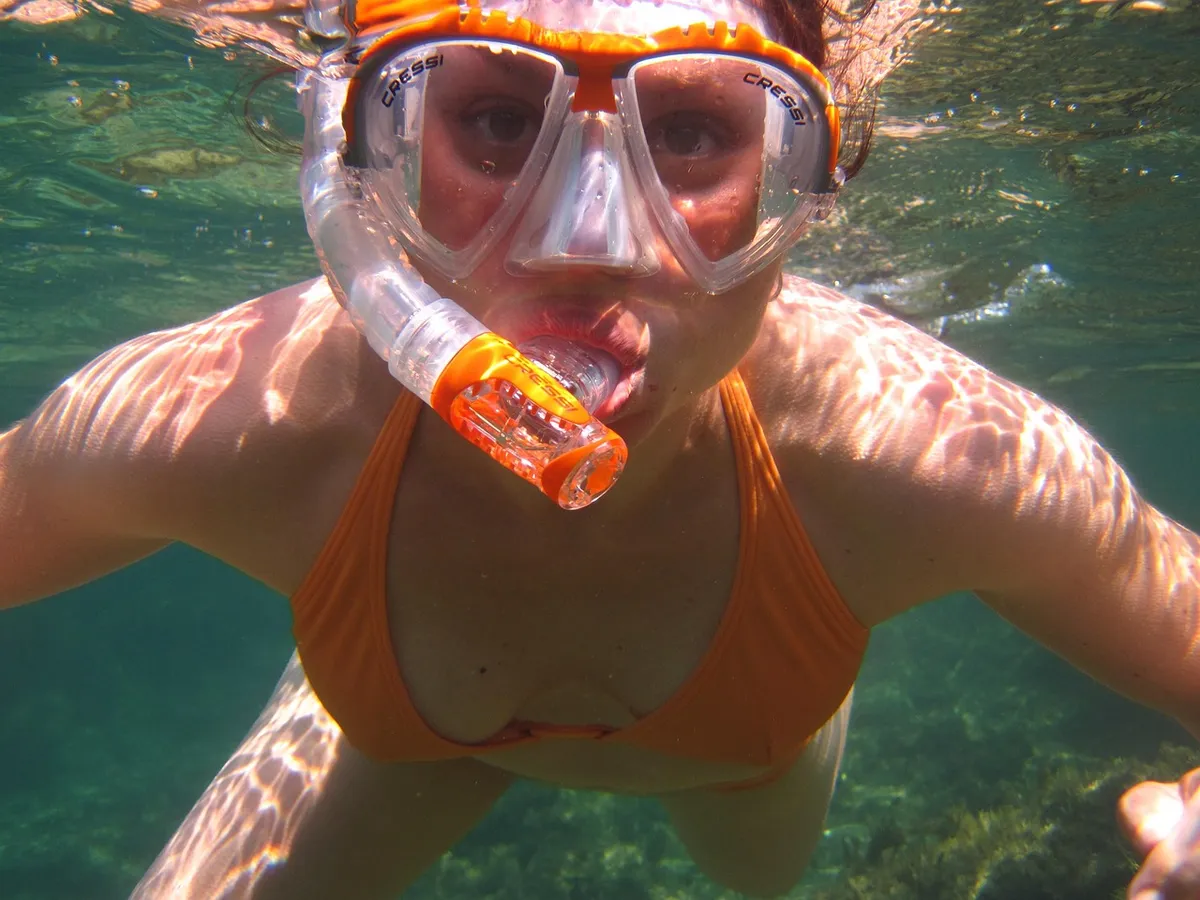
As the midday sun beats down on the pier, I pull my snorkel close to my face and peer into the clear blue water.
A person glides through clear water, watching a sea turtle swim just inches below the surface.
The visibility and shallow reefs provide a vibrant alternative to deep-sea exploration.
The biodiversity in these waters is immense, making a snorkel instead of dive trip highly rewarding. Because Palau is a global leader in protecting marine ecosystems, the shallow reefs are often teeming with life.
You can observe much of the same beauty found by divers without the technical requirements.
A successful Palau water activity often involves moving between different reef structures. Many travelers find that surface exploration offers a unique perspective on the geological formations of the islands. Using a mask and snorkel allows for an intimate look at the underwater world from above.
Focusing on surface-level exploration allows you to witness vibrant coral gardens and schools of tropical fish without the need for heavy equipment or specialized training.
How can you manage a Palau water adventure with tides?
During the low tide at the rocky shore, I grip my snorkel while the salty spray hits my skin.
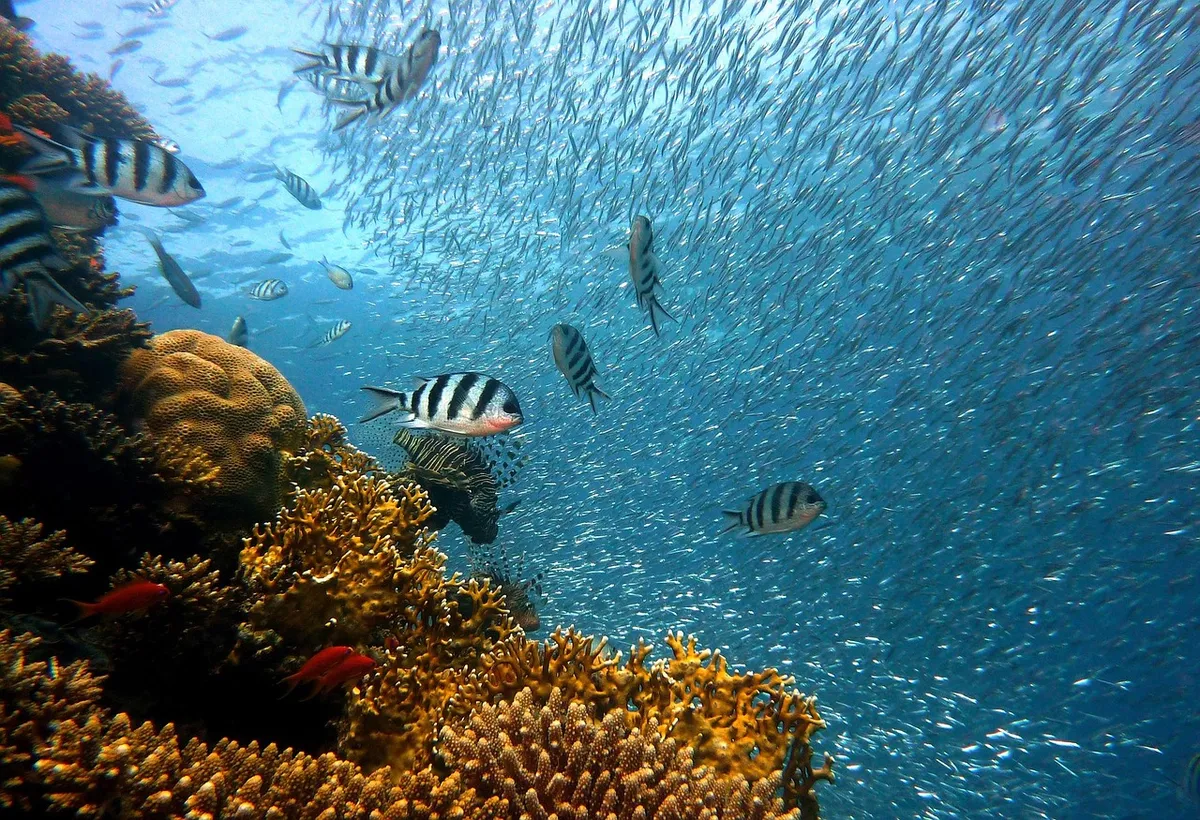
A kayaker paddles through a narrow channel, feeling the gentle pull of the moving tide. Engaging in a Palau water adventure requires careful attention to the natural rhythm of the ocean. Understanding how water moves in the lagoons is vital for safety and accessibility.
Tidal movements can change how you access certain spots. For example, the tidal peaks are delayed from the lagoon tidal peaks by about 1 hour and forty minutes. This delay is a critical factor when planning your timing for lagoon-based activities.
Timing your movements with the tides ensures you can enter and exit areas safely. A well-timed easy snorkel trip can prevent you from being caught in strong currents or stuck in shallow areas. Always check the local tidal schedule before heading out on the water.
Always check the local tide charts before heading out, as tidal shifts can significantly affect water clarity and the accessibility of certain reef areas.
What are the options for an easy snorkel trip?
A traveler paddles a colorful kayak through a quiet, sunlit lagoon. An easy snorkel trip can be combined with other surface activities like kayaking or stand-up paddleboarding. These methods allow you to reach remote reefs that are difficult to access by boat alone.
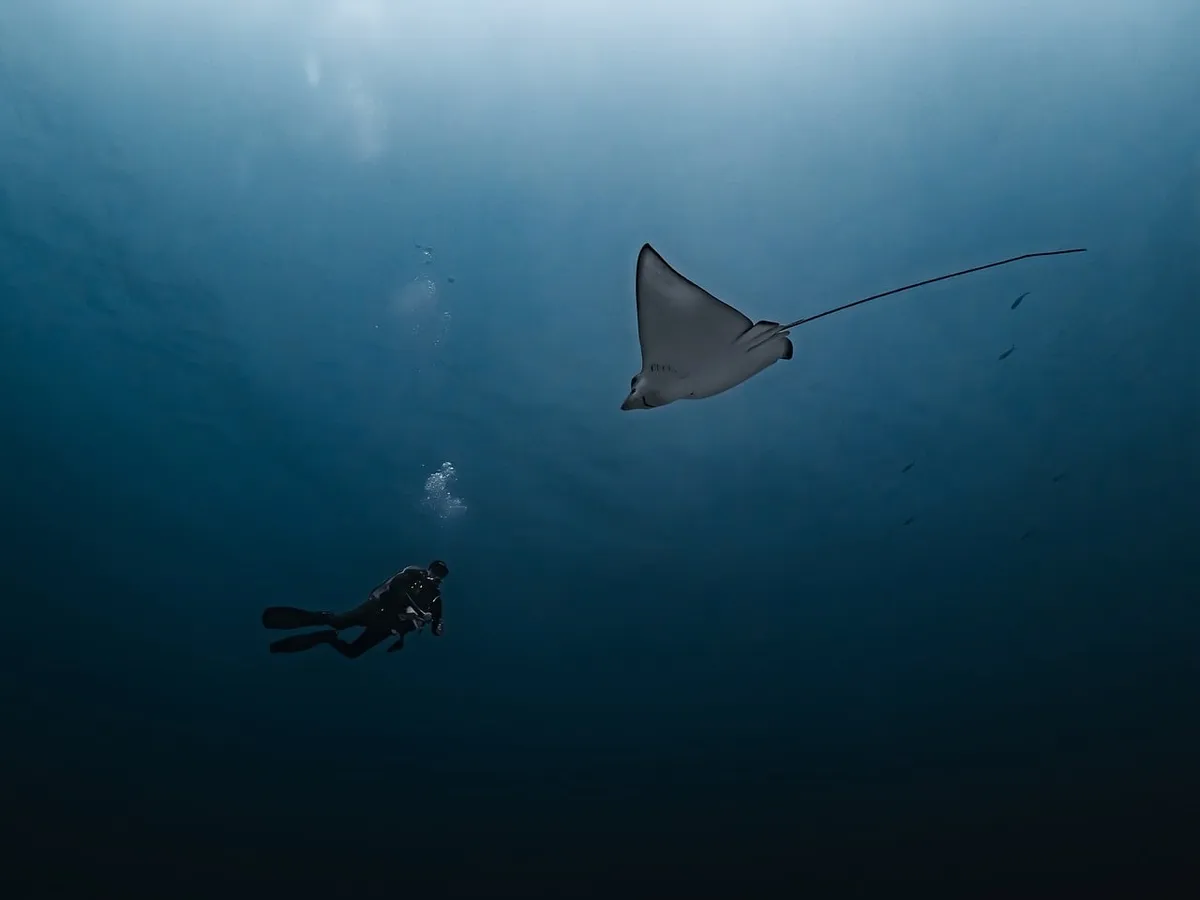
The islands offer various ways to explore the coastline. A kayak SUP Palau experience provides a steady platform for viewing the underwater world while moving between islands. This combination of physical activity and nature observation is perfect for those who prefer surface travel.
The geography of the islands makes many spots accessible via paddle. A kayak SUP Palau trip can lead you to secluded coves where the coral is pristine. Using these tools allows for a more active and exploratory way to see the environment.
Many operators offer lagoon-based tours that feature shallow, protected waters, making them perfect for travelers who prefer minimal effort and maximum visibility.
How to follow the rules of a Palau snorkel tour?
A visitor watches from a boat as they prepare to enter a protected marine area. Participating in a professional Palau snorkel tour means respecting the strict environmental regulations in place. These rules ensure the ecosystems remain healthy for future generations.
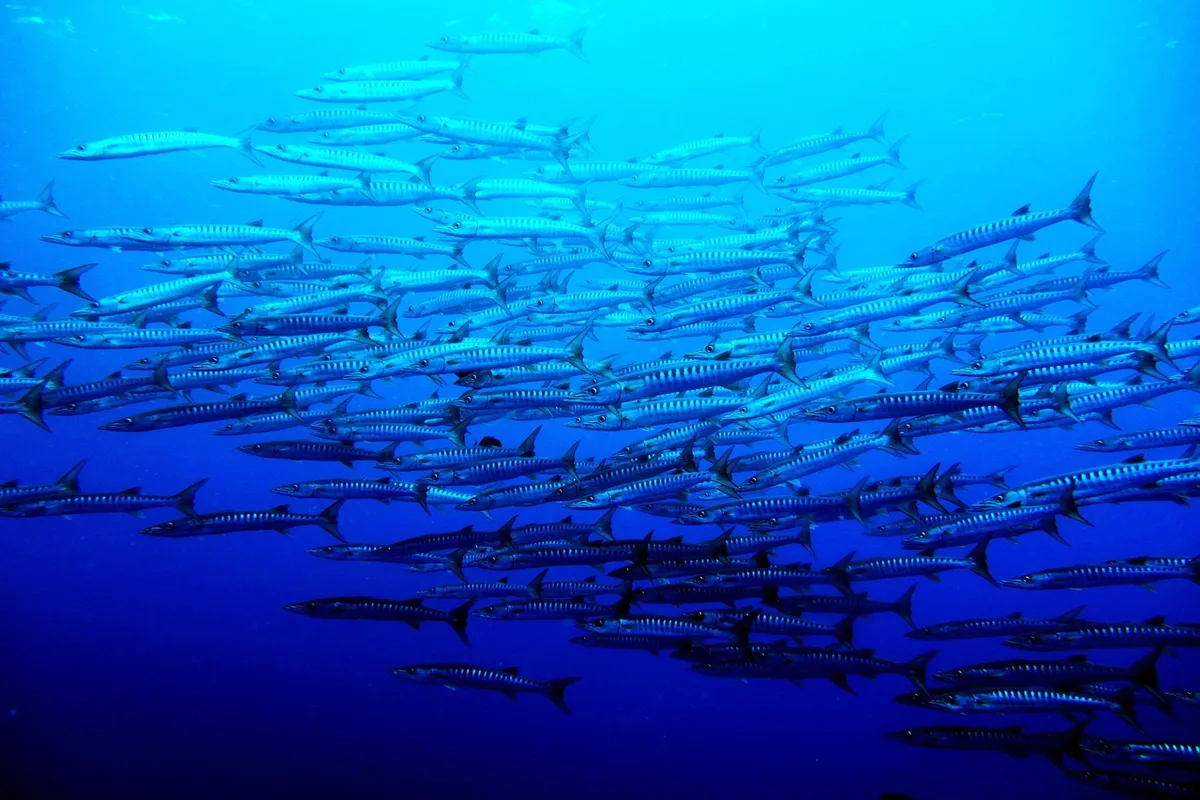
Protecting the environment is a core part of the local culture. In 2005, Palau led the Micronesia Challenge, which would conserve 30% of near-shore coastal waters and 20% of forest land of participating countries by 2020. This commitment to conservation keeps the waters clear and the fish plentiful.
| Activity Type | Primary Benefit |
|---|---|
| Jellyfish Lake Pass | Access to unique ecosystems |
| Kayaking | Reach remote reef areas |
I found that having the correct pass ready made the transition between locations much smoother. Following these guidelines ensures you can see the best spots without causing harm.
One limitation is that the Rock Islands/Jellyfish Lake pass is valid for 5 days, meaning you must plan your itinerary within that specific window.
Listen closely to your guide's instructions, avoid touching any marine life or coral, and always stay within the designated swimming boundaries.
Related
- Palau government tour guide: GDP per capita of US$19,532
- Palau marine life history: Guide to responsible observation
Why is the ocean such a diverse place?
The ocean serves as a vast playground, offering different experiences depending on the chosen activity. While deep divers explore the depths, those content with the surface enjoy incredible biodiversity from above.
According to the United Nations Security Council, Resolution 963 was passed on 29 November 1994 recommending Palau's admission to the United Nations. According to World Bank data, Palau recorded international tourist arrivals of 18,400 in 2020.
The shallow reefs provide a vibrant alternative to the deep-sea exploration that attracts professional divers.
The ocean, in its entirety, showcases the richness of life found in the region. The presence of protected marine ecosystems contributes significantly to the abundance of life encountered during a snorkel trip. The sheer scale of the ocean makes it a compelling destination for all enthusiasts.
The ocean's vast range of depths, temperatures, and light levels creates unique habitats that support an incredible variety of specialized marine species.
What cautions should visitors keep in mind?
A visitor must always observe the local environmental regulations when visiting the protected marine area. These rules are crucial for maintaining the health of the delicate underwater environment. Adhering to these guidelines protects the beauty of the ocean for everyone.
The tidal movements dictate how easily certain areas can be accessed. Therefore, checking the local tidal schedule before embarking on the water is a necessary precaution. This attention to natural rhythms ensures a safer and more enjoyable experience in the ocean.



Comments 0