What 30 metres are the risks of deep water competition?
A diver grips a heavy stone, preparing for a silent descent into the deep blue.
Safety protocols for Blue Corner Dive Safety must prioritize controlled breathing and gradual ascent to manage physiological changes. Divers should focus on structured preparation, monitoring lung capacity, and understanding the risks of deep-water activities.

This guide covers essential preparation, historical descent techniques, and the reality of competitive diving risks.
How to prepare for a deep descent?
A diver sits on the surface, taking deep, rhythmic breaths to steady their heart rate. Effective preparation involves a structured "breathe-up" to stabilize oxygen levels before any significant movement.
This process consists of a preparation "breathe-up," followed by a short, typically one-minute breath hold taken at rest. This behavior is repeated a few times over the first 30 seconds or so on the surface. Maintaining this rhythm ensures the body is ready for the physical demands of the water.
- Hydrate thoroughly to maintain blood volume.
- Practice relaxation techniques to lower your heart rate.
- Perform gentle warm-up stretches to increase flexibility.
How did people descend in the past? Blue Corner Dive Safety Rules
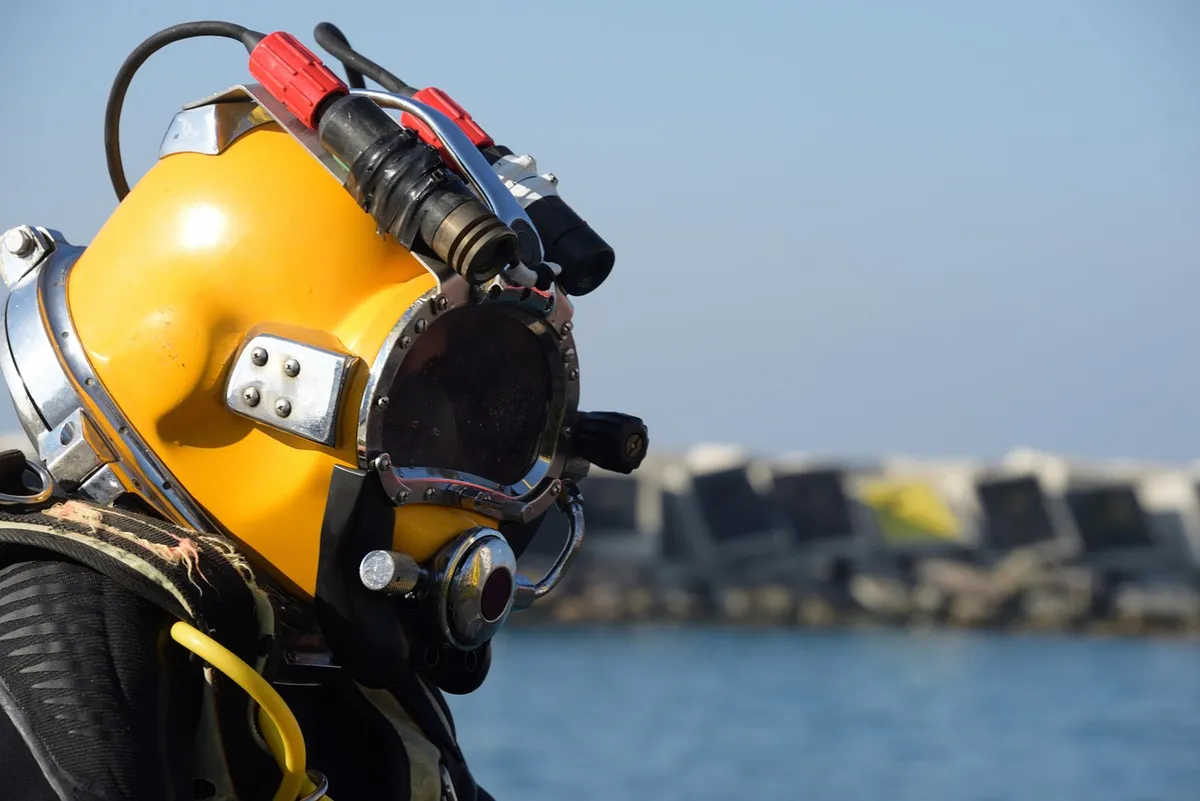
Clutching a heavy stone in the dark water, the diver feels the sudden pull of gravity and the risks of the current. In the dark depths, a diver grips a heavy stone while feeling the sudden pull of gravity and the risks of the current.
A diver holds a heavy weight, feeling the sudden pull of gravity as they slip beneath the waves. Historically, breath-holding divers utilized specific tools to manage their descent speed and depth.
According to the United Nations Security Council, on 29 November 1994, the United Nations Security Council passed Resolution 963 recommending Palau's admission to the United Nations.
By using weights known as skandalopetra, which could weigh as much as 15 kilograms (33 lb), divers would speed their descent to reach depths of up to 30 metres (98 ft) to collect sponges. These weights allowed for rapid movement through the water column.
Modern divers must still account for such rapid changes in pressure.
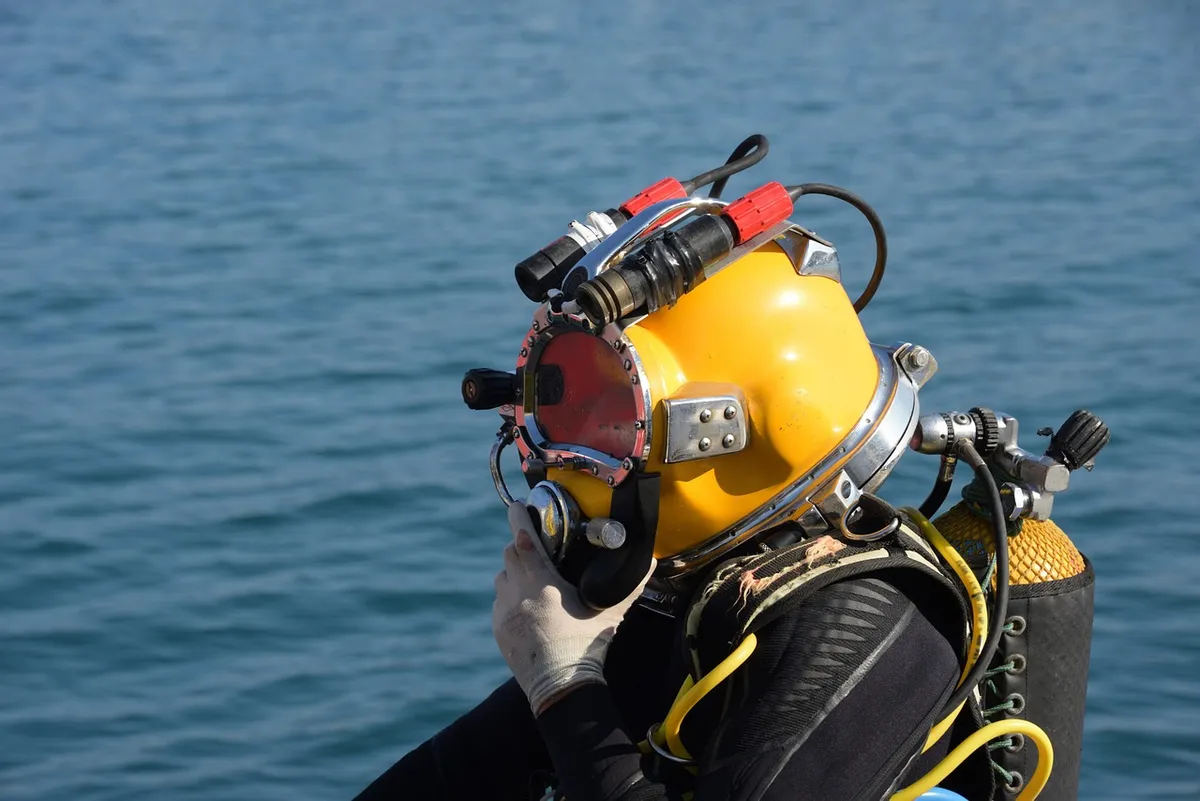
In this sequence, the first method is the most basic.
How does lung capacity affect diving?
A diver expands their chest, feeling the full stretch of their lungs during a deep inhalation. Understanding the mechanics of air volume is critical for those managing buoyancy and gas exchange.
Some divers have a lung capacity of 14 liters, which is about double the size of a typical adult male. Additionally, lung packing can increase the volume of air in the lungs by up to 50% of vital capacity. Managing this volume is a key part of advanced dive profile planning.
What are the dangers of deep water competition? A diver surfaces, gasping for air as they transition from the silent deep to the bright surface. Competitive environments often push the limits of human physiology, leading to unpredictable outcomes. According to World Bank data, Palau recorded international tourist arrivals of 18,400 in 2020.
As of 2022, the incidence of adverse events in depth competitions varies between 3% and 4% of competition dives.
One tragic example occurred on 17 November 2013, when Nicholas Mevoli, a diver from New York, died after losing consciousness while surfacing from a 3-minute 38 second dive to a depth of 72 metres (236 ft). Such events highlight the necessity of strict air management tips.
What are the steps for a safe breath hold?
A diver closes their eyes, focusing entirely on the internal sensation of stillness. Following a consistent sequence helps manage the transition from surface to depth.
- Perform a structured "breathe-up" to establish a resting heart rate. 2. Execute a short breath hold, typically lasting about one minute, while remaining at rest. 3. Monitor physical sensations and surface carefully to avoid loss of consciousness.
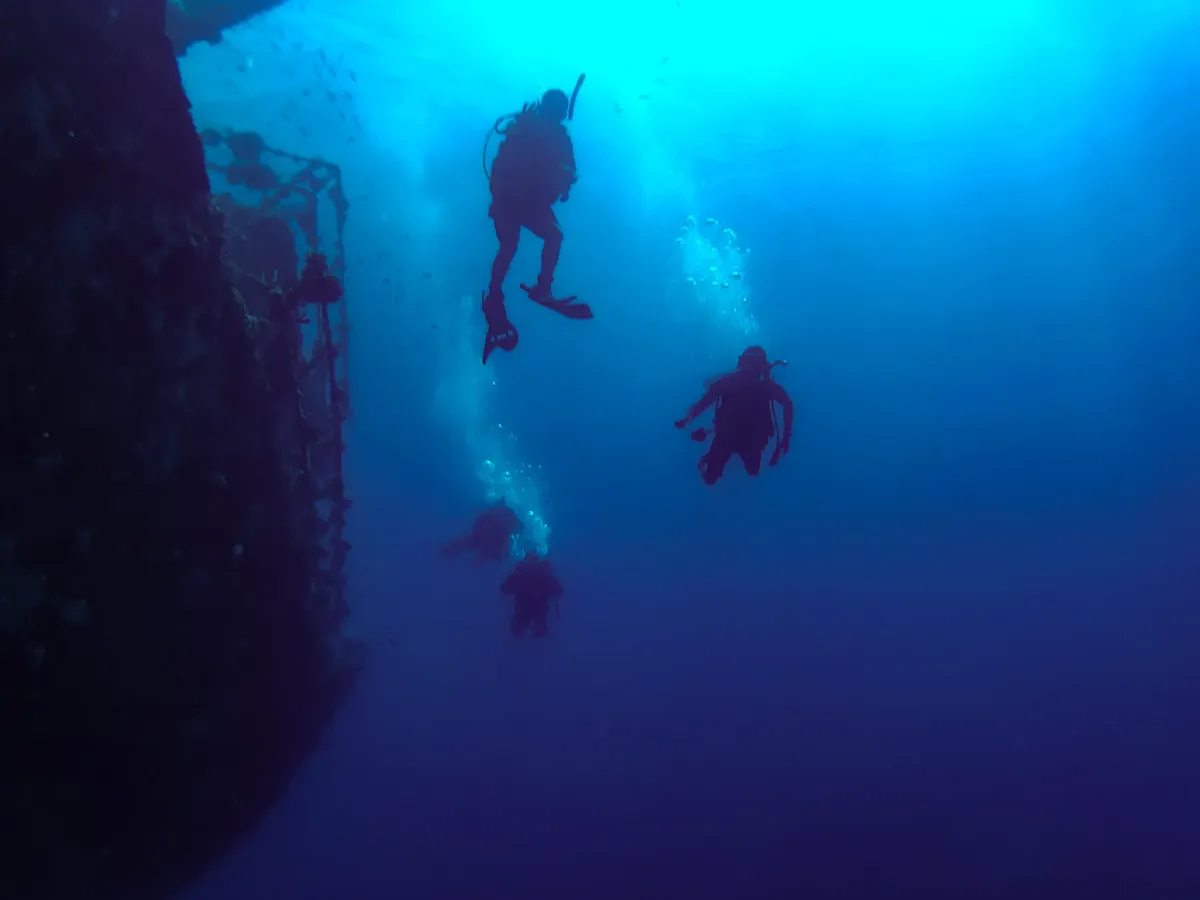
I remember focusing on that final check of my breathing before any deep movement. One limitation to consider is that these steps do not account for the specific physiological variations of every individual diver.
The subject here is Blue Corner Dive Safety Rules.
The same subject is also called Decompression Info Dive.
The same subject is also called Diver Safety Protocol.
The same subject is also called Dive Site Guidelines.
This part also covers Blue Corner Dive Limits.
Blue Corner Dive Limits
Related
- Palau population religion: Arrivals of 18,400 guide
- Palau Micronesia Games: 80 minutes match duration how
What are the consequences of rapid pressure changes?
Rapid changes in pressure occur when a diver uses weights to speed their descent. These tools allow for quick movement through the water column, but they also require the diver to account for sudden shifts in physiological state.
If a diver grips a heavy weight to reach depths of 30 metres, they must manage the transition between surface and deep-water environments. Such rapid movements necessitate careful monitoring of lung capacity and breathing to mitigate risks.
This comparison between controlled movement and rapid descent highlights the importance of understanding pressure changes.
How should a diver manage breathing risks?
A diver must prioritize controlled breathing and gradual ascent to manage physiological changes. This is a critical caution for anyone engaging in deep-water activities.
- Focus on structured preparation to stabilize oxygen levels. 2. Monitor lung capacity to manage buoyancy and gas exchange. 3. Understand the risks of losing consciousness during surfacing.
One must compare the ability to pack air into the lungs with the necessity of maintaining a steady heart rate. A diver who grips a stone or weight must remain aware that these tools change the descent speed.
Such tools can lead to the risks seen in competitive environments where adverse events occur. Always prioritize the breathing-up process to prepare for the physical demands of the water.


Comments 0