Palau marine life history: Guide to responsible observation
"The ocean holds secrets that change with every tide and every passing decade of exploration."
The history of Palau marine life observation involves understanding how these unique ecosystems have transitioned from isolated wonders to globally recognized heritage sites.
This guide covers the historical context of the region, the significance of its natural beauty, and the environmental factors affecting such habitats. Key takeaways include the designation of the Rock Islands, the historical independence of the nation, and the biological importance of coral reefs.
How did Palau transition to independence while preserving its environment?
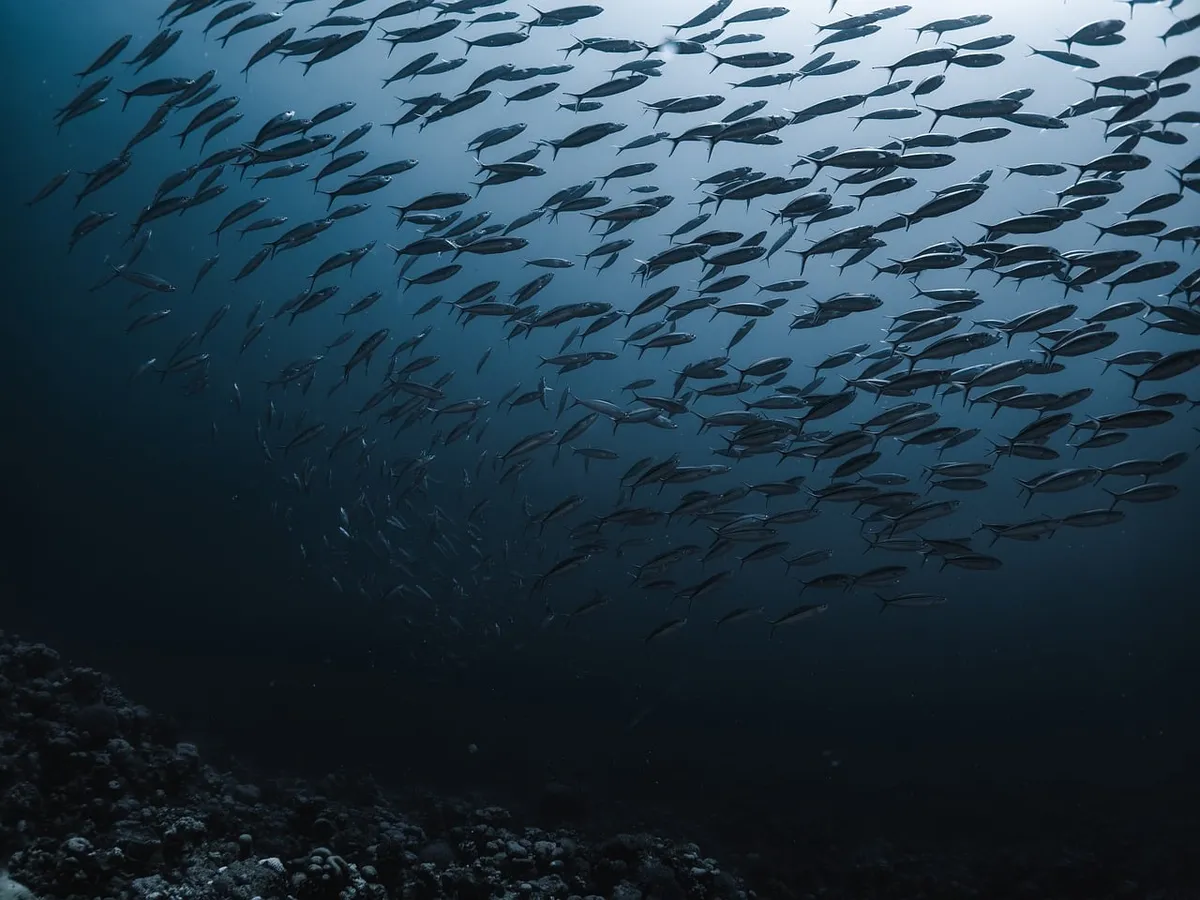
At dusk, a diplomat brushes his fingertips over aged parchment in a quiet office, contemplating the sovereign future of palau.
A diplomat sits at a wooden desk, reviewing historical documents that outline the sovereignty of a Pacific nation.
This political shift set the stage for modern environmental management.
The history of Palau marine life observation is deeply tied to its political stability and sovereignty. Following the conclusion of the compact, the nation moved toward a future where it could manage its own natural resources.
This historical context is essential for understanding how the region protects its waters today.
The nation also sought international recognition for its unique geography. On 29 November 1994, the United Nations Security Council passed Resolution 963, which recommended Palau's admission to the United Nations.
This move helped integrate the nation into the global community, where environmental standards are often discussed.
The importance of the region's natural assets was solidified later. In 2012, the Rock Islands of Palau was declared as a UNESCO World Heritage Site. This designation protects the area's unique geological and biological features for future generations.
However, these conservation efforts may face challenges if economic pressures outweigh environmental priorities.
Why are coral reefs so vital to marine life? Palau marine life history
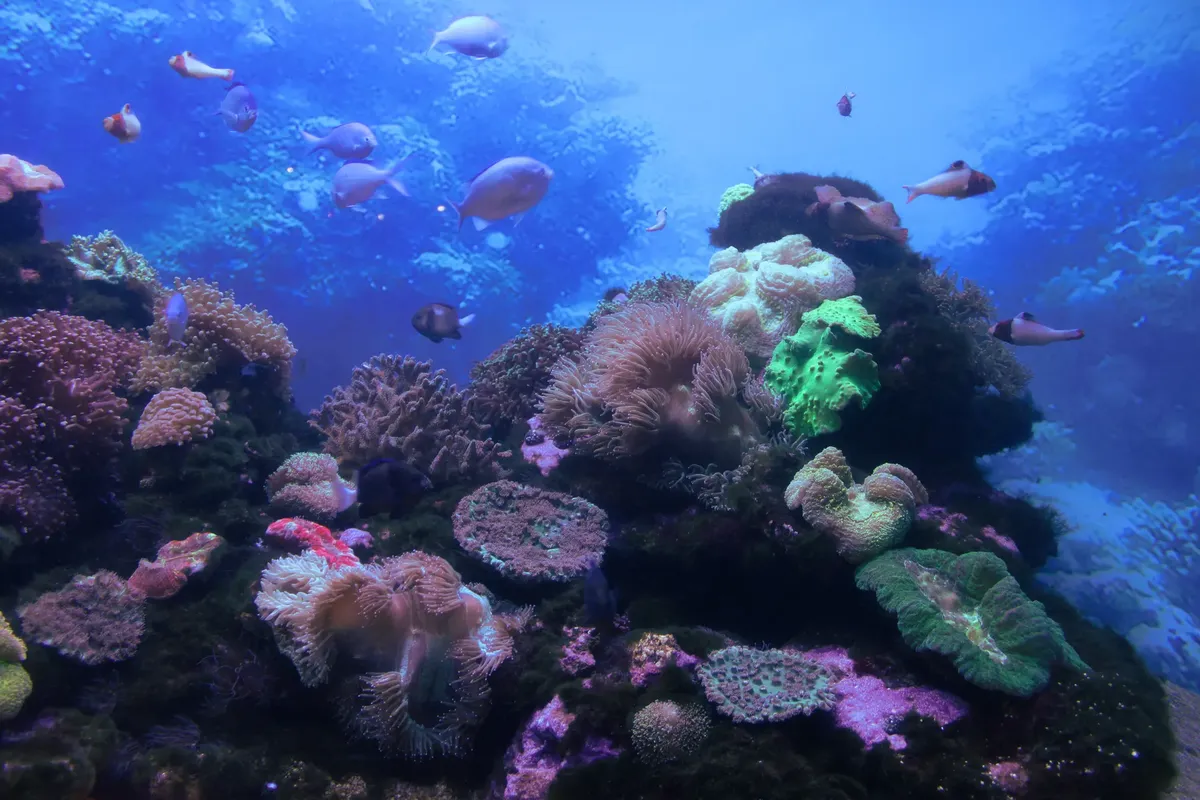
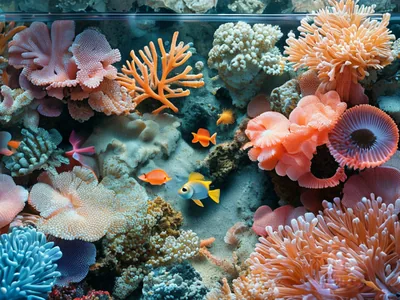
At noon, a diver glides through the warm water in palau, watching colorful fish dart through the stinging branches of the reef. A diver hovers over a vibrant, colorful landscape, watching schools of fish dart between stony structures. Coral reefs cover an estimated 284,300 km2, which is just under 0.1% of the oceans' surface area. Despite their small footprint, they are incredibly productive environments.
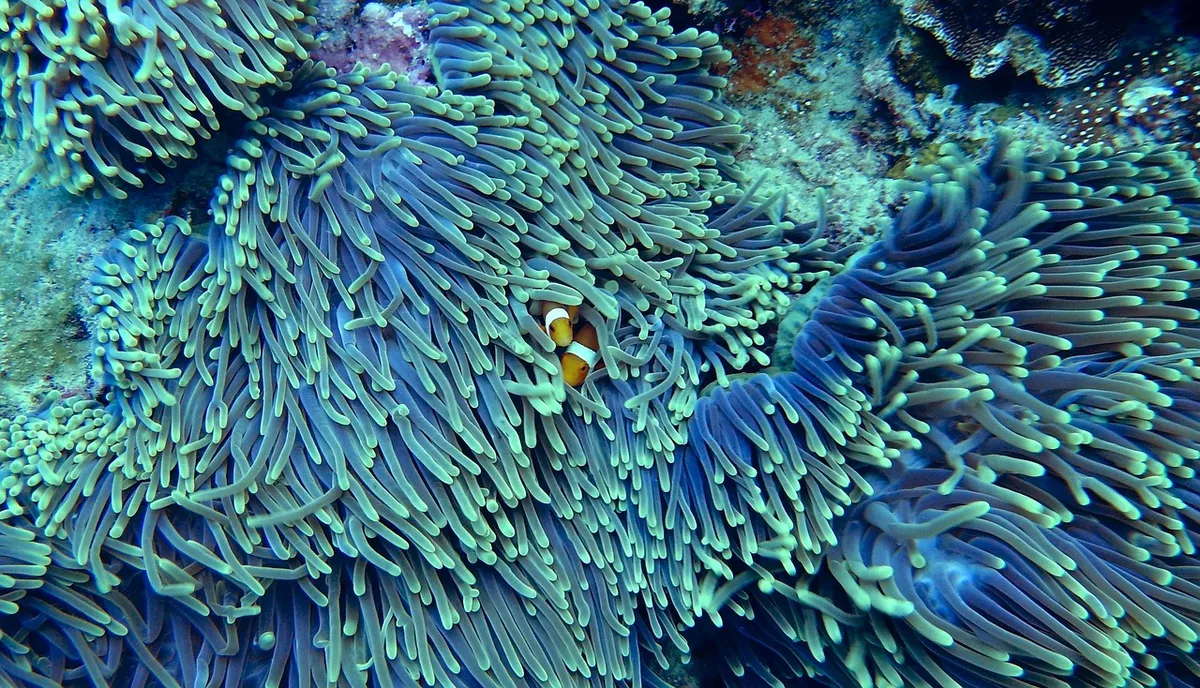
The biological importance of these structures cannot be overstated. While they occupy a tiny fraction of the ocean, they provide a home for at least 25% of all marine species. This includes fish, mollusks, worms, crustaceans, echinoderms, sponges, tunicates, and other cnidarians.
A Palau ocean journey often centers on these diverse biological communities. The sheer density of life makes these areas critical for global marine health. Every organism plays a role in maintaining the balance of the reef ecosystem.
The scale of these systems can be vast. For comparison, some reef systems form the world's largest barrier reef, stretching for 2,000 km and sitting 300–1,000 m from the shore. Such massive structures illustrate the complexity of marine environments.
However, the benefits of these ecosystems are limited if the water temperature rises too rapidly.
What are the risks to these underwater ecosystems?
A researcher examines a bleached section of a reef, noting the loss of color and life. Since 1950, shallow tropical coral reefs have declined by 50%, partly because they are sensitive to water conditions. This sensitivity makes them vulnerable to changes in the surrounding environment.
According to World Bank data, Palau recorded international tourist arrivals of 18,400 in 2020.
A coral viewing trip reveals the delicate balance required to sustain these habitats. Because they are so sensitive to water conditions, even slight changes can have significant impacts. This vulnerability is a primary concern for marine biologists.
Changes in temperature and chemistry can threaten the stability of these reefs. The decline seen over the decades highlights the need for careful observation and protection. Maintaining healthy water conditions is essential for reef survival.
The fragility of these environments is a constant factor in marine science. Understanding these risks is part of the ongoing mission to preserve underwater biodiversity. Protecting these areas requires addressing both local and global stressors.
However, the impact of these threats is less significant if local mitigation strategies are successfully implemented.
How can we understand the scale of marine life observation?
An explorer looks through a telescope at a distant coastline, calculating the vastness of the sea. Understanding the scale of the ocean helps put the importance of specific sites into perspective. Comparing different reef types provides insight into how they occupy space.
| Reef Type | Location/Description |
|---|---|
| Barrier Reef | 300–1,000 m from shore, stretching 2,000 km |
| Platform Reefs | Southern Great Barrier Reef/Swain and Capricorn Group |
The table above shows how different reef structures occupy different zones of the ocean. These variations in distance from the coast and depth are part of the unique character of marine life observation. Each type supports different biological communities.
I compared these different reef structures to understand how they occupy the ocean floor. The diversity of these habitats is what makes marine exploration so complex. Each area offers a different look at the health of our oceans.
However, the scope of observation is limited when equipment cannot reach extreme depths.
What are the steps for responsible marine observation?
A student gathers equipment, carefully checking every tool before heading toward the water. Responsible observation requires preparation to ensure that the natural environment remains undisturbed. Following specific steps helps minimize the human footprint.
- Research the specific biological characteristics of the area to understand what species inhabit the site. 2. Use non-invasive observation techniques to prevent physical contact with sensitive coral structures. 3. Monitor local water conditions to recognize potential environmental stressors in real-time.
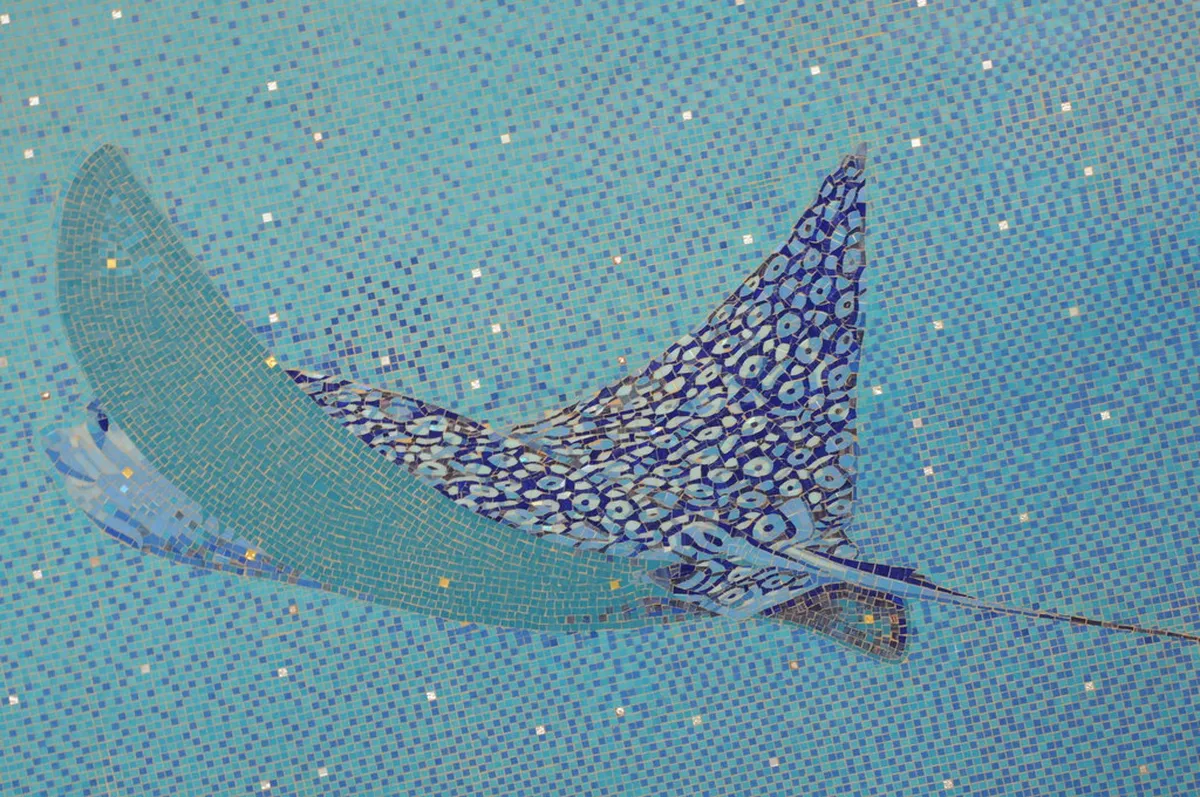
A final check of all equipment ensures that nothing is left behind in the sensitive habitat. Maintaining a clean and careful approach is vital for the longevity of the reef. This practice ensures that the observation process does not harm the subject.
An underwater view is best enjoyed when the observer remains a silent witness to the natural world. By following these steps, visitors can contribute to the preservation of these delicate ecosystems. Respectful engagement is the key to sustainable tourism.
- Prepare the necessary equipment for the specific environment.
- Execute the observation while minimizing physical contact with the habitat.
- Document the findings without disturbing the local wildlife.
- In this sequence, the second step is the most critical for minimizing impact.
The subject here is Palau marine life history.
The same subject is also called Palau underwater view.
This part also covers Diving stay conditions.
Related




Comments 0