Palau marine life guide: Rock Islands UNESCO site
A diver peers through a mask at the vibrant life swirling around a coral reef.
Exploring the Palau marine life guide requires an understanding of the unique environmental protections and the rich biodiversity found within its waters. This guide covers the significance of the Rock Islands, essential diving standards, and how to prepare for an underwater expedition.
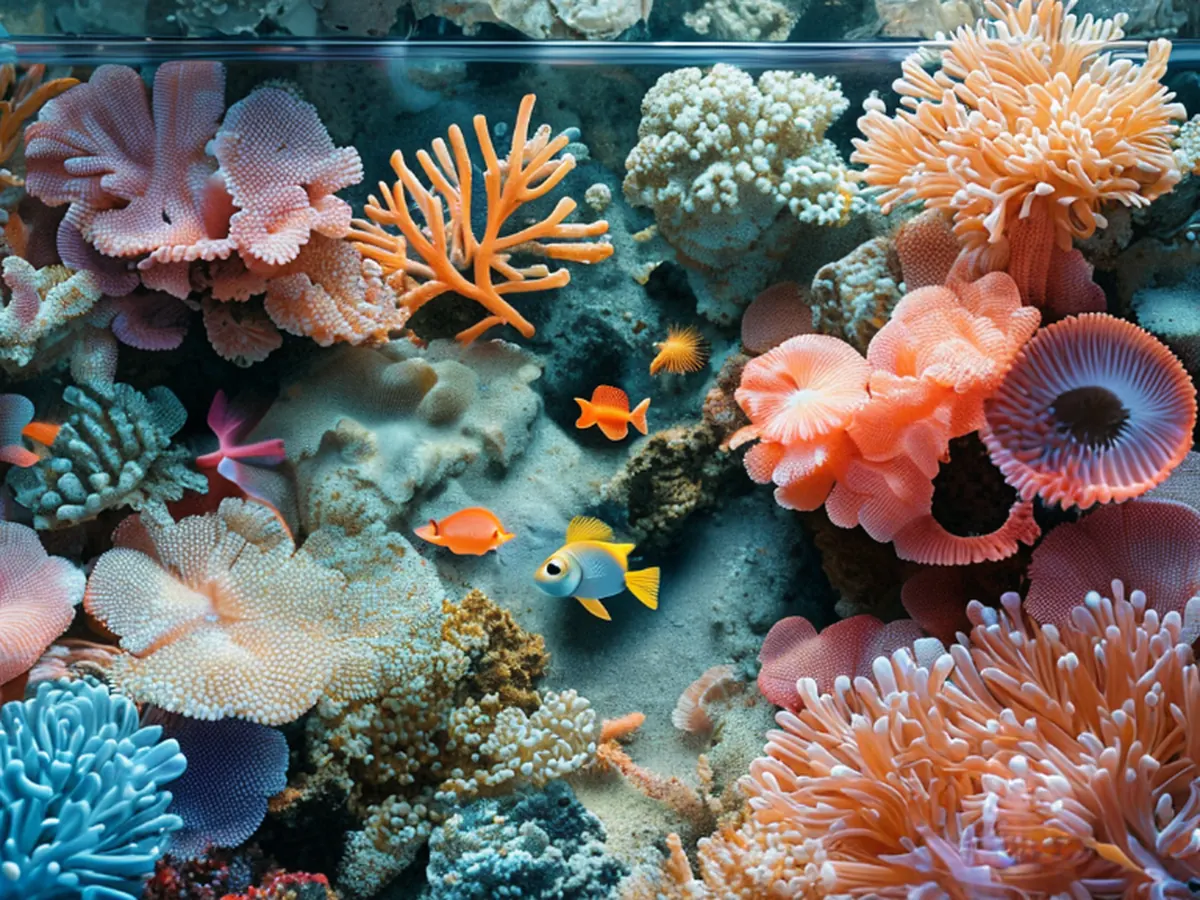
* The Rock Islands of Palau are a UNESCO World Heritage Site. * International diving standards ensure safety during underwater exploration. * Understanding the scale of the world ocean provides context for marine life.
What makes the Rock Islands special?
A traveler stands on a boat, looking at the limestone formations rising from the turquoise sea. This designation highlights the unique geological and biological importance of the region.
The United Nations Security Council passed Resolution 963 recommending Palau's admission to the United Nations.
According to the United Nations Security Council, on 29 November 1994, the United Nations Security Council passed Resolution 963 recommending Palau's admission to the United Nations.
The area serves as a vital sanctuary for various species. Because the ocean provides about 90% of the living space on Earth, these protected waters are essential for maintaining global biotic health. Exploring these waters allows travelers to witness a preserved ecosystem firsthand.
The unique geological formation creates a diverse range of habitats within a concentrated area.
How do diving standards affect the experience? Palau marine life guide
A student adjusts their regulator while listening to an instructor explain safety protocols.
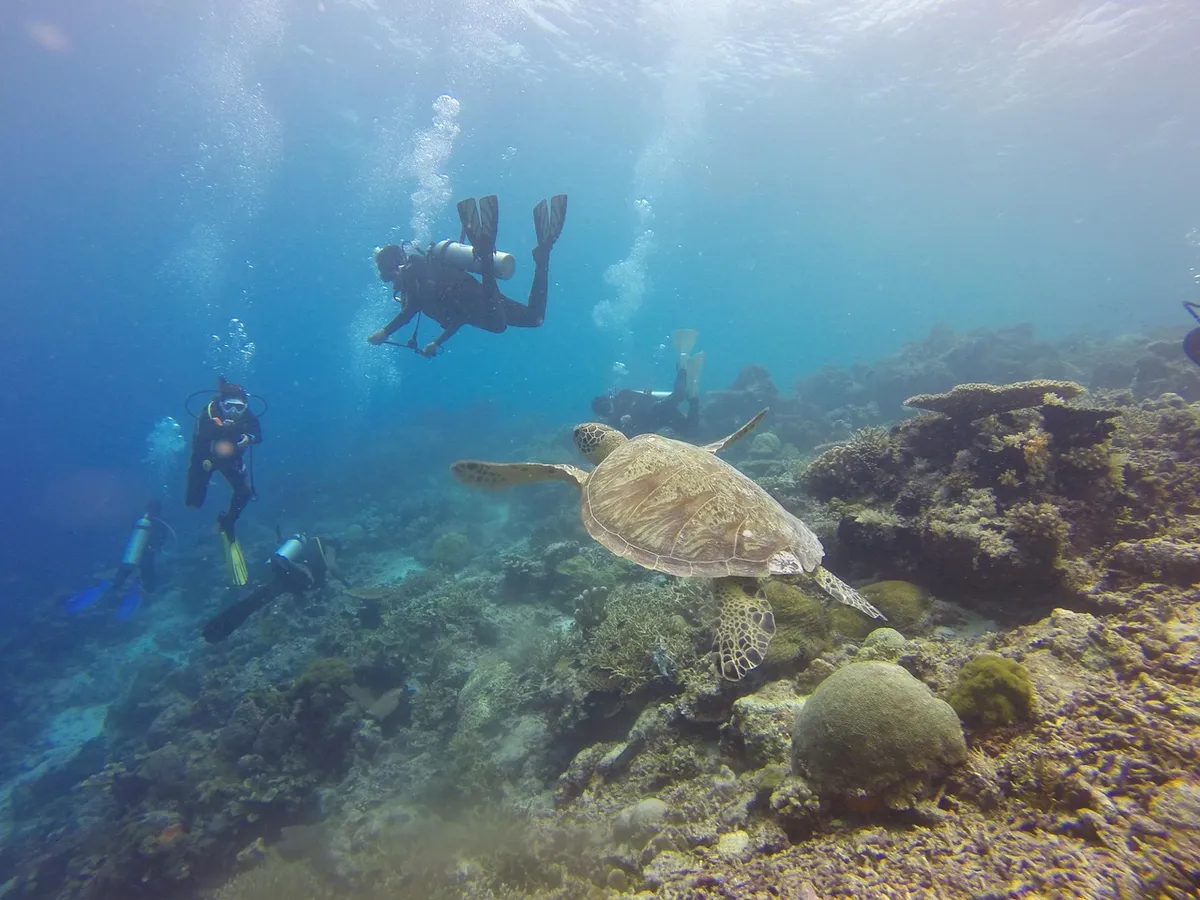
The World Recreational Scuba Training Council (WRSTC) was founded in 1999 to create minimum recreational diving training standards for the various scuba diving certification agencies across the world which are members.
These standards ensure that divers of different backgrounds can safely explore Palau's underwater life. While different agencies exist, following established training protocols is critical for safety. Maintaining these standards helps protect both the diver and the Palau fish species.
- Review local dive site requirements.
- Verify equipment compatibility with local conditions.
- Coordinate with a certified guide.
What should a diver know about marine biomass?
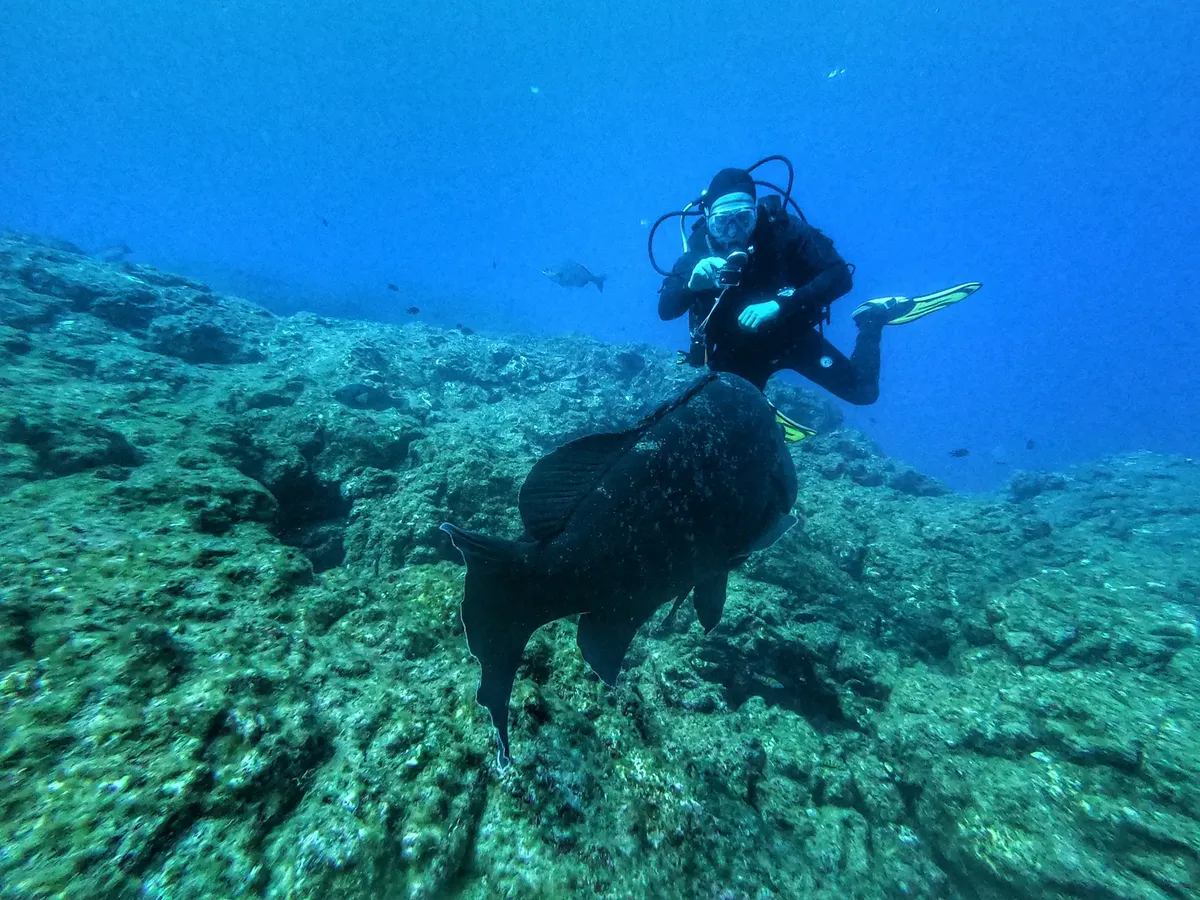
A diver hovers near a reef, watching tiny organisms drift in the current. Marine microorganisms have been variously estimated as constituting about 70% or about 90% of the total marine biomass. This massive biological presence forms the foundation of the Palau marine biodiversity.
Understanding the sheer volume of life helps travelers appreciate the scale of the ecosystem. The world ocean covers an area of 3.618×10⁸ km2 with a mean depth of 3682 m, resulting in an estimated volume of 1.332×10⁹ km3. This vastness makes the local Palau sea creatures even more precious.
I find that the second step in understanding ecosystem density is the most complex.
How can travelers prepare for immersion?
A traveler packs a waterproof bag, checking gear and documentation before a trip. Preparation involves understanding both the physical environment and the technical requirements of diving. According to World Bank data, Palau recorded international tourist arrivals of 18,400 in 2020.
- Verify your certification level matches the local dive conditions. 2. Review the specific equipment requirements for your planned dive site. 3. Check local environmental regulations regarding marine protected areas.
I always double-check my buoyancy control settings before entering the water to ensure a stable descent. This preparation helps maintain the integrity of the coral reefs during the dive.
Physical conditioning and familiarity with local gear are essential for a smooth transition.
What are the limitations of underwater exploration?
A diver surfaces, looking back at the vast expanse of the ocean. While the water is inviting, certain conditions can limit the scope of an expedition. For example, the salinity of the water affects buoyancy and equipment performance.
About 97.5% of the water on Earth is saline. This high salinity level is a constant factor in all saltwater diving environments.
Visibility and current strength often dictate the scope of a dive.
The subject here is Palau marine life guide.
The same subject is also called Palau underwater life.
This part also covers Palau marine conservation.
This part also covers Palau diving etiquette.
This part also covers Palau marine protected area.
Palau marine conservation
Related
- Manta How to see manta in Palau: Observe feeding movements
- Palau Bai culture guide: Traditions shape modern sovereignty
How does the diver maintain safety?
A diver maintains safety by adhering to the training standards established by organizations like the WRSTC. These protocols ensure that the diver can manage the physical environment of the ocean. Following these procedures is a necessary condition for safe underwater exploration.
According to the World Recreational Scuba Training Council, the organization was founded in 1999 to create minimum recreational diving training standards for the various scuba diving certification agencies across the world which are members.
If a diver peers through a mask at a reef, they must remain aware of the salinity levels. Because 97.5% of the water is saline, buoyancy control is a critical factor to manage. This condition affects how the diver moves through the water column.
Strict adherence to buoyancy control and buddy systems ensures a secure environment.
What are the environmental conditions for exploration?
The environmental conditions of the ocean involve a vast volume of 1.332×10⁹ km3. This scale means that the diver must understand the relationship between the surface and the mean depth of 3682 m. Such vastness requires careful preparation to ensure the diver remains safe during the expedition.
Why does the diver monitor the environment?
A diver monitors the environment to account for the vastness of the ocean and its specific physical properties. Because the ocean covers an area of 3.618×10⁸ km2, understanding the scale of the environment is a necessary condition for safe exploration.
When a diver peers through a mask at the reef, they must account for the high salinity of the water. Since 97.5% of the water on Earth is saline, this condition affects buoyancy and equipment performance.
Maintaining proper buoyancy control is a critical procedure to protect the coral reefs during a dive.
If a diver peers through a mask at the marine life, they should remember that microorganisms constitute a significant portion of the marine biomass. This biological presence forms the foundation of the ecosystem. Understanding this scale helps travelers appreciate the environment they are exploring.




Comments 0