Palau Diving Safety: Respecting the Marine Sanctuary Rules
"The ocean does not negotiate, and in the pristine waters of Palau, your preparation is the only thing that keeps a dream vacation from turning into a crisis."
If you are heading to the Rock Islands to explore some of the most vibrant coral reefs on the planet, you aren't just a tourist; you are a guest in a highly regulated marine sanctuary.
Safety in Palau requires a dual focus: managing your own physiological limits and respecting the fragile ecosystem that makes this destination world-class.
Key Takeaways
* Strict Environmental Compliance: Adherence to the Palau Pledge and local marine protection laws is a non-negotiable part of your dive profile. * Decompression Discipline: Respecting No-Decompression Limits (NDL) and ascent rates is vital to preventing serious injury. * Stewardship Mindset: Your responsibility extends to the reef; buoyancy control is a safety tool for both you and the coral. * Pre-Dive Rigor: Thorough equipment checks and local briefings are the foundation of every successful dive.
Why Safety Protocols Are Non-Negotiable in Palau's Marine Sanctuary
As the morning sun blazes over the Koror harbor, you tighten your wetsuit and feel the heavy weight of responsibility settle in your chest.
The sun hits the turquoise water of Koror harbor at 8:30 AM, reflecting a blinding light that signals the start of a dive boat's engine. As you gear up on the deck, you realize that the beauty of these waters comes with a heavy responsibility.
Palau is not a standard dive destination; it is a highly protected marine sanctuary. When you entered the country in 2025, you likely signed the Palau Pledge, a commitment to protect this environment.
In the water, this translates to strict rules: you cannot touch the coral, you cannot collect shells or stones, and you must use only reef-safe sunscreen.
Irresponsible diving—such as kicking a reef or grabbing a rock for stability—can cause permanent damage to delicate coral structures that took decades to grow. Protecting the reef is a safety protocol because a healthy reef provides the very environment we seek to explore.
If you accidentally damage a reef, you risk entanglement or injury to yourself and your buddy. Always ensure your sunscreen is mineral-based to prevent chemical damage to the water column.
But rules on land are one thing; the physics of the water are another.
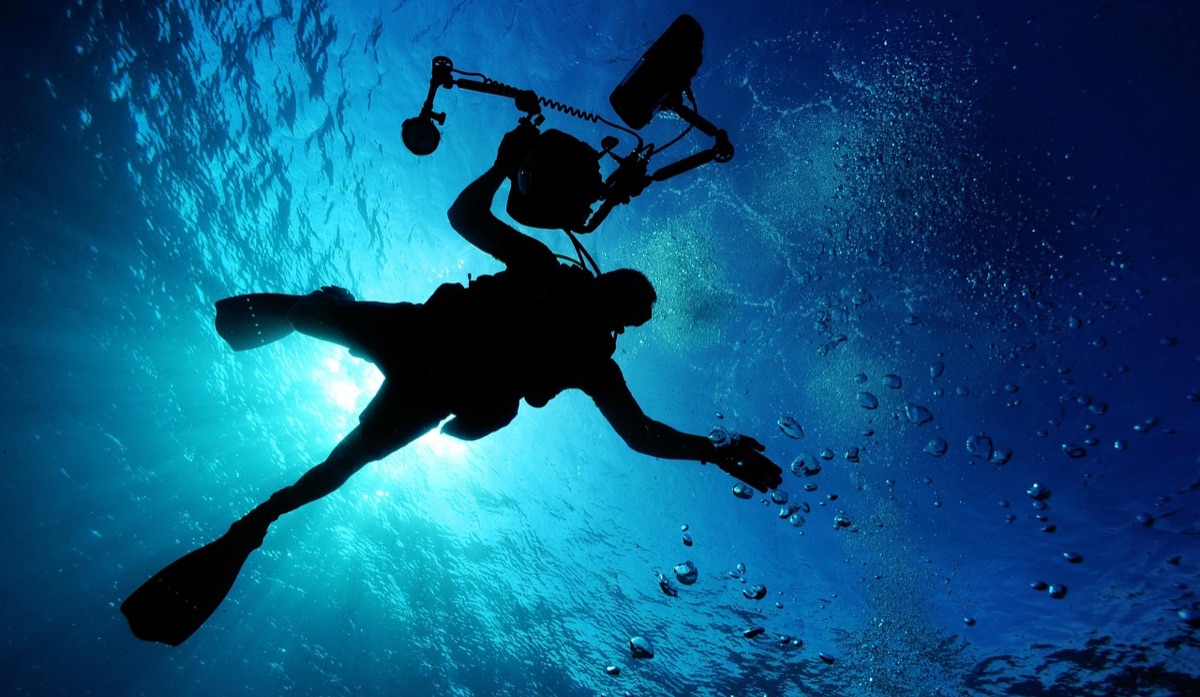
How do I master decompression and dive planning? The sound of a dive computer chirping in a quiet, blue expanse at 25 meters deep is a reminder that you are operating within strict mathematical limits. You are breathing compressed air, and your body is absorbing nitrogen with every meter of descent.
Effective dive planning is the difference between a controlled ascent and a medical emergency. Every diver must carry a reliable dive computer and strictly follow the planned profile.
The concept of No-Decompression Limits (NDL) is your most important boundary; it represents the maximum time you can stay at a specific depth without requiring a staged decompression stop to safely off-gas.
If you exceed these limits, you risk decompression sickness.
While some discussions in medical literature touch on various physiological risks, such as the minimal risk associated with certain medical implants during diving, the primary focus for a recreational diver must always be on depth and time management.
Never attempt to "push" a dive to squeeze in more time. If your computer tells you to ascend, you ascend.
However, even with a perfect plan, your physical presence in the water requires a specific kind of control.
What are my responsibilities as a diver? You drift weightlessly above a massive sea fan at 12:00 PM, watching a school of fusiliers dart past your mask. The silence of the underwater world is profound, but your movements must remain deliberate.
Being a diver in Palau means adopting a "stewardship" mindset. This means your safety is tied to your buoyancy. Poor buoyancy control is not just a skill gap; it is a safety hazard.
If you cannot maintain your position in the water column, you risk hitting the bottom or floating too close to the surface.
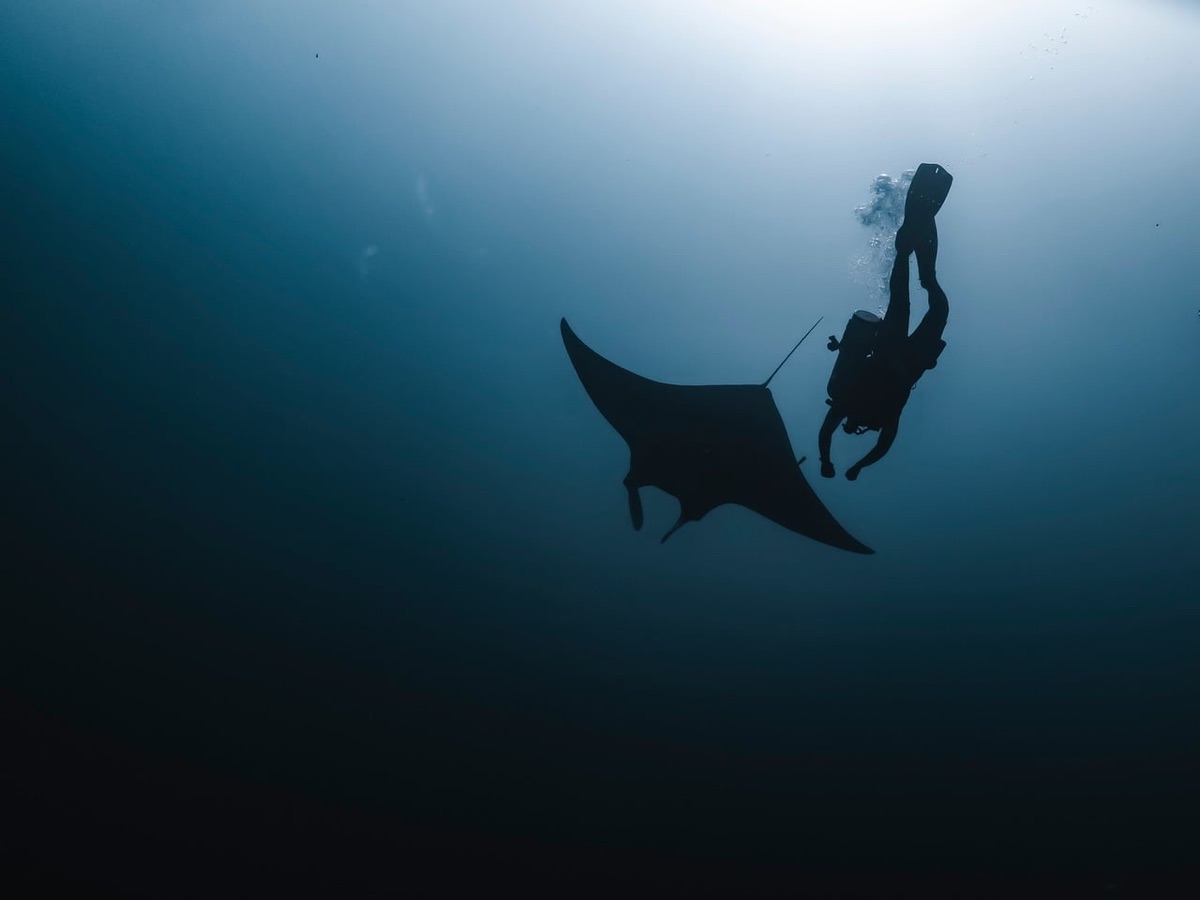
When encountering magnificent creatures like Manta Rays or sharks, the rule is observation without interaction. Do not chase them, do not try to touch them, and do not feed them.
Maintaining perfect buoyancy ensures that you can observe these animals without disturbing their natural behavior or accidentally striking the reef. Your ability to stay neutral in the water is your best defense against both environmental damage and personal injury.
But before you even touch the water, you must prepare your gear.
Pre-Dive Checklist: Ensuring a Safe Descent
The boat captain calls out the dive site name—perhaps "Blue Corner"—and the crew begins prepping the gear. You check your regulator, feeling the familiar resistance of the air flow.
Before anyone enters the water, a systematic checklist is mandatory. This is not a suggestion; it is a life-saving ritual.
- Equipment Integrity: Check your regulator for smooth breathing, ensure your BCD inflates and deflates properly, and verify that your gauges are functioning correctly.
- The Buddy Check: Perform a "BWRAF" check (BCD, Weights, Releases, Air, Final ok) with your partner.
- Local Briefing: Listen intently to your guide. In Palau, currents can change rapidly. A guide will explain the specific entry and exit points for a site like Blue Corner, where currents can be strong.
- Plan Compatibility: Ensure your dive plan matches the site. A deep wreck dive requires different gas management and skill levels than a shallow reef dive.
Never skip the briefing. The local guide knows the specific nuances of the current and the visibility of that specific morning.
Once you surface, the real work of recovery begins.
Post-Dive Protocol: Safe Return to Surface
The transition from the weightlessness of the ocean to the heavy air of the surface can be jarring. As you float at the surface, you hear the splashing of the boat approaching.
The dive does not end when you reach the surface; it ends when you are safely back on land. A controlled, slow ascent is the most critical part of the dive profile. You must always perform a mandatory three-minute safety stop at five meters (15 feet) to allow your body to off-gas nitrogen.
After the dive, your recovery period is just as important. If you have conducted deep or long dives, your body needs time to stabilize. Avoid heavy physical exertion or flying immediately after a dive.
If you have undergone a deep saturation dive or a specialized technical dive, you must follow specific medical clearance protocols before returning to normal activities. Always debrief with your guide to discuss how the dive went and if any equipment or environmental anomalies were noted.
When things go wrong, you need to know how to react instantly.
Navigating Emergencies: What to Do When Things Go Wrong
The sudden, sharp tug of a regulator being pulled from your mouth or a sudden loss of buoyancy can cause instant panic. In those seconds, your training must take over.
If an emergency occurs underwater, stay calm. If you experience equipment failure, such as a regulator malfunction, signal your buddy immediately. If you are separated from your buddy, look for them within a reasonable distance, but do not wander aimlessly.
If you reach the surface and find yourself in distress—perhaps due to a sudden current or an equipment issue—signal the dive boat immediately. Upon surfacing, always notify the dive guide or boat captain of your status.
They are trained to manage surface recoveries and coordinate emergency medical assistance if needed. Panic is your greatest enemy; controlled breathing and following your training are your greatest allies.
| Feature | Recreational Dive | Technical/Deep Dive | | :--- | : much lower risk | much higher risk | | Primary Goal | Exploration & Observation | Depth & Duration | | Ceiling | No-Decompression Limits (NDL) | Decompression Stops Required | | Equipment | Standard Scuba Set | Redundant Systems/Specialized Gas | | Risk Level | Moderate | High | | Supervision | Dive Guide/Buddy | Professional/Technical Instructor |
#




Comments 0