Palau-Taiwan Ties: Shared Identity Beyond Modern Diplomacy
"Geography may define our borders, but shared history defines our soul."
While the vast blue of the Pacific separates these two nations, the connection between Palau and Taiwan is built on much more than just diplomatic papers; it is a partnership of shared identity and survival.
For anyone looking at the geopolitical map of the Pacific, understanding this bond is essential to understanding how small nations navigate a massive world.
Key Takeaways: * The relationship transcends mere modern diplomacy, rooted in deep cultural affinity and shared experiences of sovereignty. * Economic cooperation is driven by shared small-island developing state challenges and opportunities.
* The relationship serves as a model for small nations navigating complex geopolitical landscapes.

How do our island heritages come together? As the sun rose over the Koror cliffs, the warmth of the morning light hit the salt-crusted hands of the officials as they exchanged ceremonial gifts.
The sun rose over the limestone cliffs of Koror in 2025, casting long shadows across the turquoise waters of the Rock Islands. In a small meeting room overlooking the harbor, two officials sat across from one another, exchanging gifts that spoke of both tradition and modern progress.
It was a scene that could have happened anywhere in the Pacific, yet it carried the weight of decades of mutual respect.
Both Palau and Taiwan share a profound maritime identity. For the people of Palau, the ocean is not a barrier but a highway that connects their islands; for Taiwan, the surrounding waters are central to its national consciousness and economic life.
This shared reality of being island-based nations creates a unique perspective on sovereignty and international presence. While their political structures differ, both have walked parallel paths of seeking recognition and maintaining autonomy in a rapidly changing global landscape.
This article examines how these two entities have moved from historical acquaintances to strategic partners, looking at the depth of their current bilateral relationship. But understanding the present requires looking back at how these roots first took hold.

Where do our shared roots begin? On a humid Tuesday morning in the Koror market, the scent of tropical rain hung heavy in the air as elders gestured toward the old meeting houses during their conversation.
Walking through a local market in Koror on a humid Tuesday morning, you might see elders discussing the old ways of the *bai*—the traditional meeting house—and how those values of community consensus still shape local life.
This sense of community and the preservation of heritage is a thread that runs through many Pacific cultures, including the indigenous roots of Taiwan.
The historical continuity between these regions is often overshadowed by modern politics, but the cultural affinity remains. Both societies have had to navigate the transition from traditional governance to modern statehood while fighting to keep their unique cultural integrity intact.
This shared struggle to define themselves on their own terms has created a natural empathy between the two. While the geopolitical context of 2026 is vastly different from the era of early maritime explorers, the fundamental need to protect one's way of life remains constant.
This historical foundation provides a layer of trust that makes modern cooperation much more resilient than simple political alliances. However, as the world changes, these old bonds must meet new realities.
Modern Diplomatic Currents: Navigating the Global Stage
In a quiet government office in Taipei in late 2025, a diplomat reviews a briefing on Pacific relations, noting the importance of maintaining stable, friendly ties with Pacific partners.
The atmosphere is professional, yet there is an underlying understanding that these relationships are vital for projecting a unified voice on the global stage.
The current state of formal diplomatic engagement is characterized by a steady, reliable presence.
Because both entities operate within a complex web of international relations, they often find themselves in similar positions regarding international recognition and the need for a seat at the global table. This shared reality necessitates a high level of diplomatic sophistication.
Beyond the official handshakes, non-governmental exchanges—ranging from academic programs to cultural festivals—sustain the relationship. These informal ties act as a buffer, ensuring that even when global politics shift, the local connection remains.
This dual-track diplomacy allows both to project influence and seek support within international forums, effectively navigating the challenges of being a small nation in a large world. But how do these diplomatic ties translate into tangible support for local economies?

Pillars of Economic Partnership: Mutual Growth Drivers
A cargo ship pulls into a pier in 2026, its deck stacked with goods that represent the lifeblood of local commerce. In a small business setting, a local entrepreneur in Palau discusses how international trade impacts the availability of goods and the cost of living.
According to the Compact of Free Association, Palau will receive more than $450 million in assistance over 15 years, totaling $30 million per year.
For many in these regions, economic stability is directly tied to the ability to engage with the global market. Economic cooperation is a cornerstone of the relationship.
While the scales of their economies differ, both nations deal with the realities of being small-scale players in a globalized world.
Trade and investment flows often focus on areas that support national interests, such as infrastructure, tourism, and specialized technology.
In terms of economic parallels, it is interesting to note that in 2018, Palau recorded a high-technology share of manufactured exports of 51.7% according to World Bank data.
While this figure reflects a specific moment in Palau's economic profile, it highlights the importance of diversifying beyond traditional sectors. Similarly, both nations look toward technological advancement to bolster their domestic economies.
| Feature | Palau Focus | Taiwan Focus |
|---|---|---|
| Primary Economic Driver | Tourism & Maritime Services | High-Tech & Manufacturing |
| Strategic Interest | Maritime Sovereignty | International Recognition |
| Shared Challenge | Resource Management | Geopolitical Navigation |
Shared Stewardship of the Marine Environment
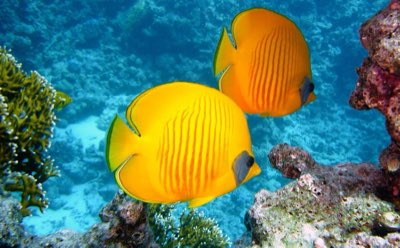
The water in the Rock Islands is so clear that you can see the coral gardens several meters below the surface without even putting on a mask. A diver pauses mid-water, hovering above a vibrant reef, mindful of the strict environmental regulations that protect this delicate ecosystem.
This sense of responsibility is a shared value between the two nations. The ocean is the lifeblood of both Palau and Taiwan, making marine conservation a top priority.
Both nations have a vested interest in the health of the Pacific, recognizing that environmental security is synonymous with national security.
This shared stewardship has led to various collaborative efforts in marine science and sustainable resource management. In 2005, Palau led the Micronesia Challenge, which aimed to conserve 30% of near-shore coastal waters and 20% of forest land of participating countries by 2020.
This kind of ambitious environmental leadership is something that finds resonance in the discussions of environmental policy in Taiwan.
By participating in international forums, both nations work to address shared environmental threats, such as rising sea levels and ocean acidification, ensuring that their most precious resource remains protected for future generations.
But as environmental pressures mount, how do these nations prepare for the decades ahead?
Future Trajectories: Sustaining Bilateral Bonds
As a young student in Koror looks toward a future of higher education in 2026, they might consider exchange programs that bridge the gap between their home and partners like Taiwan.
This generation represents the future of the relationship, and their engagement will determine the longevity of these diplomatic and economic bonds.
The coming decade holds potential for even deeper cooperation, particularly in fields like climate change adaptation, maritime security, and digital transformation.
To maintain this momentum, both nations must focus on a specific set of developmental priorities:
- Educational Exchange: Increasing scholarship opportunities for students to study marine biology and technology in both regions.
- Climate Resilience Infrastructure: Investing in shared research regarding rising sea levels and coastal protection.
- Digital Connectivity: Enhancing undersea cable networks to ensure stable communication and economic integration.
- Sustainable Tourism Models: Developing joint standards for eco-friendly travel to protect sensitive marine habitats.
The resilience of the Palau-Taiwan relationship lies in its adaptability. It is a partnership that has survived shifts in global power and changes in local leadership.
By focusing on shared challenges—like environmental protection and economic diversification—the two nations can continue to navigate the complexities of the 21st century together.
***
A Note on Scope While this analysis covers diplomatic and economic trends, it does not account for sudden shifts in global maritime law or unpredictable extreme weather events that could disrupt local infrastructure.
The relationship is subject to the volatility of international politics and environmental changes.
#



Comments 0