Palau Pledge: Commit to Protecting Fragile Marine Ecosystems
"I promise to leave your islands and much of your ocean better than I found them."
This isn't just a poetic sentiment written on a souvenir postcard; it is the core of the Palau Pledge, a formal commitment required of every traveler entering the archipelago.
When you land at Babeldaob International Airport, you aren't just checking into a hotel; you are entering into a social contract with a nation that has dedicated its very existence to marine preservation.
* The Pledge is a voluntary but essential agreement to protect Palau’s status as a global Marine Protected Area. * It places the responsibility of conservation directly on the shoulders of every visitor, from professional divers to casual snorkelers. * Adherence is vital to maintaining the delicate biodiversity that makes Palau a world-class destination. * Understanding this commitment ensures your travel supports long-term sustainability rather than environmental degradation.
What exactly is the Palau Pledge? Under the heavy, humid heat of the afternoon, a traveler grips a pen at the customs desk and watches the ink soak into the paper.
A traveler stands at a customs desk in Koror in the humid heat of a Tuesday afternoon, pen in hand, looking at a small booklet that accompanies their entry stamp.
The ink dries on a promise to respect the land and the sea, a moment that marks the transition from a mere tourist to a temporary guardian of the islands.
The Palau Pledge is a formal, voluntary agreement made by every visitor to the Republic of Palau. It is a written commitment to respect the local culture and, most importantly, to protect the pristine marine environment.
While it is a gesture of goodwill, it serves as a foundational principle for the nation's identity as a global leader in conservation. In 2025 and 2026, as travel numbers fluctuate, this document remains the primary interface between the visitor and the state.
This agreement is directly linked to Palau's status as a significant Marine Protected Area (MPA). Because much of the surrounding water is under strict protection, the government recognizes that the health of these waters depends entirely on the behavior of those who enter them.
The Pledge was born from a national necessity: to create a sustainable relationship between a growing tourism industry and a fragile, finite ecosystem. It is not merely a set of rules, but a way of life that visitors are invited to adopt.
But why does a simple handwritten promise carry so much weight in the middle of the Pacific?

Why is Upholding the Pledge Crucial for Palau's Ecosystem?
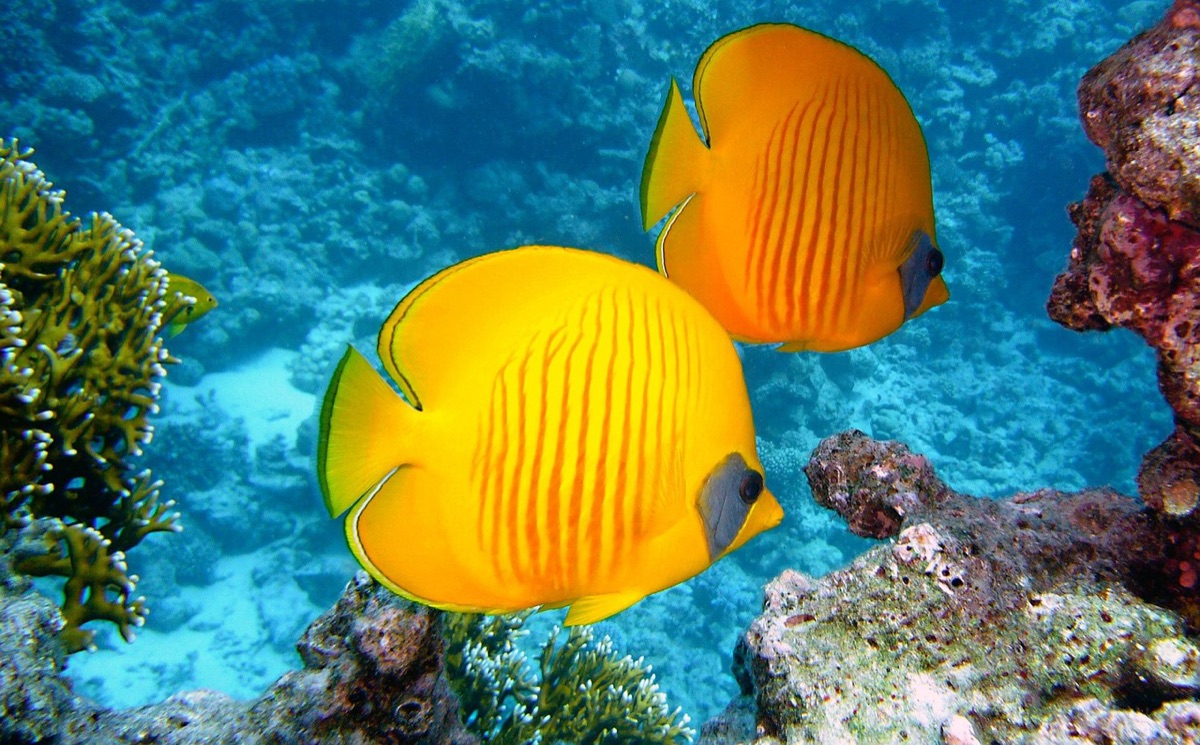
The sun hits the surface of the water at Blue Corner at 10:00 AM, casting dancing light patterns across a vibrant reef teeming with life. A single careless kick of a fin or a discarded piece of plastic can disrupt a delicate balance that took centuries to form.
Palau is a global biodiversity hotspot. The waters here host unique coral formations and a staggering array of endemic species that cannot be found anywhere else on Earth. Because these ecosystems are so specialized, they are also incredibly sensitive to changes in water quality and physical damage.
The primary threats to these reefs include plastic pollution, chemical runoff, and physical damage caused by human contact. In a closed island system, the "ripple effect" is immediate.
A single piece of trash lost in the current or a broken coral branch can have cascading effects on the local food web. By upholding the Pledge, visitors help mitigate these pressures, ensuring that the Marine Protected Area remains a sanctuary rather than a casualty of its own beauty.
However, the physical health of the reef is only one side of the equation.
What does the pledge require of me? A diver hovers weightlessly above a massive sea fan, careful to keep their fins clear of the coral. In another part of the lagoon, a snorkeler watches a sea turtle glide by, keeping a respectful distance to avoid disturbing its natural path.
The Pledge translates into very specific, tangible behaviors once you are in the water. For divers and snorkelers, this means practicing perfect buoyancy control to avoid touching or breaking coral. It means a strict "no touching" and "no feeding" policy for all marine life.
Feeding fish might seem harmless, but it disrupts natural hunting behaviors and can lead to unhealthy aggregations of species. In the current of the Palau currents, a single misplaced hand can destroy decades of growth in seconds.
For those exploring the reefs, operational compliance is key. This includes following all local regulations regarding gear, such as ensuring no sharp objects can snag the reef, and using only reef-safe sunscreen.
The expectations differ slightly by activity level: a deep-sea diver at a high-current site must focus on technical precision to prevent habitat damage, while a casual snorkeler must focus on staying in designated areas and managing waste responsibly.
Both roles are equally vital to the Pledge's success. But how does this individual responsibility translate into the broader management of the islands?
Beyond the Pledge: The Role of Local Governance and Sustainability
In a small government office in Koror, officials review maritime maps and conservation data, working to balance the needs of the local economy with the requirements of the environment. This administrative work is the backbone of the Pledge, turning a traveler's promise into a measurable reality.
The Pledge is part of a much larger, sophisticated sustainable tourism model. The Palauan government plays a central role in enforcing MPA rules and managing the delicate balance of economic development and environmental health.
The Pledge acts as the "social license" that allows tourism to exist in such a sensitive area. In the context of 2026, as global climate pressures mount, these local protections are more vital than ever.
Many of the fees collected through visitor taxes and environmental levies are directly funneled into conservation efforts, reef monitoring, and community-led sustainability projects.
This ensures that the very presence of travelers provides the financial resources necessary to protect the environment they came to see. It is a circular economy of conservation where the visitor's contribution directly funds the preservation of the destination.
While the Pledge is a powerful tool, it is important to recognize its limits. It cannot replace large-scale global climate action, nor can it fully offset the carbon footprint of long-haul flights required to reach the archipelago. It is a localized defense against localized damage.
So, how do you personally prepare to meet these high standards?
How to Uphold the Pledge During Your Trip
Before leaving home, a traveler reads through articles about Palauan culture and packs a bag filled with biodegradable soaps and reef-safe sun protection. They aren't just packing for a vacation; they are preparing for a mission of respect.
To truly honor the Pledge, preparation should begin before you even board your flight. Select tour operators that are certified by local authorities and have a proven track record of environmental stewardship.
When you arrive, take the time to understand the specific local customs and environmental regulations of the islands you will be visiting.
Once on-site, practice mindful engagement. Choose eco-friendly operators, use reef-safe sunscreen (avoiding oxybenzone), and always carry a reusable water bottle to minimize plastic waste. After your trip, don't let the commitment end at the airport.
| Responsibility Category | Practical Action | Why It Matters |
|---|---|---|
| Marine Life | Maintain distance; no touching/feeding | Prevents stress and behavioral changes in species |
| Physical Environment | Master buoyancy; no stepping on coral | Protects the structural integrity of the reef |
| Waste Management | Carry out all trash; use reusable items | Prevents plastic pollution in the marine food web |
| Chemical Safety | Use only reef-safe sunscreen | Prevents coral bleaching and chemical toxicity |
Summary of Visitor Responsibilities
- Respect the Habitat: Always maintain neutral buoyancy and avoid any physical contact with the seabed or coral.
- Observe, Don't Interfere: Watch marine life from a distance; never attempt to touch, chase, or feed animals.
- Minimize Waste: Reduce single-use plastics and ensure all trash is brought back to land for proper disposal.
- Follow Local Guidance: Always adhere to the instructions provided by your guides and local maritime authorities.
The Pledge is more than a signature; it is a way of traveling that honors the sanctity of the natural world. By committing to these principles, you ensure that the vibrant, blue heart of Palau remains healthy for the generations of travelers who will follow in your wake.





Comments 0