Manta Ray Encounters in Palau: Timing and Location Guide
"The ocean doesn't give up its secrets easily, but when a shadow as large as a dinner table glides silently beneath you, you realize you've just witnessed a masterpiece of evolution."
If you are traveling to Palau with the hope of seeing a Manta Ray, you aren't just looking for a fish; you are looking for a specific convergence of current, season, and luck.
To maximize your chances, you must understand that these giants do not follow a set schedule, but they do follow the food and the water.
* Manta ray encounters in Palau are highly dependent on specific seasonal migration patterns and deep-water currents. * Success requires selecting the right dive or snorkel site and booking a specialized, informed tour operator. * Palau’s marine protected status ensures these encounters are sustainable and protected.
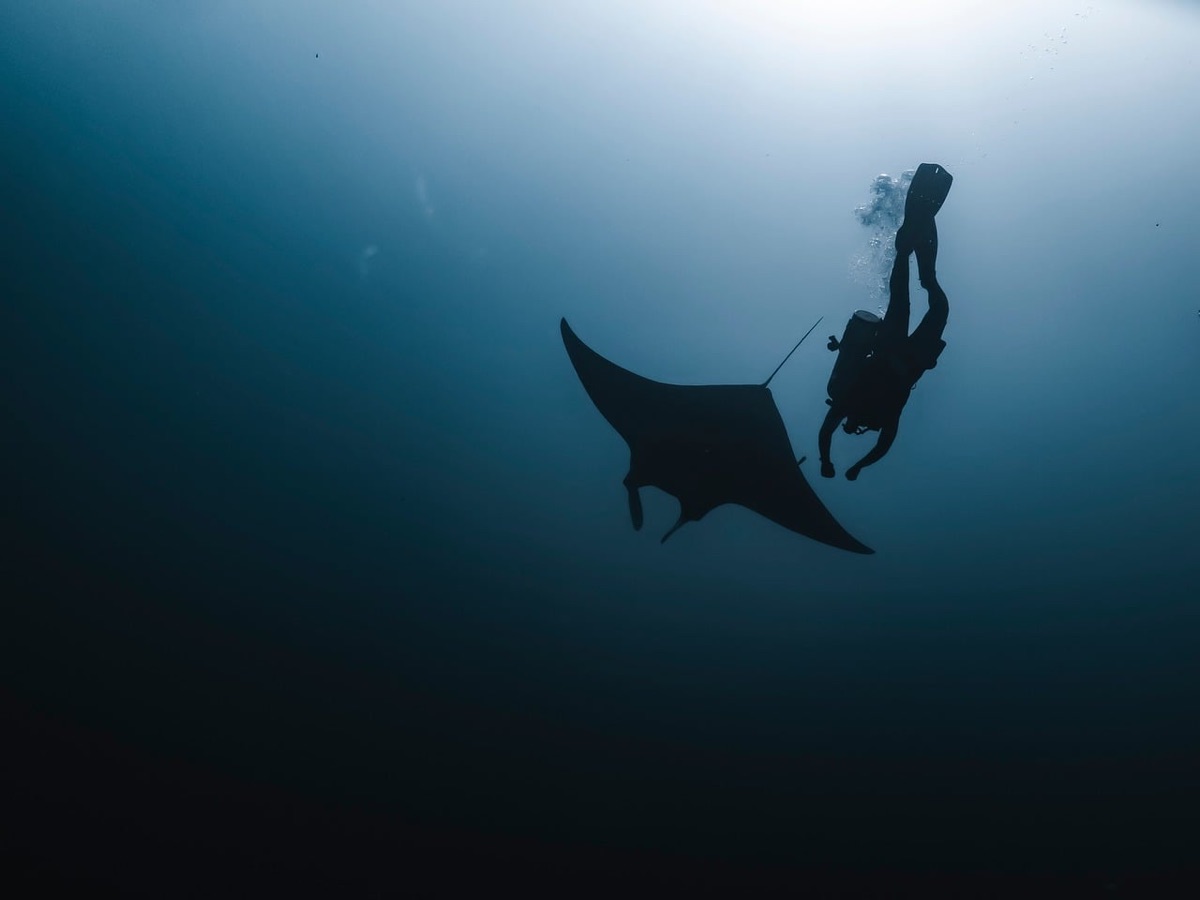
Where and When to Seek the Manta: Optimal Encounter Zones
The sun hits the turquoise water of Koror at 9:00 AM, and the boat engine hums as it cuts through the swell. You look over the side, wondering if the current will bring the giants to you today.
In Palau, Manta activity is often dictated by the transition of seasons. While they can appear year-round, the period from late autumn through early spring often sees more consistent presence in certain channels.
The key is understanding the difference between a "feeding ground" and a "transit point." In feeding grounds, such as certain deep reef edges, Mantas may hover near cleaning stations or stay in one area to filter-feed on plankton.
In transit points, they are often moving through deep channels, appearing as massive, fleeting shadows that pass through the blue before you can even register their size.
The most reliable spots are often deep-water reef corners where upwellings bring nutrient-rich water to the surface. These upwellings act as a natural buffet.
While some sites are legendary for constant sightings, many divers find that the best encounters happen when they hit the "edge"—the drop-off where the reef meets the deep blue.
Because these animals are pelagic, they are highly mobile. A site that is busy one week might be empty the next if the current shifts or the plankton disappears. This is why local knowledge is more valuable than any static map.
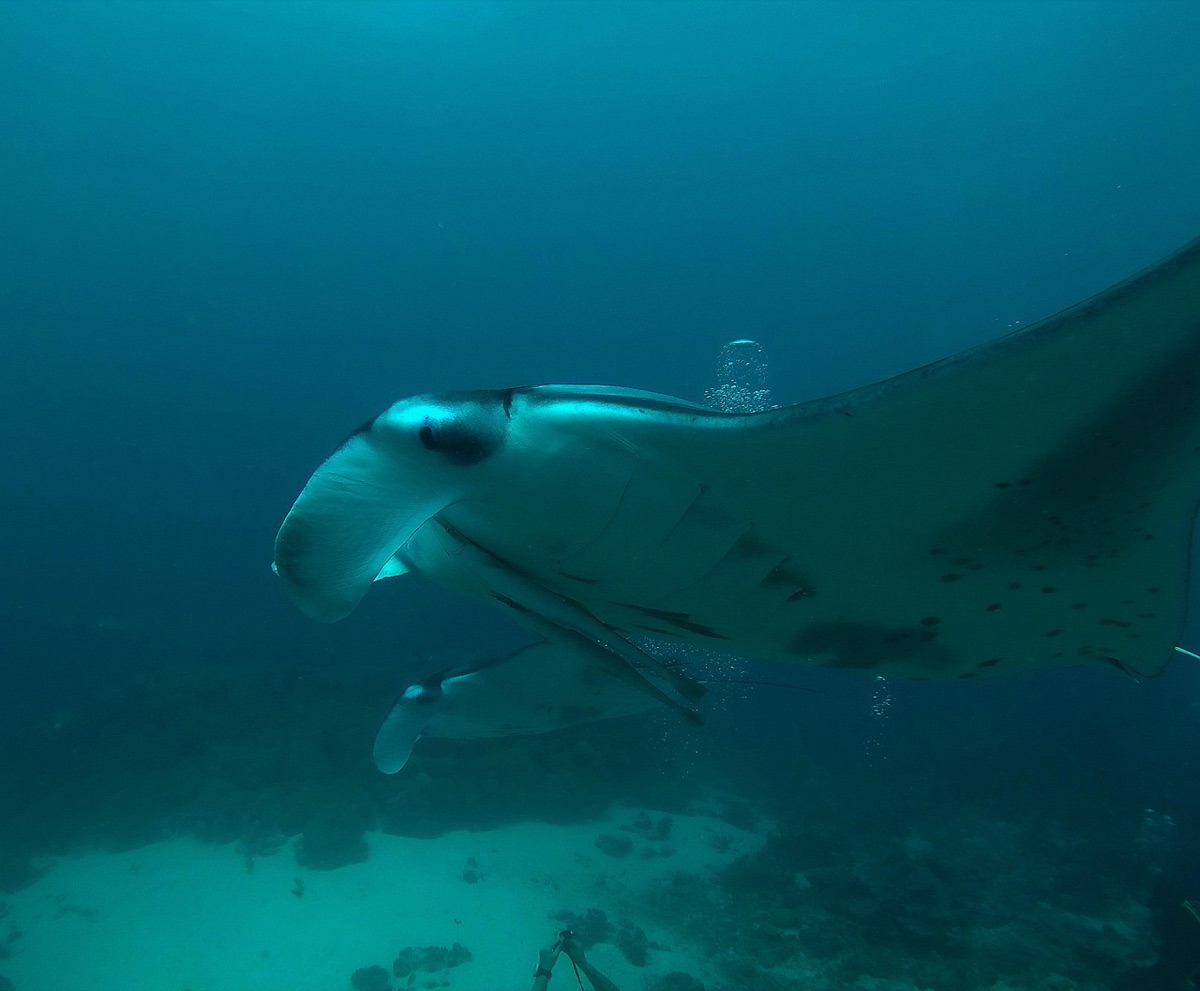
Planning Your Encounter: Dive vs. Surface Experience
A diver adjusts their buoyancy, hovering weightless above a coral head, eyes scanning the blue void. A snorkeler floats on the surface, peering through a mask at a world of light and shadow.
For divers, the encounter is often a game of depth and positioning. Many Manta encounters in Palau happen at significant depths, requiring excellent buoyancy control. If you are too low, you might miss the interaction; if you are too high, you might disturb the animal or drift too far from the reef.
Divers often look for "cleaning stations"—specific spots on the reef where Mantas visit to have parasites removed by smaller fish. At these stations, you can observe their intricate movements up close.
For non-divers or snorkelers, the experience is entirely different. While you can see Mantas from the surface, they often stay deeper than a snorkel mask can reach. However, certain boat tours are designed to take snorkelers to areas where upwellings bring the Mantas closer to the surface.
In these cases, you aren't looking for a close-up encounter, but rather a magnificent silhouette passing beneath your fins.
When choosing a tour, you must decide between a high-intensity dive itinerary and a more relaxed surface-based tour. A specialized operator will know which sites are currently active.
If you book a generic "best of Palau" tour that ignores seasonal shifts, you might spend your entire trip chasing ghosts.
| Feature | Scuba Diving Encounter | Snorkeling/Surface Encounter |
|---|---|---|
| Typical Depth | 15–30 meters (50–100 feet) | 2–5 meters (6–16 feet) |
| Skill Level | Advanced (Buoyancy & Depth control) | Beginner to Intermediate |
| Interaction Type | Close-up, often at cleaning stations | Silhouettes and passing shadows |
| Physical Demand | High (Pressure changes & swimming) | Moderate (Surface swimming) |
The Palau Marine Ecosystem: Why Manta Rays Thrive Here
The boatman points toward a distant reef, explaining how the deep ocean currents wrap around the islands like a giant hand.
The presence of Manta Rays in Palau is no accident. The archipelago sits at a crossroads of powerful oceanic currents that bring a constant supply of plankton. This nutrient-rich environment is the foundation of the entire food web.
The unique geography of the Rock Islands and the surrounding deep channels creates various micro-climates within the water column, allowing large pelagics to find both food and shelter.
Palau’s commitment to marine conservation is a primary reason these creatures remain. The nation has long been a leader in marine protection, utilizing large-scale Marine Protected Areas (MPAs) to safeguard biodiversity.
This isn't just modern policy; it is rooted in a deep cultural respect for the ocean. In the local culture, particularly within the traditions of the Yap islands and the surrounding regions, the sea is viewed as a life-sustaining force that must be respected.
Visitors must adhere to strict environmental codes to protect this delicate balance. This includes the "Palau Pledge"—an environmental oath signed upon entry—and strict rules regarding reef etiquette.
Protecting the Manta means protecting the water quality and the coral structures that support the entire ecosystem.
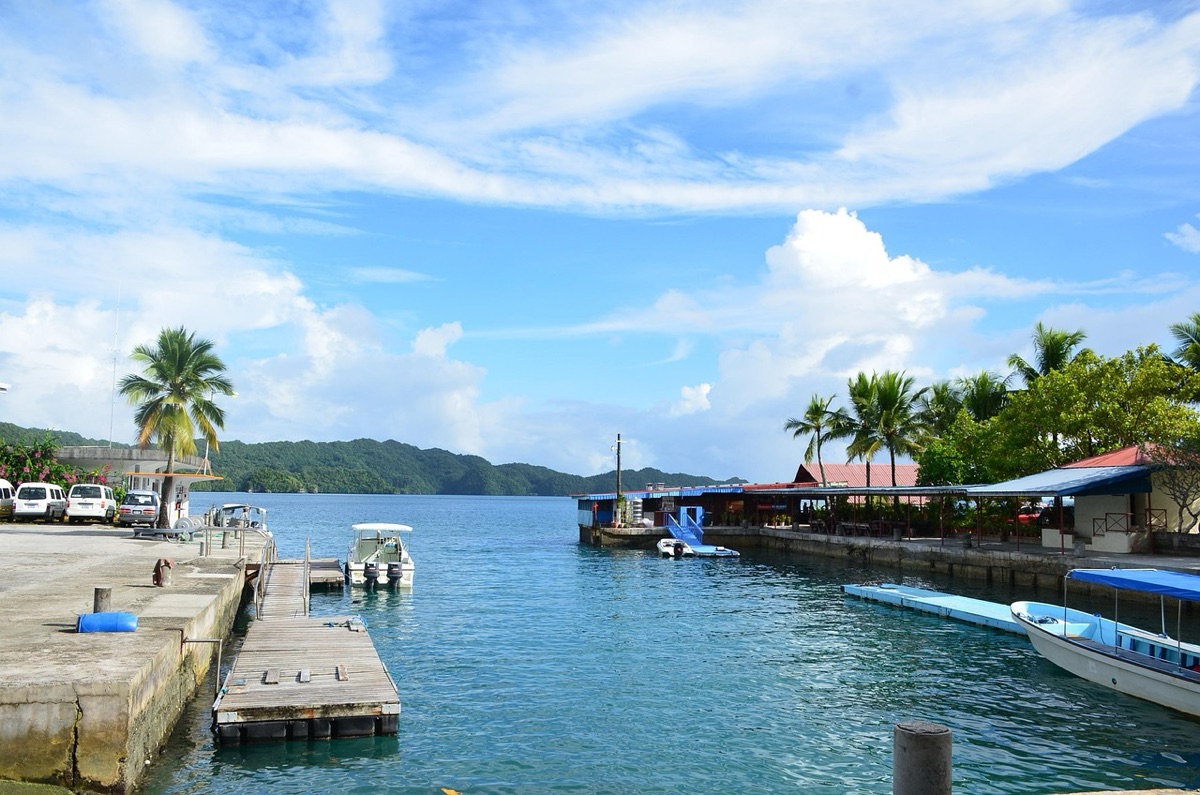
Beyond the Swim: Logistics for a Successful Trip
A traveler sits on a deck chair, checking a waterproof notebook and planning the next day's route. According to World Bank, Palau recorded a GDP per capita of US$19,532 in 2025.
To maximize your chances of a Manta encounter, you cannot treat your trip as a random series of excursions. You need a structured itinerary. If you are a diver, you must account for "no-fly" time and decompression recovery.
A common mistake is scheduling a heavy dive day immediately followed by a long-distance flight.
When booking tours, look for operators that specialize in "pelagic" or "blue water" diving. These guides are often more experienced in tracking large animals.
While these tours may cost more than a standard reef tour, the expertise they bring regarding current patterns and animal behavior is often the difference between a sighting and a missed opportunity.
Regarding environmental responsibility, always use reef-safe sunscreen. Standard sunscreens contain chemicals like oxybenzone that can harm the coral reefs that sustain the Manta's food source. Additionally, never attempt to chase or touch a Manta Ray.
Even a well-intentioned interaction can cause stress to the animal, disrupting its natural feeding or migration patterns.
Quick Reference: Manta Encounter Checklist
The following table helps you decide which type of trip suits your current skill level and goals.
- High Chance / High Skill (The Pro Diver Path)
- * Target: Deep channel dives and cleaning stations. * Requirements: Advanced Open Water certification, strong buoyancy control, and comfort with currents. * Goal: Close-up, intimate encounters at depth.
- Moderate Chance / Low Skill (The Explorer Path)
- * Target: Surface snorkeling in upwelling zones. * Requirements: Good swimming ability and comfort in open water. * Goal: Seeing the magnificent scale of the animals from above.
- Patience and Respect (The Universal Rule)
- * Action: Keep a respectful distance. * Observation: Watch the way they move; mimic their calm. * Outcome: A natural, stress-free encounter that honors the animal.
#



Comments 0