Palau Snorkeling: See Marine Life Without Scuba Gear
"The ocean doesn't care about your certification; it only cares about your presence."
If you aren't a scuba diver, you might think you're missing out on the magic of Palau. In reality, some of the most breathtaking marine spectacles in the world are accessible just a few feet below the surface, where the sunlight hits the reef.
* Palau offers world-class accessibility for snorkelers, providing a front-row seat to biodiversity without needing deep-sea gear. * Choosing between a structured boat tour and a self-guided kayak trip depends entirely on your desire for convenience versus autonomy. * Strict adherence to the Palau Pledge and local marine protection protocols is non-negotiable to preserve these ecosystems.

🐠 Why Snorkel Palau? Navigating the Underwater Ecosystem
The sun hits the water at midday in Koror, and you can see the shadows of fish dancing on the sandy bottom from the boat deck. You realize that while divers go deep, you are swimming through a suspended liquid cathedral of light.
While scuba divers descend into the blue to find sharks and deep-reef structures, snorkelers inhabit the most vibrant layer of the ocean: the photic zone. This is where the sunlight fuels the massive coral gardens that define Palau's identity.
Because you stay near the surface, you get a clearer view of the intricate relationship between the reef and the light.
The biodiversity here is staggering. You aren't just looking at fish; you are looking at a complex, living architecture of hard and soft corals that support thousands of species. In Palauan culture, the stewardship of these waters is deeply rooted in traditional values of respect for the sea.
This sense of local responsibility, often tied to traditional governance and community respect, ensures that the marine life remains healthy for generations.
However, this beauty comes with a responsibility. To enter these waters, you must respect the environmental fees and the Palau Pledge—a commitment you make to the islands upon arrival. Protecting this ecosystem is not just a suggestion; it is the price of admission to such a pristine environment.
But how do you decide which way to explore this liquid world?
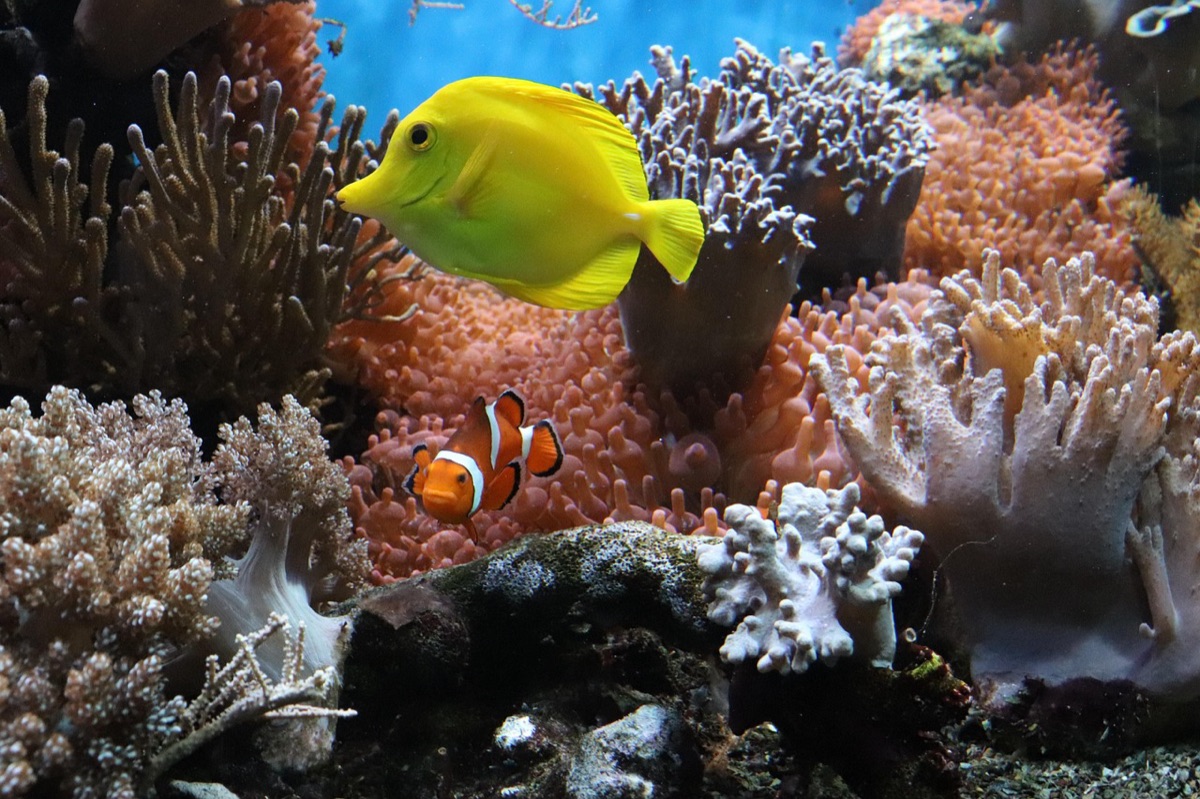
Should I take a tour or go snorkeling on my own?
As the morning sun warms the pier, you grip the smooth wooden railing and gaze out at the distant islands, weighing the ease of a boat against the pull of the open sea.
A group of travelers stands on a pier in Koror, debating whether to book a full-day boat tour or rent kayaks to explore the Rock Islands on their own. The choice between a guided tour and a DIY adventure will define your entire trip.
Guided tours are the gold standard for those who want a seamless experience. Most operators in Palau provide high-quality masks, fins, and life jackets, often including lunch and transport from your hotel in Koror or even from Yap-adjacent islands.
The pros are clear: experienced captains know exactly where the visibility is best and can navigate currents that might be tricky for a novice. The cons are usually the fixed schedule and the presence of other groups.
If you prefer autonomy, self-guided exploration via kayak or SUP (Stand-Up Paddleboard) is a fantastic alternative. This allows you to find quiet corners of the Rock Islands that larger boats cannot reach. However, you must be prepared.
| Feature | Guided Boat Tour | Self-Guided (Kayak/SUP) |
|---|---|---|
| Logistics | All-inclusive; transport provided. | You must arrange your own transport. |
| Equipment | Usually included in the price. | You must pack your own gear. |
| Navigation | Expertly handled by a captain. | Requires local knowledge of tides/currents. |
| Cost | Higher upfront cost. | Lower cost, but higher effort. |
If you go the DIY route, your checklist must be thorough. You need high-quality, well-fitting snorkeling gear, waterproof dry bags, and a reliable way to navigate. Always check local marine park regulations before setting out, as certain areas are restricted to motorized vessels only.
But once you pick your method, where do you actually go to find the magic?
Where are the best snorkeling spots to visit?
The morning mist lifts off the limestone cliffs of the Rock Islands, revealing turquoise lagoons that look almost too blue to be real. You paddle toward a hidden cove, knowing that the best sights are often tucked away in these geological wonders.
The Rock Islands are a UNESCO World Heritage site and a masterpiece of nature. For snorkelers, the various lagoons between the limestone islands offer sheltered, crystal-clear water. The geological formations create natural nurseries for fish, and the visibility is often exceptional.
Depending on the tide, you can find shallow reef flats that are teeming with life.
Jellyfish Lake is perhaps the most famous non-diving attraction in the world. This marine lake is home to millions of golden jellyfish that have lost their sting through evolution.
When you enter the water, you must follow strict etiquette: do not touch, do not chase, and do not use sunblock that could harm the delicate balance of the lake. The water is warm, and the sight of thousands of golden bodies pulsing through the water is surreal.
For those with limited time, many of the reefs surrounding the main islands offer incredible "drift snorkeling" opportunities.
If you join a tour, they can often take you to spots where the current gently carries you over massive coral heads, providing a constant stream of new sights without much effort.
However, seeing the life is one thing; interacting with it is another entirely.
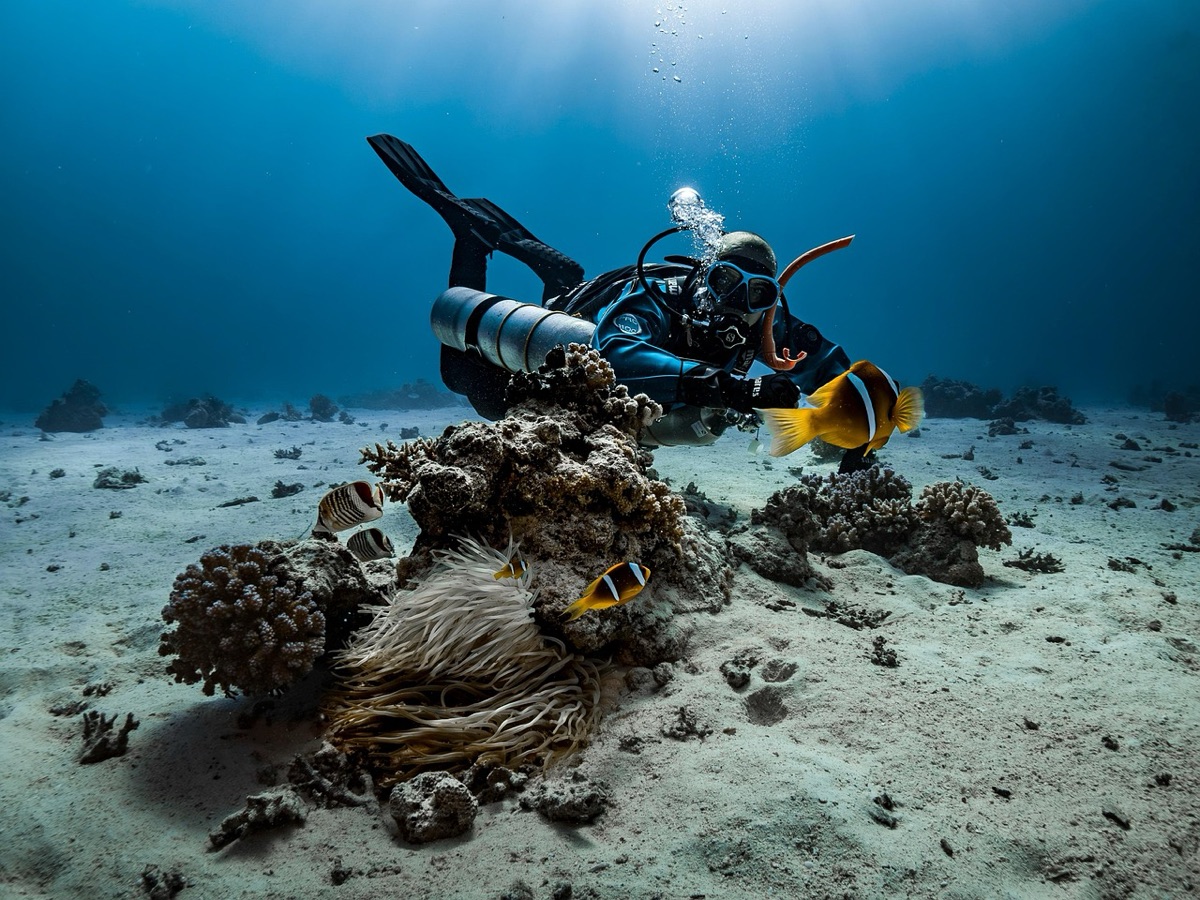
🐢 Encounters with Palau’s Residents: A Guide to Marine Life
You float on the surface, looking down at a massive brain coral that looks like a prehistoric sculpture. A school of neon-colored fish darts through the branches, momentarily obscuring your view before vanishing into the blue.
The coral itself is the foundation of everything you see. You will encounter various types, from branching acropora to massive, rounded brain corals. It is vital to remember that coral is a living animal, not a rock.
Never stand on a reef or touch the structures, as even a light touch can damage the polyps and lead to disease.
The "stars" of the show are often the larger inhabitants. While you might see various species of reef fish, look out for larger pelagics like Manta Rays or sharks that occasionally cruise the edges of the reef. When you encounter large animals, maintain a respectful distance.
If a Manta Ray approaches, stay still; let them come to you. Sudden movements can frighten them away or cause stress.
* Coral Fragility: Always maintain buoyancy. If you are a strong swimmer, use fins carefully to avoid kicking the reef. * Fish Behavior: Observe natural feeding habits. If you see a group of fish congregating, they may be feeding or cleaning. * Safe Distance: Keep a minimum of several feet between yourself and any marine life to prevent accidental injury or stress.
But how do you prepare for a trip that could happen any day of the year?
✈️ Planning Your Trip: Logistics & Eco-Commitment
You sit in a local cafe, looking at a weather map and a calendar. You realize that the perfect trip requires balancing the desire for clear water with the reality of tropical weather patterns.
Timing is a critical factor for a successful snorkeling trip. The dry season, typically from November to April, offers the best visibility and calmer seas, making it ideal for snorkelers. However, this is also the peak tourist season.
If you prefer fewer crowds and slightly lower prices, the shoulder seasons can be rewarding, though you may encounter more rain or wind.
The most important part of your planning is your commitment to the environment. The "Palau Pledge" is a signed promise to the nation to act in an environmentally responsible way. This includes:
- Using Reef-Safe Sunscreen: Only use mineral-based sunscreens (zinc oxide or titanium dioxide) that do not contain oxybenzone or octinoxate.
- Zero Waste: Bring reusable water bottles and minimize plastic use to prevent ocean pollution.
- Respecting Wildlife: Never feed the fish or take "souvenirs" like shells or coral fragments from the water.
When I first planned my own trip to the islands in 2025, I spent hours researching the exact tidal charts for the Rock Islands to ensure my kayak wouldn't get stuck in a shallow lagoon. It taught me that successful exploration is 50% preparation and 50% presence.
The transition from a visitor to a responsible traveler happens when you realize that your presence impacts the very beauty you came to see. By following these rules, you ensure that the underwater cathedrals of Palau remain vibrant for the next generation of explorers.
#




Comments 0