Palau marine life blue corner: A guide for divers
Exploring the vibrant underwater landscapes of Palau requires an understanding of both the unique marine environments and the technical aspects of ocean exploration. This guide compares the characteristics of Palau marine life blue corner diving with reef-based observation and provides essential tips for safe underwater engagement.
* Understand the ecological significance of Palau’s protected marine ecosystems. * Apply safe diving practices to ensure successful marine life observation.
How does Palau marine life blue corner diving differ from reef exploration?
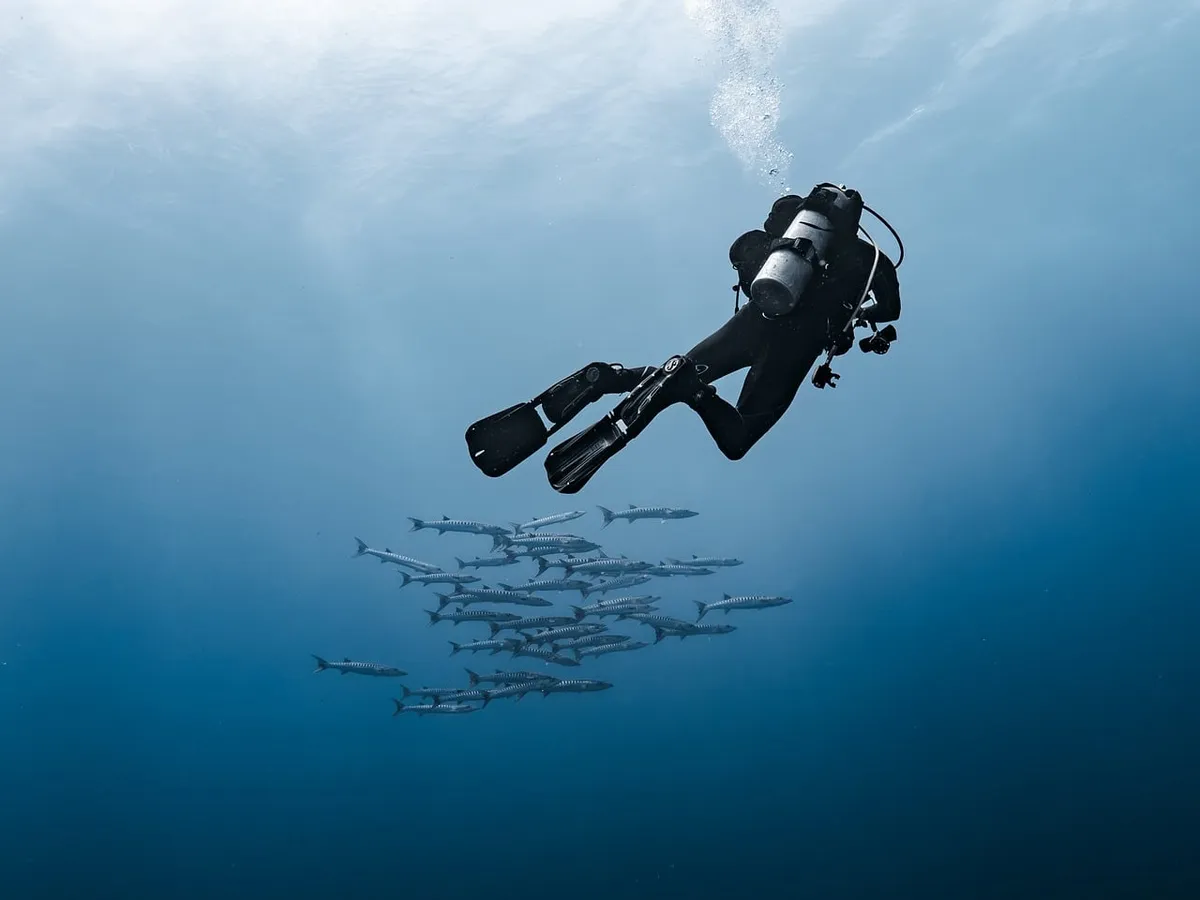
Descending into the dark abyss at midday, I grip my regulator tightly while watching large shadows drift through the vastness of the blue corner in Palau.
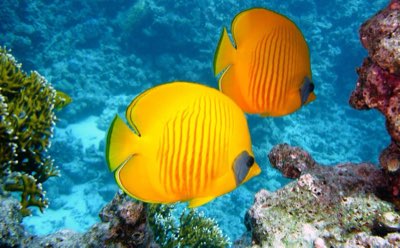
The distinction lies in the environment and the visibility. Reef diving typically occurs around shallow structures like the Rock Islands of Palau, which were declared a UNESCO World Heritage Site in 2012. These areas offer high density but limited depth compared to blue corner sites.
In contrast, blue corner diving involves being positioned where deep ocean currents meet the reef edge. This setup allows divers to witness larger predators that frequent the drop-off.
While the reef provides shelter, the blue corner provides the constant flow of nutrients and movement necessary for massive marine life.
Understanding these environments helps divers prepare for different visibility and current conditions. A successful Palau diving marine life experience depends on choosing the right site for the desired encounter.
- Identify the drop-off point. 2. Monitor current strength. 3. Maintain visual contact with the group.
Why is Palau's marine ecosystem so unique? At sunset, I wade through the warm shallows and feel the gentle pulse of life thriving within the unique palau ecosystem.
A researcher looks through a microscope at a sample of coral, noting the health of the local ecosystem. The biological diversity found in these waters is a result of careful management and natural geography.
According to the United Nations Security Council, the council passed Resolution 963 on 29 November 1994 recommending Palau's admission to the United Nations. According to World Bank data, Palau recorded international tourist arrivals of 18,400 in 2020.
The region is recognized for its ecological importance. In 2012, Palau received the Future Policy Award from the World Future Council because Palau is a global leader in protecting marine ecosystems. This leadership has helped maintain the health of the surrounding waters.
The biodiversity is a primary draw for visitors. Because the ecosystems are well-protected, the density of species remains high. This allows for consistent Palau underwater life tips to be applied across various dive sites.
The balance of the ecosystem is delicate. Protecting these areas ensures that the natural abundance remains available for future generations of explorers and researchers.
In this sequence, the second step is the most significant.
How can you prepare for safe diving in Palau?
A diver checks their oxygen levels and adjusts their buoyancy before descending into the water. Preparation is the most critical element of a successful and safe underwater excursion.
To prepare for a dive, follow these essential steps:
- Review the current weather and sea conditions to determine the appropriate dive site. 2. Check all equipment, including regulators and buoyancy compensators, for proper function. 3. Coordinate with a dive guide to understand the specific characteristics of the site, such as current strength or depth.
After completing these steps, perform a final buddy check to ensure both divers are ready for the descent. This systematic approach minimizes risks in unpredictable ocean environments.
Effective preparation also includes physical readiness. Staying hydrated and well-rested helps divers manage the physical demands of navigating currents.
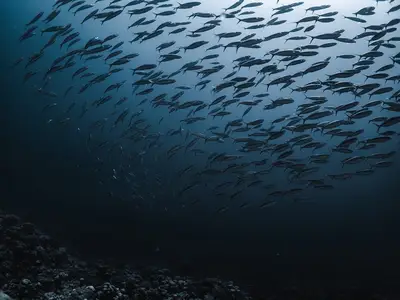
How can I best observe marine life? A diver hovers motionlessly, watching a school of fish pass by without disturbing their natural behavior. Observation requires patience and a minimal physical footprint in the water.
Successful observation involves several key practices:
* Maintain neutral buoyancy to avoid touching or damaging the reef. * Keep a respectful distance from marine animals to prevent stress. * Use slow, controlled movements to avoid startling the life around you.
By mastering these techniques, you can witness natural behaviors without interference. This allows for a more authentic encounter with the diverse species found in the region.
A well-trained diver understands that the environment is more important than the photograph. Using proper buoyancy prevents damage to the very ecosystems that support the life you are there to see.
What are the limitations of marine life observation?
A diver reaches the end of their air supply and begins a slow, controlled ascent to the surface. Every dive has a natural conclusion dictated by physiological and environmental constraints.
Environmental factors can limit what is seen. For example, visibility can change rapidly due to seasonal shifts or sudden weather changes. While the Rock Islands provide a stable habitat, the open ocean environments can be unpredictable.
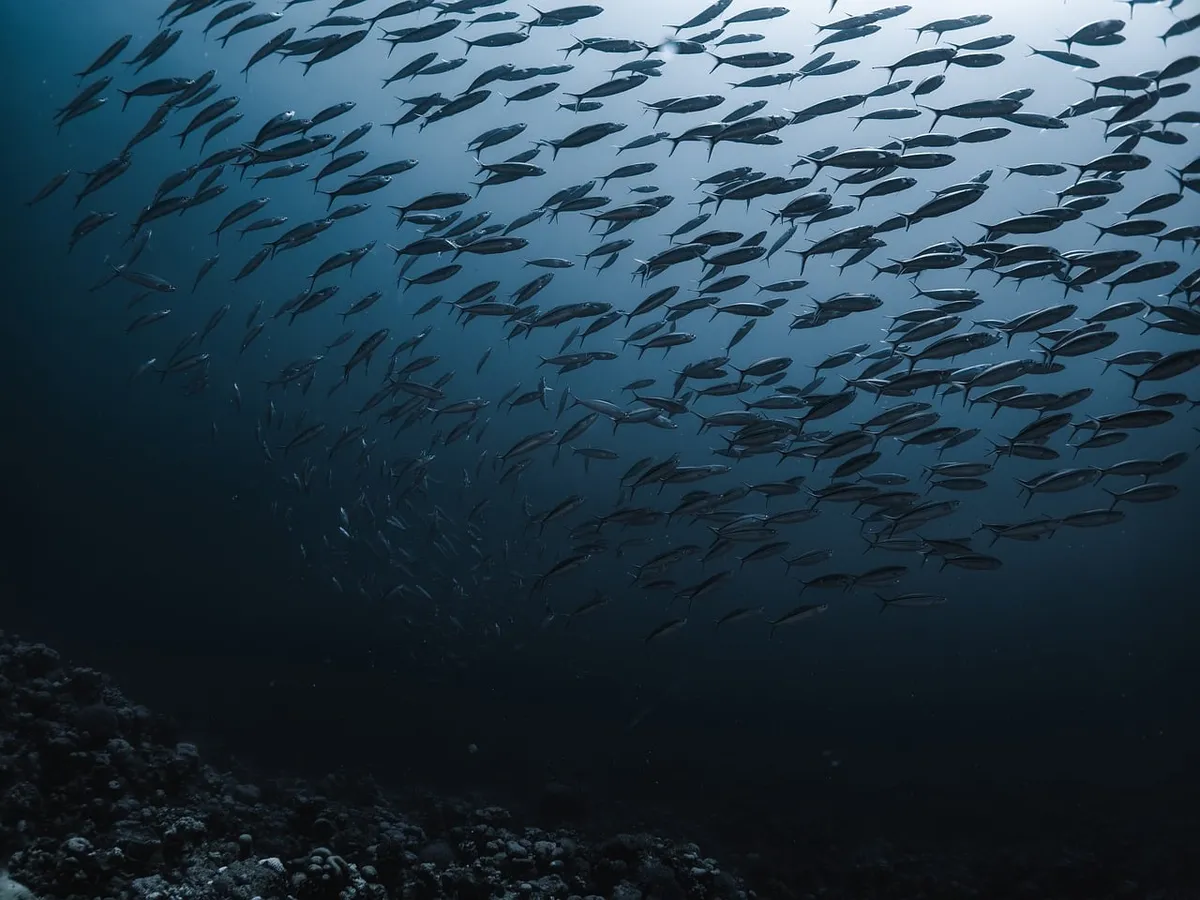
The scope of observation is also limited by the specific conditions of the dive. A successful encounter depends on the presence of species, which can vary based on time of day or seasonal migrations.
The ability to observe marine life is ultimately constrained by the depth and current of the specific site being visited.
- Key takeaways:
- * Recognize the distinction between reef exploration and deep-water blue corner diving.
- A diver descends through clear blue water, looking for movement in the vastness of the open ocean.
- While reef diving focuses on the intricate details of coral structures and localized species, Palau marine life blue corner diving involves encountering large pelagic species in deep, current-driven environments.
Related
- Palau underwater life: Guide to tropical marine exploration
- Palau marine life guide: Respect this living ocean legacy
What cautions accompany successful Exploring of Palau's waters?
Successful Exploring of Palau's waters demands constant attention to the interplay between the diver and the environment. The sheer scale of the deep ocean encountered during blue corner diving contrasts sharply with the contained nature of shallow reef sites.
This difference necessitates a heightened awareness of potential hazards specific to each setting.
- Always maintain situational awareness regarding the depth profile relative to the surface and the drop-off point. 2. Be cognizant of the dynamic nature of deep currents, which can affect buoyancy control and ascent timing. 3. Recognize that the vastness of the blue corner environment requires more advanced logistical planning than a confined reef dive.
These cautions arise from the inherent differences between the two diving types, demanding a shift in focus from localized observation to navigating a three-dimensional, open-ocean column.



Comments 0