Palau marine life guide: Respect this living ocean legacy
"The ocean is not just a backdrop; it is a living, breathing legacy that requires our respect and careful observation."
Understanding the Palau marine life guide requires recognizing the delicate balance of an ecosystem that serves as a global leader in protection. This guide covers the diversity of species, essential observation methods, and the importance of conservation-minded travel.
Key takeaways include understanding the unique status of protected waters, learning how to observe sea life without disruption, and recognizing the biological richness of the Rock Islands.
What makes the Palau marine life guide unique?
The blue water stretches toward the horizon as a diver prepares their gear in the warm tropical climate. This unique environment is shaped by the fact that Palau is a global leader in protecting marine ecosystems, according to the World Future Council.
This leadership ensures that the underwater world remains vibrant for those seeking a Palau marine life guide.
The diversity of the region is rooted in its status as a protected sanctuary. In 2012, the Rock Islands of Palau was declared as a UNESCO World Heritage Site. This designation highlights the ecological importance of the area, providing a massive natural laboratory for observing various species.
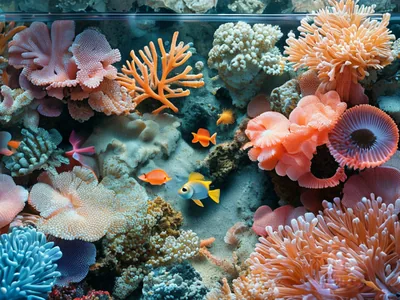
The environmental health of the region is a primary driver for tourism. Because of these protected areas, visitors can witness healthy coral reefs and diverse populations. A Palau ocean life guide often focuses on these pristine habitats which have been preserved through strict local policies.
How can you observe Palau underwater species safely?
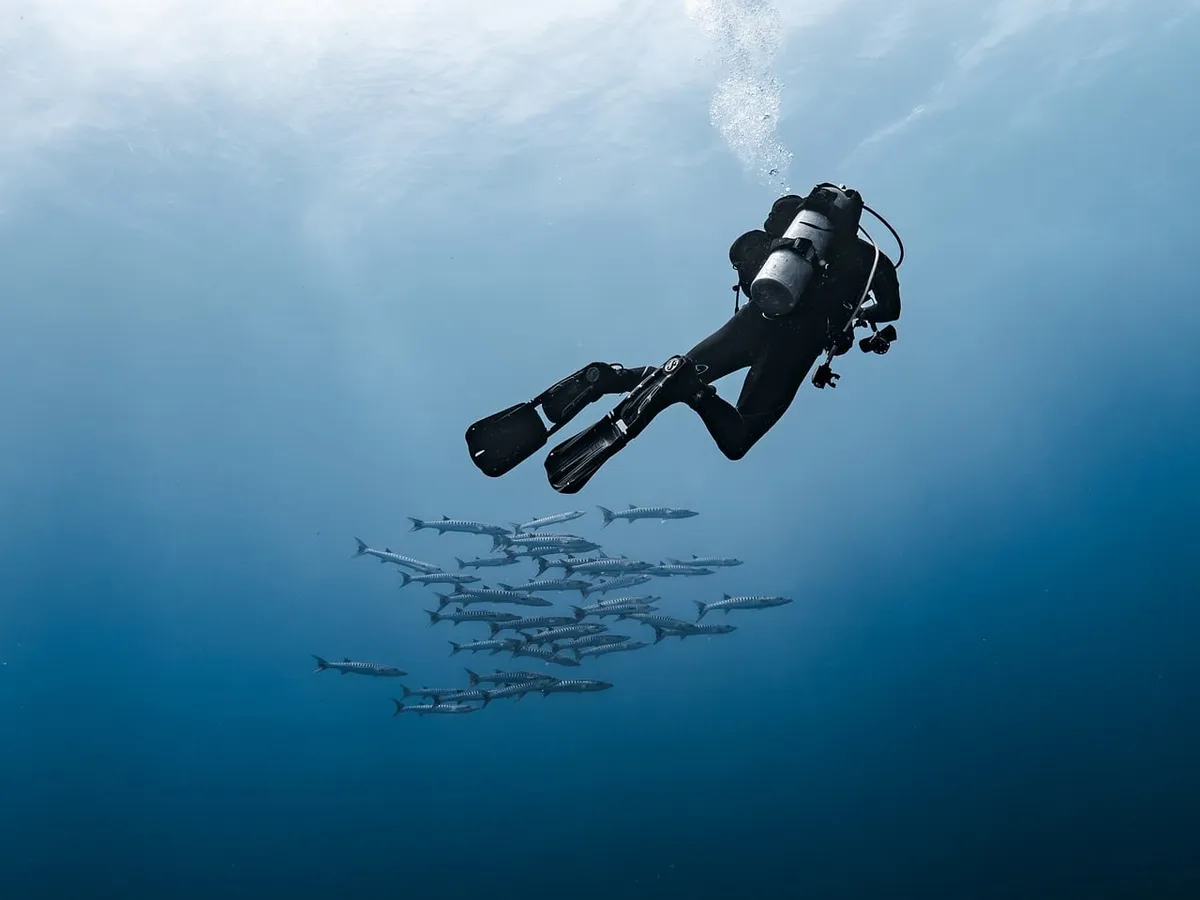
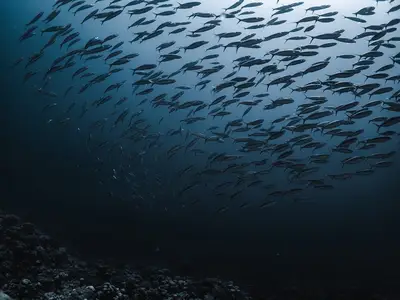
A diver descends slowly into the clear water, watching a school of fish dart through the sunlight. Observing Palau underwater species requires a balance of curiosity and restraint to ensure the environment remains untouched.
Following established protocols is the best way to witness natural behaviors without causing stress to the animals.
Maintaining distance is a fundamental rule for any visitor. Moving too quickly or attempting to touch the reef can damage fragile structures and frighten animals. A Palau sea creature guide always emphasizes that the observer should be a silent witness to the natural order.
Respecting the habitat is as important as respecting the animals themselves. Avoiding contact with coral prevents the spread of disease and physical damage to the reef. This careful approach ensures that the Palau marine ecosystem remains healthy for future generations.
What are the best ways to see sea life?
The sun glints off the surface as a boat glides over a reef slope. For those looking for the best ways to see sea life, understanding the natural rhythms of the ocean is essential. Different species appear at different times based on depth, temperature, and seasonal movements.
According to World Bank data, Palau recorded international tourist arrivals of 18,400 in 2020.
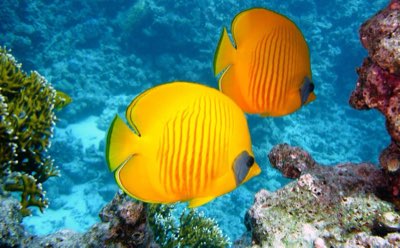
A Palau diving species list often includes apex predators and colorful reef dwellers. Observing these animals in their natural state requires patience and the right equipment. Using a mask and snorkel can provide a clear window into the diverse layers of the water column.
The visibility and temperature play significant roles in the viewing experience. With an annual mean temperature of 28 °C (82 °F), the water is consistently warm, making it accessible for many. This consistent climate allows for year-round opportunities to study various marine life.
How does conservation impact the Palau marine ecosystem?
A researcher takes notes while watching a turtle swim through a patch of seagrass. The health of the Palau marine ecosystem is a direct result of proactive management and international recognition. These efforts have turned the region into a sanctuary where species can thrive.
The scale of protection is significant for the region. In 2015, Palau became the first country to officially protect 80% of its water resources. This massive commitment provides a stable environment for the vast array of species found in the Pacific.
Such large-scale protection benefits both the local community and the global environment. This commitment to the sea ensures that the biological diversity remains intact. A Palau marine life guide is essentially a guide to a well-managed natural treasure.
What are the practical steps for a responsible visit?
A traveler checks their gear one last time before heading to the pier. To ensure a responsible visit, follow these three steps:
- Use reef-safe sunscreen to prevent chemical damage to the coral. 2. Maintain neutral buoyancy to avoid accidental contact with the seabed. - 3. Observe all wildlife from a distance without using attractants.
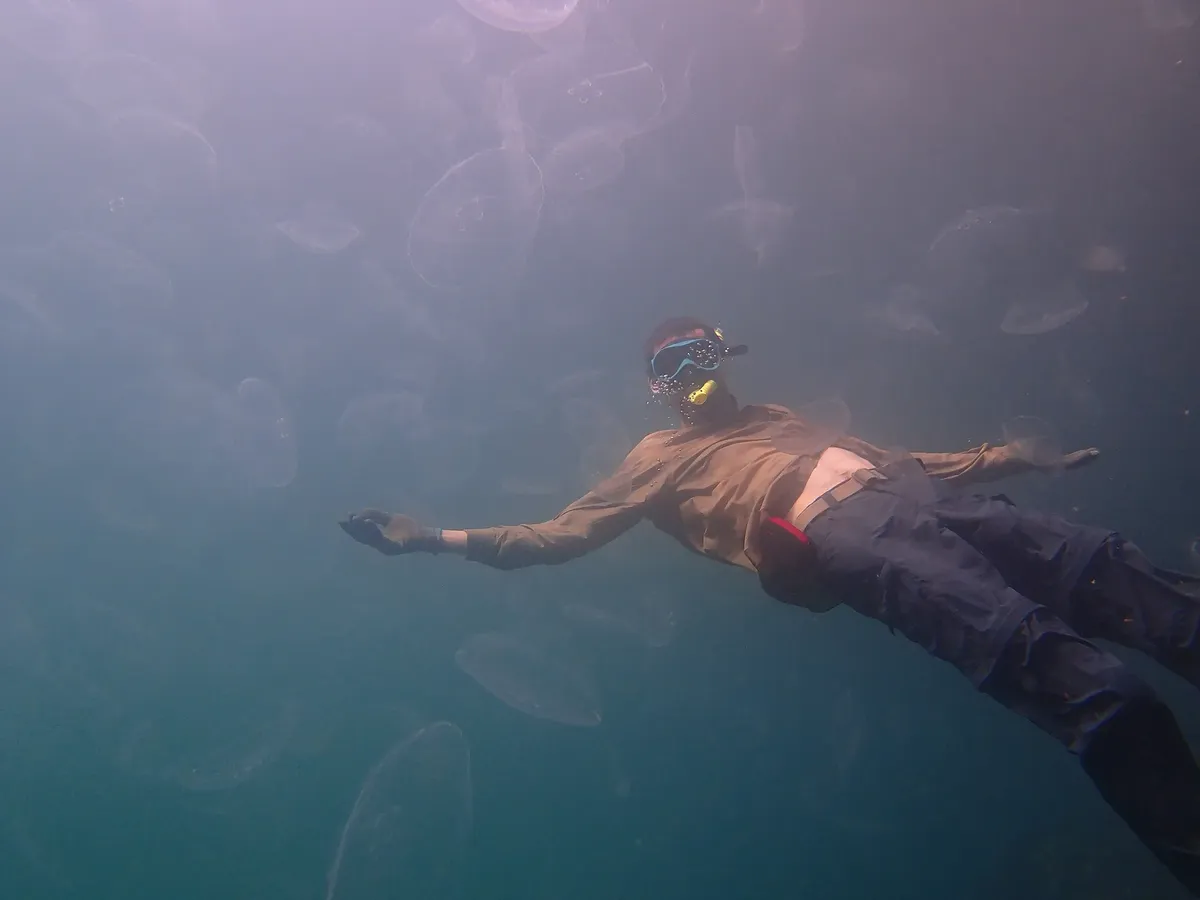
A final check of your equipment and your understanding of local rules ensures a safe trip. I always make sure to review the specific local regulations before entering the water to ensure my presence does not disrupt the natural balance.
A limitation of these observations is that specific species visibility can change based on heavy rainfall, which averages 3,800 mm (150 in) annually.
- What makes the Palau marine life guide unique?
- How can you observe Palau underwater species safely?
- What are the best ways to see sea life?
This part also covers How to observe Palau fish.
Related
- Palau marine life history: Guide to responsible observation
- Palau coral reef viewing: Guide to marine life
Why is the ocean such a critical backdrop? The ocean, in its entirety, serves as a dynamic backdrop to the incredible biological richness found in Palau. This vast expanse underscores the fragility of the ecosystem that has been successfully managed through strict local policies. The ocean itself is a living entity, not merely a passive setting for the marine life observed during a visit. According to the United Nations Security Council, Resolution 963 was passed on 29 November 1994, recommending Palau's admission to the United Nations.
This backdrop includes the coral reefs and the diverse populations they support. The health of this ocean backdrop reflects the success of the conservation measures put in place by the nation. The ocean's ability to sustain such life makes its preservation a global concern.
Understanding the ocean's role moves beyond aesthetics; it involves acknowledging its functional importance. The ocean provides the medium through which all these delicate interactions occur, demanding constant awareness from visitors.



Comments 0