Palau Bai culture guide: Traditions shape modern sovereignty
"The preservation of tradition remains the bedrock of our identity in an ever-changing world."
Understanding the nuances of Palau Bai culture guide requires a respectful approach to local customs and history. This guide helps travelers navigate the intersection of deep-rooted traditions and the modern sovereignty that defines the nation today.
Key takeaways include respecting historical transitions, understanding environmental leadership, and recognizing the significance of local heritage.
How does history shape the Palau Bai culture guide?
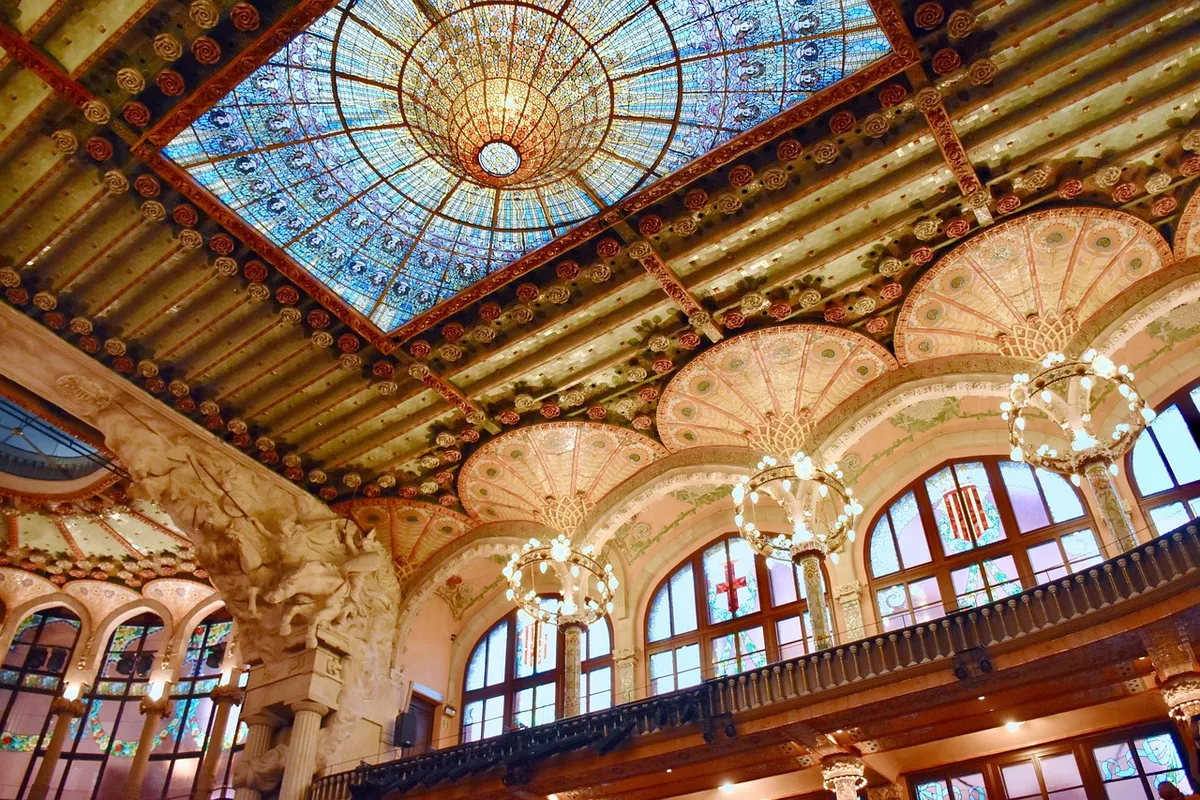
As I walk through the quiet streets of Koror at sunset, the heavy scent of rain reminds me of how history shapes the Palau Bai culture guide.
Walking through the quiet streets of Koror, one feels the weight of a nation that transitioned from trusteeship to independence on 1 October 1994.
This historic shift, following United Nations Security Council Resolution 956, concluded the transition for the last portion of the Trust Territory of the Pacific Islands to secure independence.
The transition to a sovereign state shaped the way local leadership and traditional meetings interact with modern governance. Understanding Palau traditional meeting involves recognizing how these historical milestones established the current social fabric.
While the compact of free association solidified independence, the underlying cultural values continue to influence how community decisions are made.
However, the application of these traditional customs may be limited in modern urban settings.
What defines the environmental legacy in Palau local customs guide?
At dawn, I stand on the salty shore and watch the waves roll in, realizing how the sea defines the environmental legacy in the palau local customs guide.
Standing on the edge of the turquoise sea, one observes the vast protected waters that define the archipelago. In 2005, Palau led the Micronesia Challenge, which aimed to conserve 30% of near-shore coastal waters and 20% of forest land of participating countries by 2020.
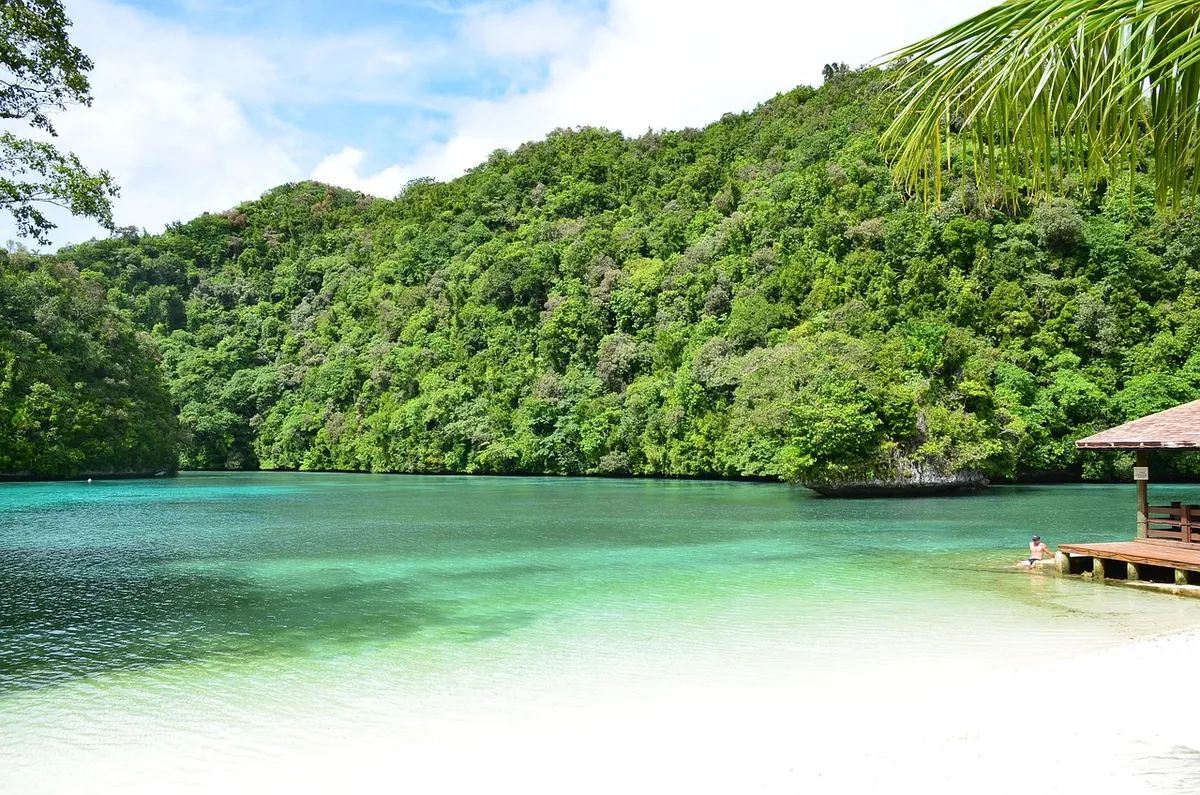
This commitment to conservation is a central pillar of the local identity. Understanding Bai culture means recognizing that the environment is not just a backdrop but a vital part of the community's heritage.
This leadership in conservation efforts ensures that the natural landscape, which is central to traditional life, remains intact for future generations.
However, the influence of these ancestral practices may vary depending on the specific island community.
According to World Bank, the 2024 record includes 83.9%.
How can travelers respect the natural heritage of the Rock Islands?
Looking out over the limestone formations, visitors see a landscape that was declared a UNESCO World Heritage Site in 2012. This designation highlights the unique geological and cultural importance of the region.
Maintaining respect for these sites is a crucial part of any Palau travel cultural enough. Visitors should treat these natural wonders as sacred spaces that reflect the deep connection between the people and their land.
This connection is a living part of the culture that travelers encounter when visiting local sites.
- Observe all local signage regarding protected areas.
- Minimize physical contact with coral reefs.
- Dispose of all waste in designated receptacles.
What is the scale of tourism in the region?
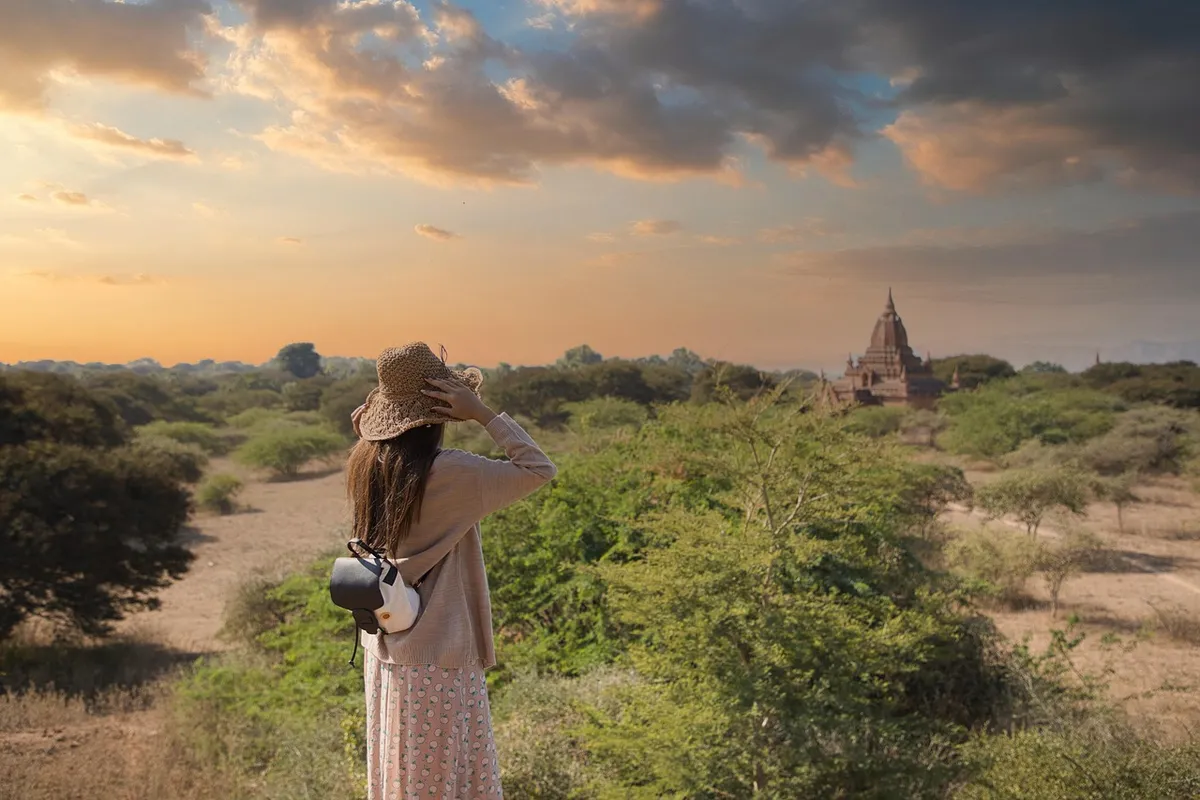
Checking arrival statistics at the airport, one realizes the ebb and flow of international visitors. According to World Bank data, Palau recorded international tourist arrivals of 18,400 in 2020.
While these numbers reflect specific global conditions, they highlight the importance of sustainable tourism. Visiting Palau local sites requires a balance between experiencing the beauty of the islands and minimizing the human footprint.
Managing these numbers is essential to preserving the very culture that draws people to the islands.
However, these trends may not apply during the off-peak travel seasons.
How do modern policies impact the local environment?
Observing the vastness of the ocean, one considers the massive scale of marine protection.
In 2015, Palau became a member of the Climate Vulnerable Forum under the chairmanship of the Philippines, and at the same time, the country officially protected 80% of its water resources, becoming the first country to do so.
This massive scale of protection is a testament to the nation's proactive stance on environmental issues. Such policies are integrated into the way the community views its relationship with the sea.
Travelers should approach these protected areas with the understanding that they are part of a significant global conservation milestone.
However, the effectiveness of these policies can be limited in remote areas without active enforcement.
What are the climate conditions for visitors?
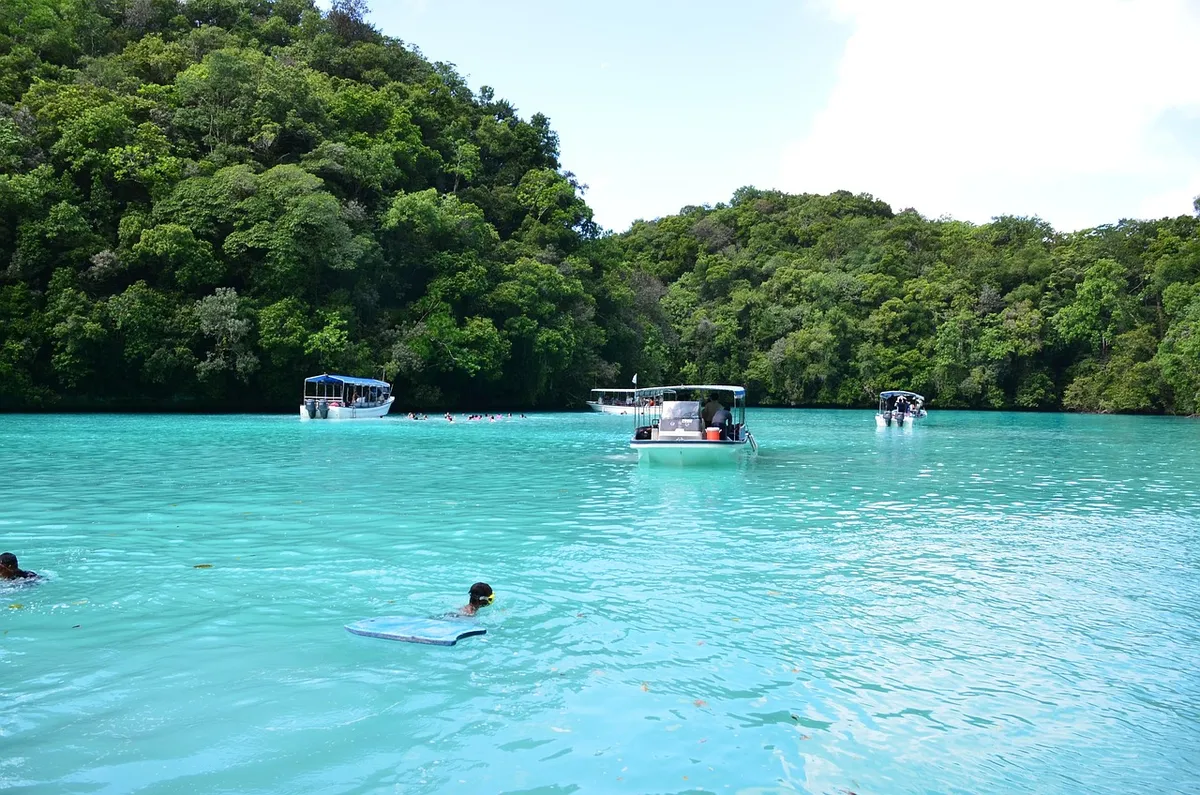
Feeling the warmth of the tropical air, one experiences the consistent climate of the islands. Palau has a tropical rainforest climate with an annual mean temperature of 28 °C (82 °F).
The weather plays a significant role in daily life and traditional activities. Rainfall is heavy throughout the year, averaging 3,800 mm (150 in).
Travelers should prepare for these conditions to ensure they can move through the islands comfortably while respecting the natural rhythm of the environment.
However, these conditions may change rapidly during sudden weather shifts.
The same subject is also called Bai meeting etiquette.
This part also covers Palau travel cultural tips.
Palau travel cultural tips
This part also covers Palau cultural policy info.
Related
- What 30 metres are the risks of deep water competition?
- Manta How to see manta in Palau: Observe feeding movements
How does the preservation of tradition intersect with modern governance?
The modern sovereignty of Palau is built upon the foundation of its deep-rooted traditions. The historical milestones, such as the transition to independence, illustrate how traditional ways of making decisions inform contemporary governance structures.
The compact of free association represents a modern agreement while still honoring the cultural values that guided the community before this agreement.
This interplay between the old ways and the new structures is vital to understanding the current social fabric. The continuity between traditional meetings and modern political processes shows how the preservation of tradition remains central to the nation's identity.
This continuity is not merely ceremonial; it is functional in contemporary decision-making.
What cautions should visitors observe regarding local customs?
Travelers must approach the local customs with deep reverence, understanding that they are not merely exhibits but living parts of the culture. The commitment to environmental leadership reflects a cultural value that transcends transient tourism interests.
Visitors should recognize that the land and sea are integral to the community's heritage, not just scenic backdrops.
Respecting the sacredness of the Rock Islands, which hold both geological and cultural weight, is paramount. This deference to the land mirrors the deep connection the Palauan people maintain with their environment.
Such mindfulness aids in the successful preservation of tradition amidst global change.



Comments 0