Palau Marine Life: A Biodiverse Sanctuary of the Pacific
"In the blue heart of the Pacific, every descent feels like entering a living masterpiece that has been breathing for millennia."
If you are traveling to Palau in 2026, you aren't just visiting an island chain; you are entering one of the most biodiverse marine sanctuaries on the planet.
Whether you are a technical diver looking for deep-water giants or a snorkeler hovering over a vibrant reef, the life beneath the surface is the true reason to make the journey.
* Palau offers a massive spectrum of marine life, from tiny nudibranchs to massive pelagic predators. * The archipelago's unique geology creates diverse habitats, including deep trenches and shallow, sun-drenched lagoons. * Responsible tourism and strict environmental protocols are essential to preserving this delicate ecosystem.
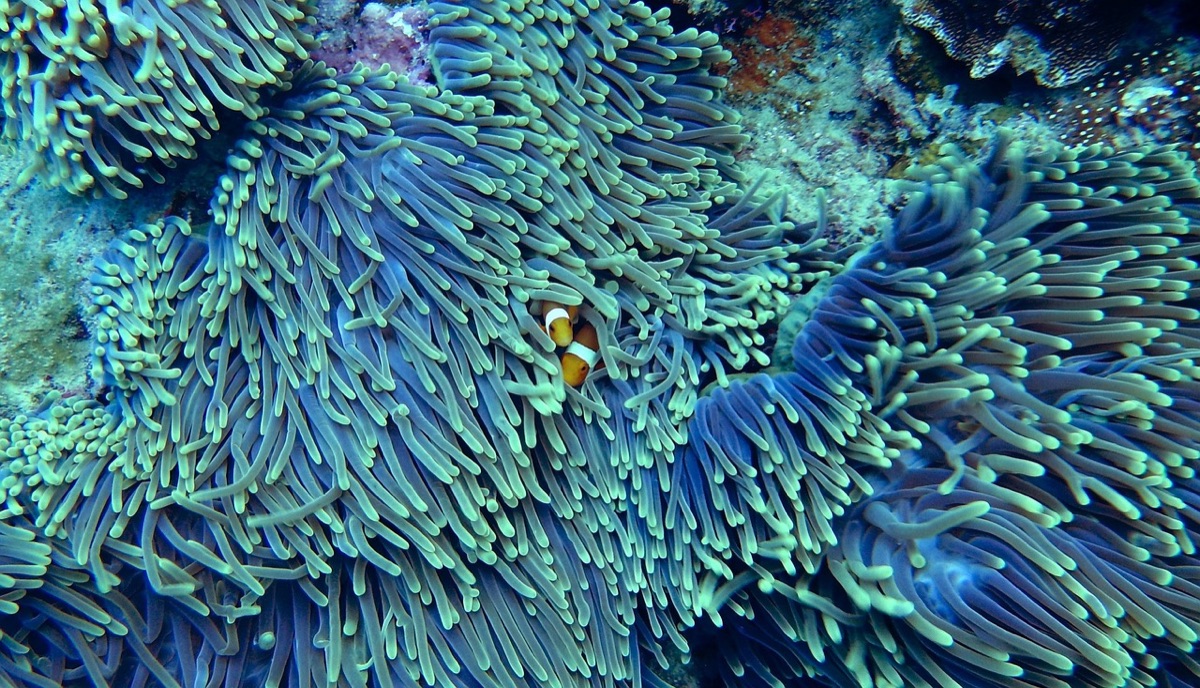
What makes Palau's marine ecosystem so unique? The sun hits the water at a sharp angle in the morning, turning the turquoise lagoon into a sheet of liquid glass. As you dip your mask into the water, the transition from the warm air to the cool, salt-heavy embrace of the ocean is immediate.
The sheer variety of life in Palau is a result of its unique geological positioning. The archipelago sits atop a complex volcanic foundation, creating a mix of steep drop-offs and sheltered lagoons.
This variety of depths and current speeds allows for a massive range of habitats to exist in close proximity. While the deep waters of the Palau Trench host large, migratory species, the shallow reefs provide nurseries for thousands of smaller organisms.
Climate plays a vital role in this biological engine. In 2025, environmental surveys noted that Palau maintains a tropical rainforest climate with an annual mean temperature of 28 °C (82 °F).
This consistent warmth provides the perfect energy source for massive coral growth, which in turn forms the architectural foundation of the entire ecosystem.
Furthermore, the local culture has long respected the ocean's boundaries. The spirit of marine preservation is woven into the social fabric, much like the traditional stone money of Yap or the local respect for ancestral waters.
This cultural ethos aligns with the modern designation of large Marine Protected Areas (MPAs), which shield these waters from overfishing and industrial interference. This protection ensures that the "living museum" remains intact for generations.
But understanding the geology is only the beginning; you have to meet the residents to truly understand the scale of this world.
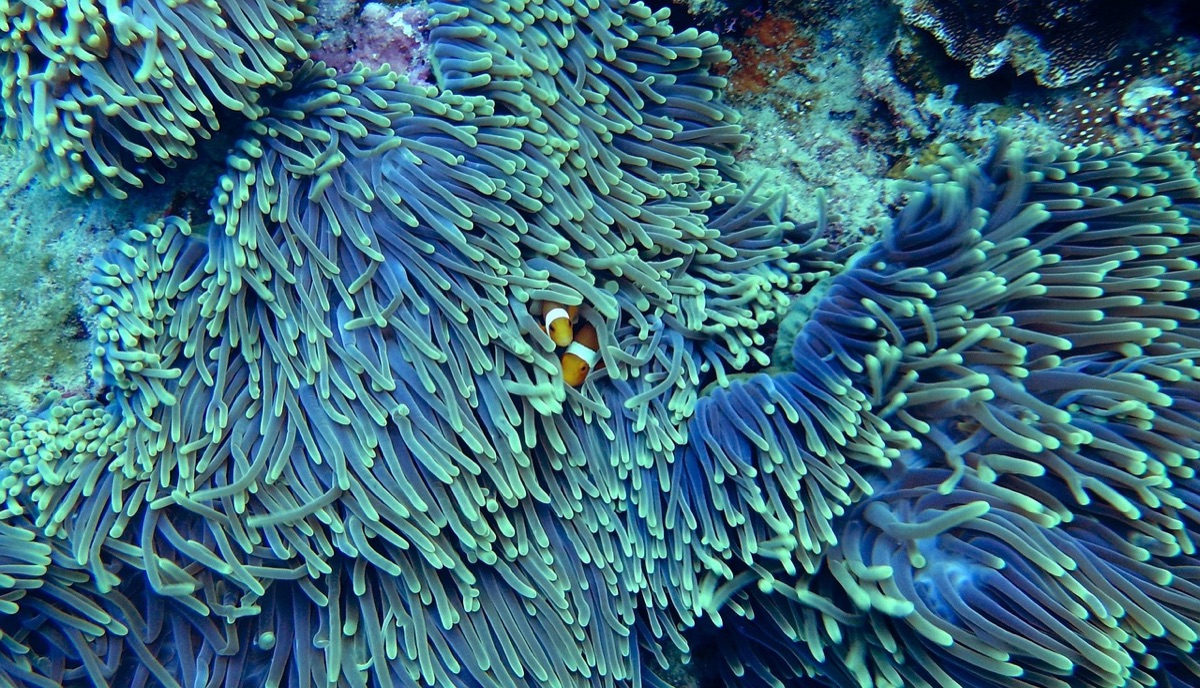
Who are the residents of Palau's waters? A heavy dive tank rests on your shoulders as you descend, the sound of your own breathing filling your ears. As you level off at 10 meters, a school of fusiliers streaks past, momentarily turning the blue water into a shimmering silver curtain.
The inhabitants of Palau can be categorized by how they use the water column. The reef itself is built by corals—the living architects of the sea. These are not just rocks, but colonies of tiny polyps that build calcium carbonate structures.
You will see massive brain corals that look like topographical maps and delicate staghorn corals that reach toward the light like underwater forests. These structures provide the essential hiding spots and hunting grounds for almost everything else in the water.
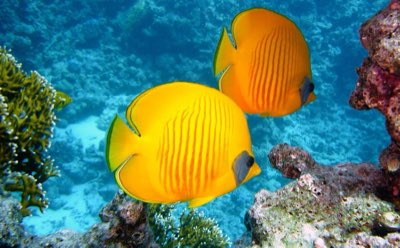
The fish population is equally diverse, split between reef-dwellers and pelagics. Reef-dwellers, such as butterflyfish, angelfish, and parrotfish, stay close to the coral architecture, often engaging in colorful displays of territoriality.
In contrast, the pelagics—the wanderers of the open ocean—patrol the edges of the drop-offs. This is where you encounter the heavy hitters: sharks, jacks, and occasionally, the magnificent Manta Rays.
For those seeking the ultimate encounter, the Manta-seeking protocol often involves finding specific cleaning stations or current-swept plateaus.
Seeing a Manta Ray glide through the water is a lesson in effortless grace, but it requires patience and a deep understanding of how these animals interact with local currents.
While the large predators command attention, there is another layer of life that often goes unnoticed by the casual observer.
Beyond the Big Fish: Smaller wonders of the depths
The light filters down in dancing rays, illuminating a tiny, neon-colored creature clinging to a sponge. You lean in closer, careful to maintain your buoyancy, as you realize you are looking at a tiny masterpiece of evolution.
While the big fish grab the headlines, the "macro" life of Palau offers a different kind of wonder. This includes nudibranchs—vibrantly colored sea slugs that look like something out of a science fiction film.
These tiny creatures are often the highlight for macro photographers, as their intricate patterns and bright colors are designed to warn predators of their toxicity.
One of the most famous biological phenomena in the world is found in Jellyfish Lake. This marine lake is home to millions of stingless jellyfish that have evolved in isolation. Because they have no natural predators in the lake, they have lost their ability to sting.
This unique evolutionary quirk allows humans to swim among them, though it requires extreme care to avoid disturbing their delicate life cycle.
Beyond the jellies, the symbiotic relationships in the water are constant. You might see a cleaner shrimp setting up a "station" on a coral head, where larger fish line up to have parasites removed. These tiny interactions are the glue that holds the complex food web together.
For snorkelers, these smaller wonders are often more accessible and just as mesmerizing as the larger sharks.
But how do you choose between a high-adrenaline dive and a quiet snorkel?
Navigating the underwater experience: What to see & where to see it
You stand on the deck of a dive boat, the salt spray hitting your face as the captain points toward a dark blue patch in the distance. The crew begins prepping gear, knowing that the current is about to pick up.
Choosing where to go depends entirely on your skill level and what you want to see. To help you decide, look at this comparison of common experiences:
| Feature | Reef/Lagoon Snorkeling | Advanced Dive Sites |
|---|---|---|
| Depth Range | 1–10 meters | 20–40+ meters |
| Primary Targets | Colorful reef fish, sea turtles, jellies | Sharks, Mantas, large schools of jacks |
| Skill Required | Low (Swimming proficiency) | High (Buoyancy & current control) |
| Physical Effort | Moderate | High (due to currents/gear) |
If you are looking for high-energy encounters, sites like Blue Corner are legendary. Here, the current can be strong, requiring divers to "hook" into the reef to stay in place. This is where you see the sharks and large pelagics patrolling the edge of the reef.
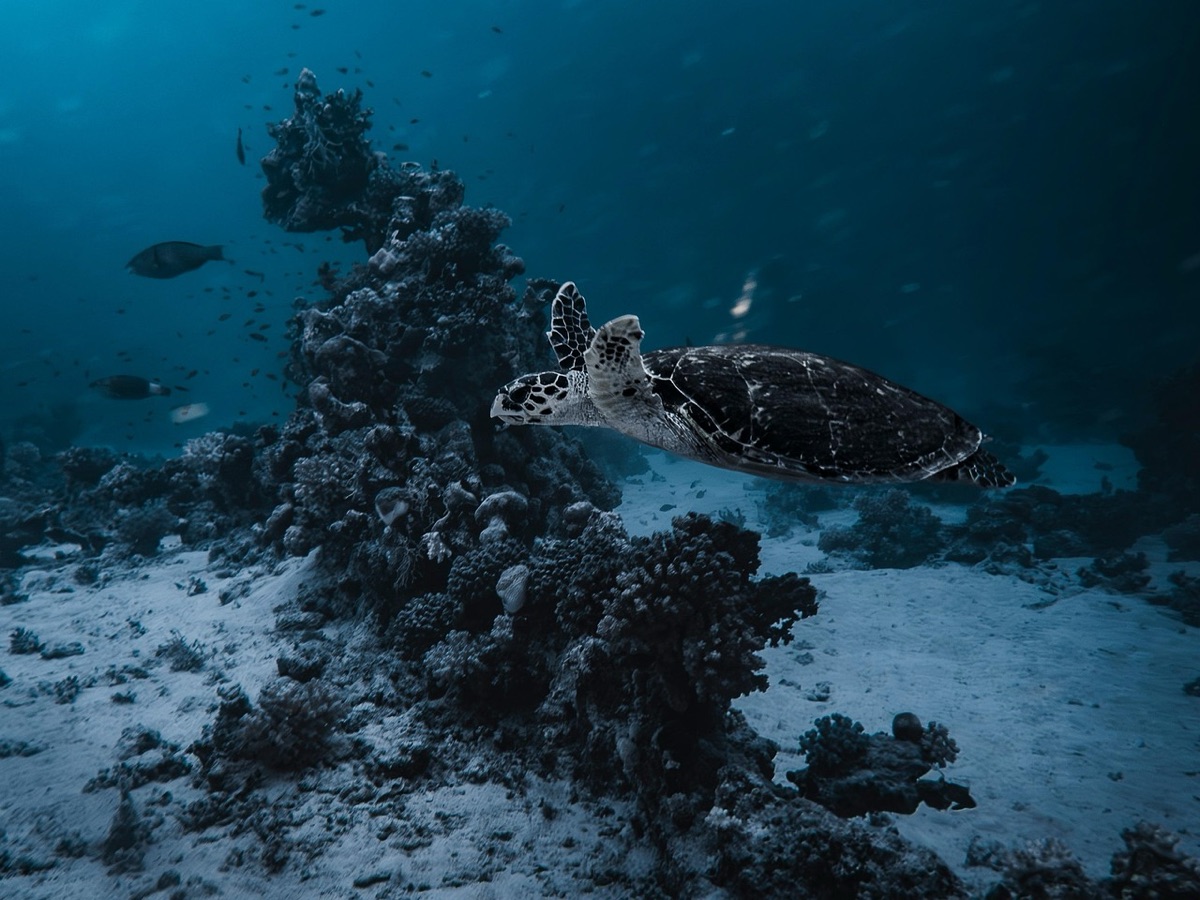
For those who prefer a calmer setting, the various lagoons and shallow reef flats offer incredible visibility and a chance to see sea turtles and various reef fish without the struggle of heavy currents.
Seasonality also plays a role. While the water remains warm year-round, certain species may be more prevalent during specific months. It is always wise to consult with your local dive guide to match your itinerary with the current biological calendar.
However, beauty this profound comes with a heavy responsibility.
Responsible exploration: Protecting Palau's living museum
You reach out to touch a piece of coral, but then you stop. You remember the rules: look, but do not touch. You adjust your fins to avoid kicking the seabed, mindful of the fragile life beneath you.
The beauty of Palau is fragile. Because the ecosystem is so concentrated, human impact can be felt quickly. Following environmental codes of conduct is not just a suggestion; it is a requirement for visiting these waters.
- Never touch the wildlife: Even a light touch can damage the protective mucus layer on a fish or a coral polyp.
- Master your buoyancy: Poor buoyancy control leads to accidental contact with the reef, which can kill coral colonies that took decades to grow.
- Use reef-safe products: Traditional sunscreens often contain chemicals like oxybenzone that cause coral bleaching. Only use mineral-based, reef-safe alternatives.
- No feeding: Feeding fish disrupts natural hunting and foraging behaviors, which can lead to an imbalance in the local population.
The Palauan people have a deep-seated commitment to marine preservation. By following these rules, you are honoring both the local culture and the biological necessity of keeping these waters healthy.
Planning your encounter: Making the most of your trip
The sun begins to set over the horizon, casting a golden glow over the islands. You sit on the porch of your bungalow, looking over your photos and planning your next move.
When I first traveled to the islands, I realized that a successful trip required more than just a plane ticket; it required a strategy. To maximize your chances of seeing the most incredible marine life, follow these steps:
- Time your visit: While the water is always warm, certain seasons bring better visibility or specific migrations. Research the best months for Manta or shark sightings before booking.
- Match your skill to the site: Don't attempt high-current sites like Blue Corner if you aren't a confident diver. Match your certification level to the environment to ensure a safe and enjoyable experience.
- Book professional guides: Local guides know the current patterns, the seasonal movements of fish, and the hidden corners of the reef.
- Diversify your itinerary: Combine high-adrenaline dives with relaxed snorkeling days to see the full spectrum of life.
By planning with intention, you ensure that your trip is not just a vacation, but a profound encounter with the natural world.
#




Comments 0