Manta How to see manta in Palau: Observe feeding movements
"The ocean's gentle giants glide through the blue, offering a silent dance of grace and power to those lucky enough to witness them."
Finding the right moment to witness these magnificent creatures requires patience, environmental awareness, and a deep respect for their natural behaviors. This guide covers the essential conditions for a manta ray encounter in Palau, including behavioral cues and necessary preparation.

Key takeaways include understanding feeding movements, respecting their natural space, and recognizing the unique marine environment of the Rock Islands.
How to see manta in Palau?
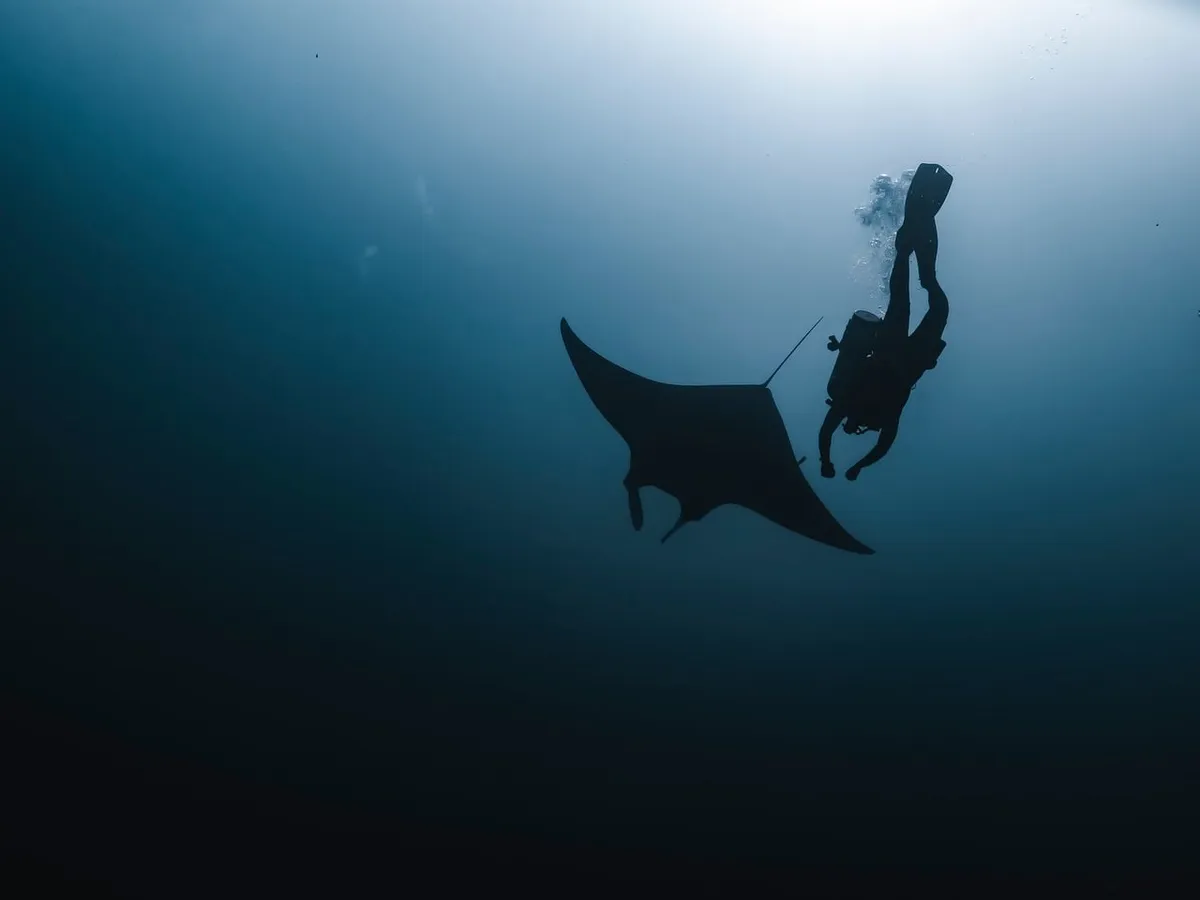
A diver descends into the clear blue water, scanning the horizon for a sudden shadow beneath the surface. To successfully find these animals, one must understand their feeding patterns and the specific locations where they congregate.
The standard method of feeding for a lone manta is simply swimming horizontally, turning 180 degrees to feed in the other direction. Observing these rhythmic turns can help you predict their movement through the water column.
Understanding these patterns is a vital part of any Palau manta ray diving experience.
- Book a liveaboard or a dedicated dive tour.
- Check the seasonal weather patterns in Palau.
- Coordinate with local dive guides for current sightings.
Where can I find the best manta ray dives? The sunlight filters through the surface, illuminating a vast expanse of turquoise water where currents meet. Finding the right spot often involves locating areas where nutrient-rich water allows these animals to feed effectively.
Mantas often engage in unique movements during their feeding sessions to manage their health. For instance, mantas can remove internal parasites by sticking their intestines up to 30 cm (12 in) out of their cloaca and squeezing them out, often while defecating.
Watching for these unusual behaviors can lead to a more intimate Palau manta ray spotting experience.
In this sequence, the first step is the most essential.
Where are the typical manta ray spots in Palau? The boat glides over a reef, and the captain points toward a patch of deep water where the current pulls strongly. These specific areas are often where the animals gather to feed or clean themselves.
Divers frequently observe diverse acrobatic displays during these encounters. Up and down movements, sideways tilting and 360 degree somersaults are also observed. Seeing these maneuvers in person makes for an unforgettable Palau manta ray encounter.
What is the guide for manta ray snorkeling tips?
A snorkeler floats on the surface, peering through a mask at the life moving just below the waves. Success in these shallow or mid-depth environments depends on remaining still and not disrupting the animal's natural flow.
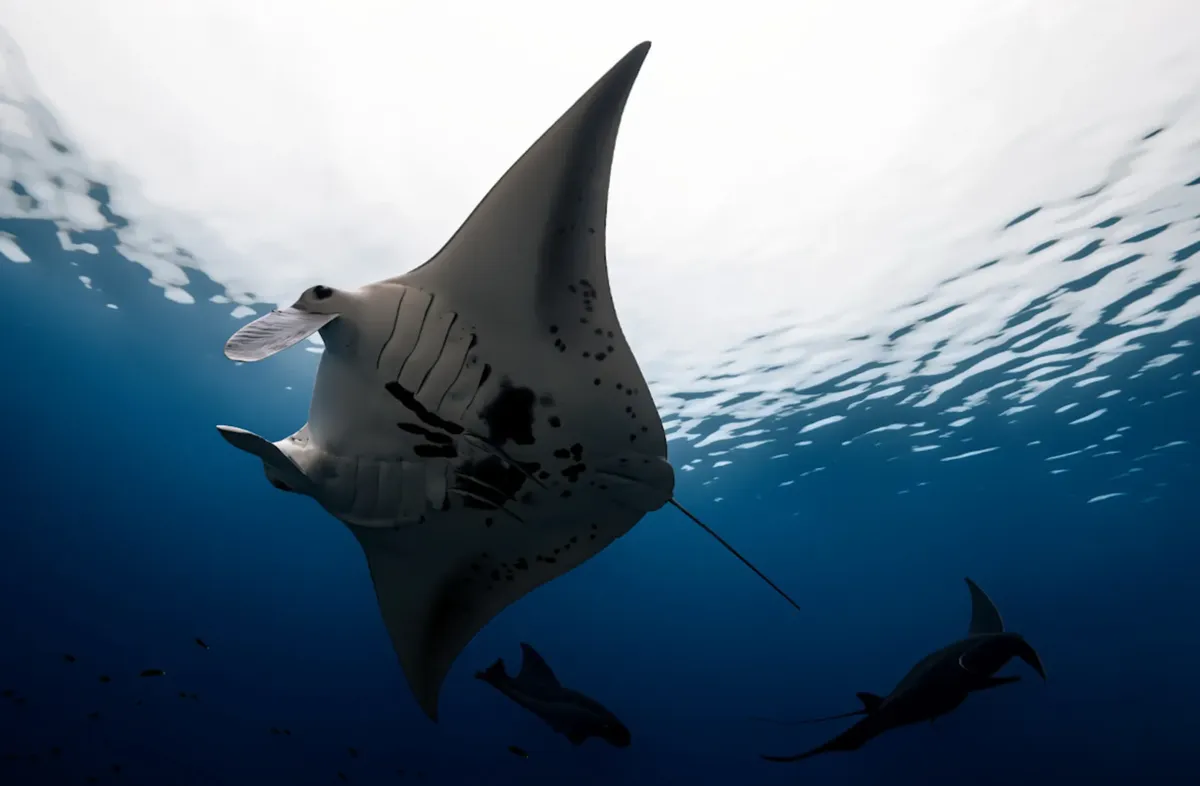
When observing, it is important to notice how they navigate the water to maintain stability. In both species, the width is about 2.2 times the length of the body. Keeping this proportion in mind helps in identifying the size and health of the animal from a distance.
How to find mantas in Palau through observation?
The water is still, and the only sound is the rhythmic breathing of the diver through a regulator. To find them, you must look for the subtle shifts in the water column that indicate a large body moving nearby.
By watching for the subtle movements of their wings, you can often track their path before they become fully visible. This process of visual tracking is a fundamental part of any Palau marine life guide.
What are the limitations of a manta encounter?
A diver waits patiently, but the current grows too strong, and the visibility begins to drop. While much can be learned through observation, nature remains unpredictable. According to World Bank data, Palau recorded international tourist arrivals of 18,400 in 2020.
According to the United Nations Security Council, the United Nations Security Council passed Resolution 963 recommending Palau's admission to the United Nations on 29 November 1994.
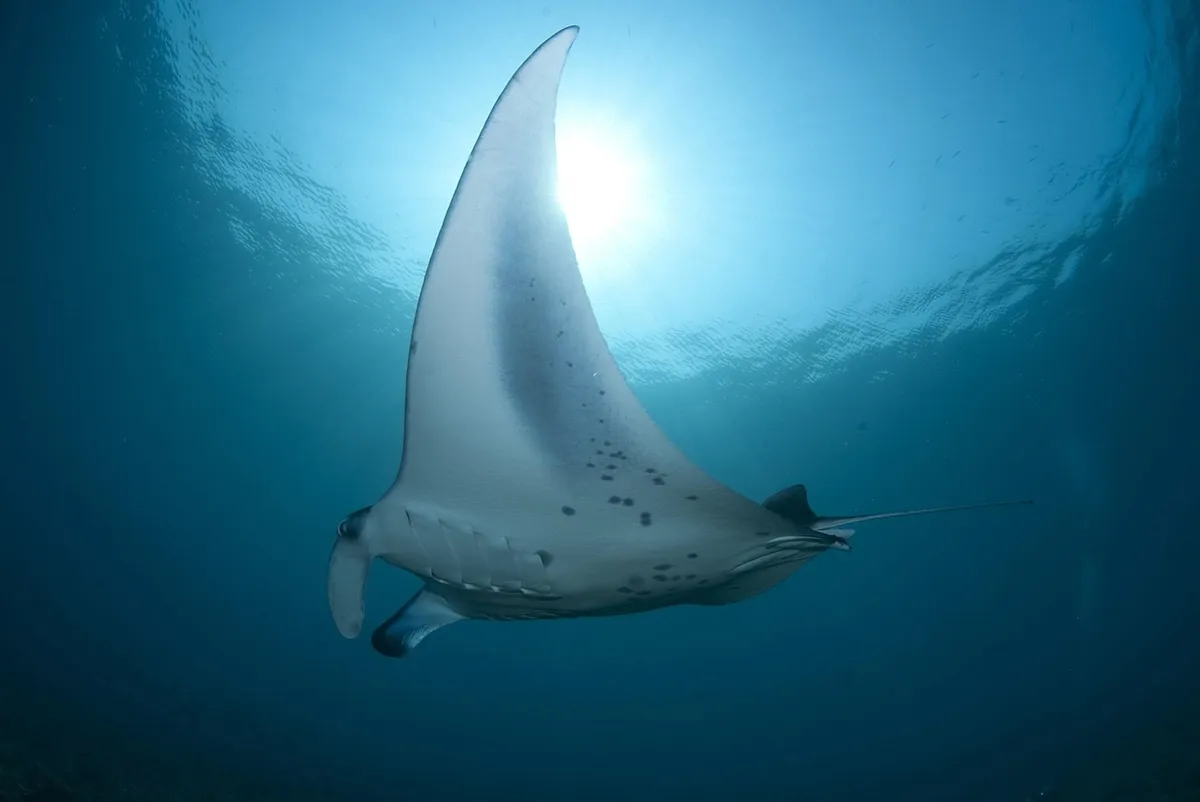
The success of an encounter is limited by environmental factors such as current strength and water clarity. Because these animals are wild, their presence cannot be guaranteed regardless of the preparation.
The subject here is How to see manta in Palau.
The same subject is also called Finding mantas in Palau.
The same subject is also called Palau manta ray spots.
The same subject is also called Manta ray encounter Palau.
This part also covers Best diving for mantas.
Related
- What 30 metres are the risks of deep water competition?
- Palau population religion: Arrivals of 18,400 guide


Comments 0