Diving guide: Best time for Palau's 28 °C waters
"The ocean remains a constant, shifting canvas of light and current, where the timing of the tide meets the clarity of the blue."
Planning a trip to experience the legendary Blue Corner requires understanding the unique intersection of seasonal weather and maritime conditions. To find the Palau diving best time, travelers must balance visibility with the natural rhythms of the Pacific.
This guide examines the climate, seasonal shifts, and environmental factors that define the optimal period for underwater exploration.
Key takeaways: * The tropical climate maintains warm temperatures year-round, facilitating consistent diving. * Rainfall patterns peak between June and October, affecting visibility and surface conditions. * Environmental protection efforts contribute to the health of the marine ecosystems.
When is the best time to go diving in Palau?
As the sun crests the horizon, I grip the boat railing and prepare for diving into the warm, turquoise depths. A diver stands on the deck of a boat, watching the sun crest over the horizon as the swell gently nudges the hull. Finding the right window for an excursion depends on the interplay between sunlight and rainfall.
The Palau diving best time is often dictated by the balance of light and water clarity. While the islands maintain a tropical rainforest climate with an annual mean temperature of 28 °C (82 °F), the weather fluctuates.
Although rain falls more frequently between June and October, there is still much sunshine. This seasonal pattern means that while wet months bring more frequent precipitation, they do not entirely obscure the underwater experience.
The Blue corner diving season is influenced by these same atmospheric shifts. Because rainfall averages 3,800 mm (150 in) annually, divers must account for runoff that can occasionally impact visibility.
However, the consistent warmth ensures that the water remains inviting for those seeking the perfect dive.
The best time to visit is generally from December to May when the weather is dry and the seas are calm.
How do seasonal changes affect the Blue corner diving season? Palau diving best time
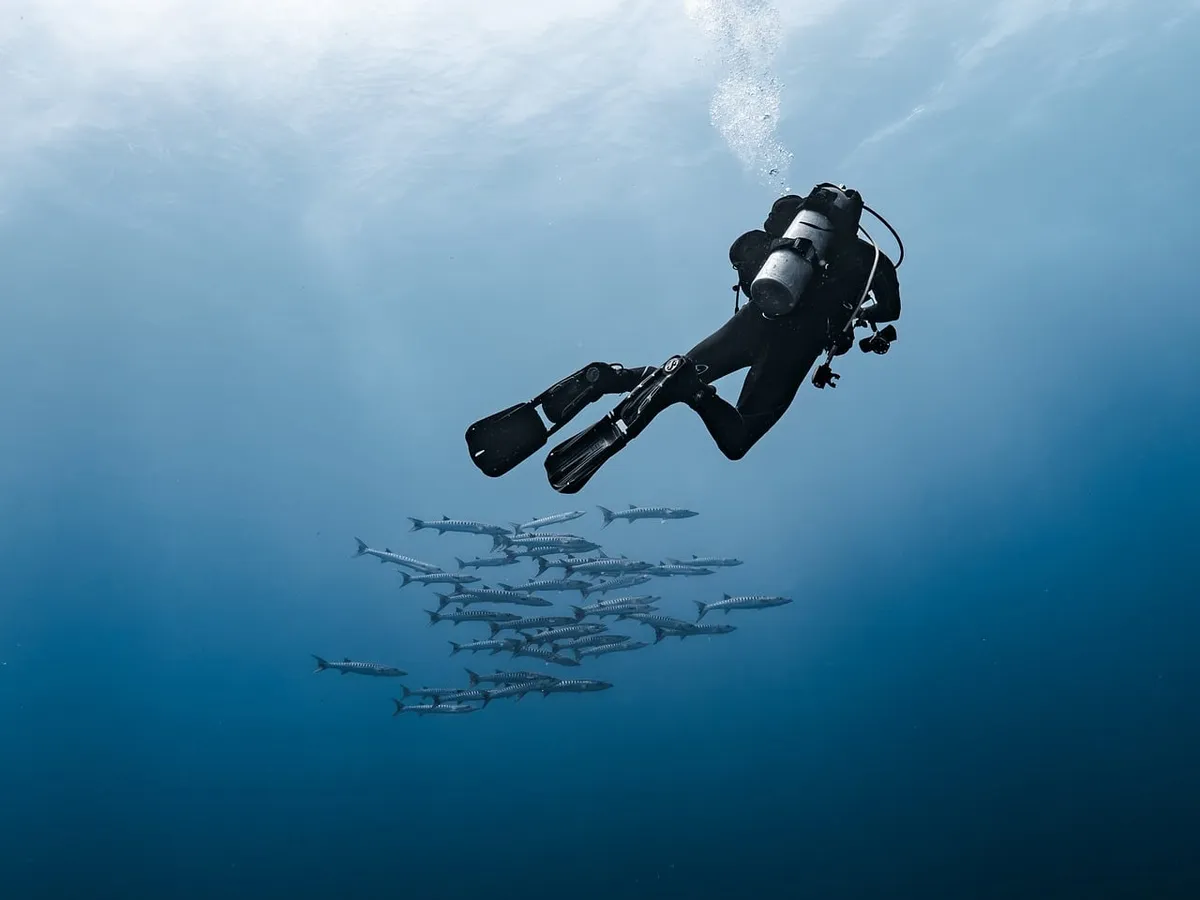
A diver adjusts their mask, peering through the crystalline water toward the drop-off where the current begins to surge. The movement of the water changes as the seasons transition. According to World Bank data, Palau recorded international tourist arrivals of 18,400 in 2020.
The Blue corner diving season is characterized by varying levels of surface activity and light penetration. During the months with higher rainfall, the surge of water can bring different nutrients and life to the area.
Divers looking for a specific Blue corner diving season might find that the interplay of light and current varies based on these monthly weather shifts.
The Blue corner diving season remains productive throughout much of the year due to the stable temperature. While the wetter months bring more frequent rain, the presence of sunshine remains a significant factor for visibility.
Understanding these nuances helps divers prepare for the specific conditions they will encounter during their trip.
Seasonal shifts bring different currents and visibility levels to the Blue Corner, affecting the types of marine life encountered.
Is there an optimal period for diving in Palau? A traveler checks the weather forecast on a tablet, comparing the humidity levels to the planned dive schedule. The humidity is a constant factor in the Pacific.
Establishing a Palau dive optimal period involves looking at the humidity and rainfall. The average humidity is 82%, which can make the air feel heavy during the wetter months.
For those seeking a Palau dive optimal period that maximizes sunshine, the months outside the peak rainy window may offer more consistent light.
The search for the best window often leads divers to weigh the pros and cons of different months. While the wetter season brings more rain, it does not prevent high-quality diving.
Divers often find that the most vibrant marine life is present when the currents are most active, regardless of the month.
While any time is suitable, the dry season offers the most consistent conditions for divers.
When is the best time for Palau dive planning?
A diver packs their gear, ensuring all equipment is ready for the upcoming underwater adventure. Planning requires foresight regarding the environment.
Successful trip organization involves understanding the local climate to determine the best time for Palau dive planning. Since rain is frequent between June and October, travelers might prefer to visit during other times of the year to ensure more sunshine.
However, the tropical climate ensures that the water temperature remains stable.
Effective planning also considers the environmental landscape. Because the islands have a tropical rainforest climate, the humidity and rainfall are significant factors to consider. Integrating these weather patterns into a schedule allows for a more predictable and enjoyable diving experience.
Plan your trip several months in advance to secure preferred accommodations and dive guides during the peak season.
What are the environmental factors for Dive Palau prime timing?
A researcher notes the health of the coral reefs, observing the vibrant life that thrives in protected waters. The environment is the foundation of the dive.
Achieving Dive Palau prime timing requires an appreciation for the marine environment. The health of the reefs and the movement of the currents are central to the experience.
Divers looking for Dive Palau prime timing must consider how the annual rainfall and current movements affect the visibility and biological activity.
The environmental conditions are shaped by the local climate and conservation efforts. With an annual mean temperature of 28 °C (82 °F), the environment is consistently warm. This stability supports the diverse marine life that makes the region a premier destination for underwater exploration.
Water temperature, lunar cycles, and seasonal current shifts are the primary environmental factors to consider.
How to prepare for the dive?
A diver sits on the edge of the boat, carefully checking the fit of their wetsuit and the seal of their mask. Preparation is the key to safety and enjoyment.
To prepare for the dive, follow these steps:
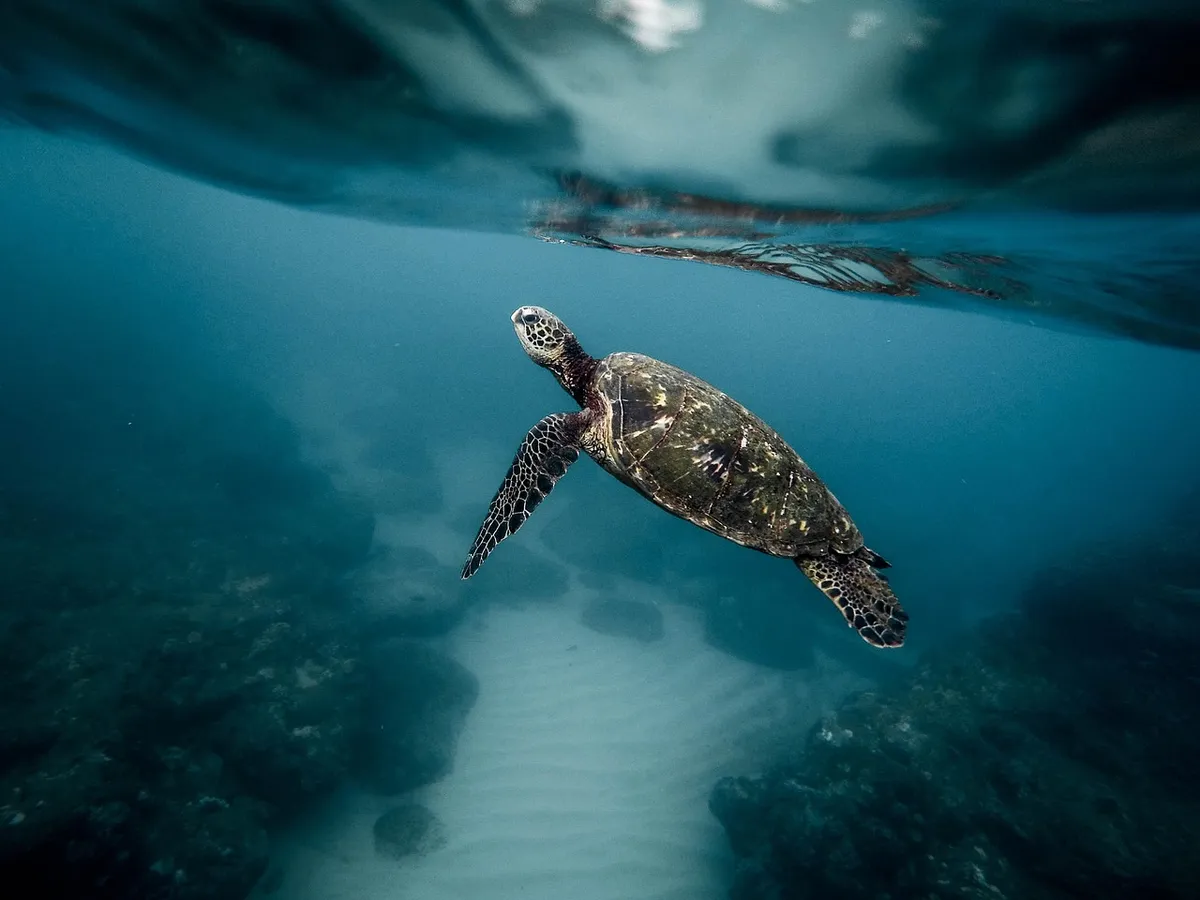
- Check the local weather forecast to understand the expected rainfall and humidity. 2. Pack appropriate gear to handle the 82% average humidity and tropical warmth. 3. Verify the dive plan with local guides to account for current and visibility changes.
Always perform a final check of all equipment before entering the water. I remember checking my regulators twice before my first descent to ensure everything was perfectly sealed.
A limitation of these seasonal observations is that local weather can change rapidly, making exact visibility difficult to predict.
- Check your gear for maintenance needs.
- Review local dive site depth limits.
- Confirm your travel insurance covers diving activities.
- In this sequence, the second step is the most important for safety.
This part also covers Palau diving conditions guide.
This part also covers Palau dive planning tips.
Related




Comments 0