Palau Rock Islands: Your Ultimate Dive & Snorkel Guide
"The limestone towers rise from the turquoise water like sleeping giants, guarding a world that feels entirely separate from the rest of the planet."
If you are staring at a map of Palau wondering whether to spend your days under the waves or floating on the surface, the Rock Islands are the answer to both. This archipelago offers a dual identity that satisfies every level of adventure, from casual snorkelers to technical divers.
Key Takeaways * Rock Island is the heart of Palau’s marine magic, offering distinct experiences for both divers and snorkelters. * Planning requires distinguishing between surface-level sightseeing and high-current deep dive logistics.
* Strict adherence to the Palau Marine Sanctuary regulations is mandatory to protect this fragile ecosystem. * This guide balances technical dive requirements with accessible sightseeing options for all travelers.
Why Rock Island? Your First Look at Palau’s Marine Gem
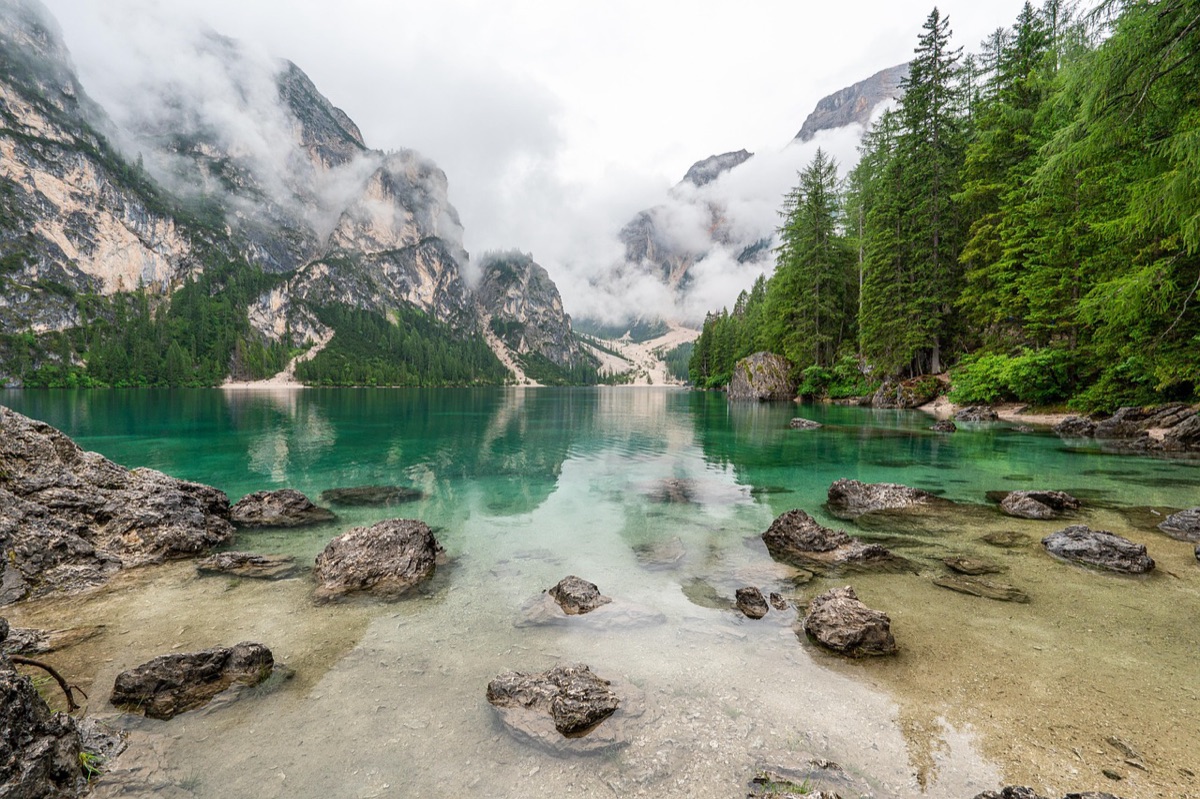
The sun hits the limestone cliffs at 8:00 AM, turning the jagged peaks a pale gold against the deep blue of the Pacific. You stand on the deck of a moving boat, feeling the salt spray hit your face as the archipelago unfolds.
Rock Island is not just a single destination; it is a sprawling collection of ancient limestone islands that form a natural fortress of biodiversity. The draw lies in the sheer verticality of the landscape, where lush greenery meets crystal-clear water.
In 2026, as travel to the Pacific continues to surge, these islands remain a pristine sanctuary of evolution.
For some, the attraction is the ability to drift over vibrant coral gardens; for others, it is the thrill of navigating high-current channels where apex predators roam. The ecosystem here is a masterpiece of evolution.
You will find massive plate corals, intricate sea fans, and a staggering variety of reef fish that thrive in the nutrient-rich waters.
Many travelers ask if Palau is worth the journey if they aren't professional divers. The answer is a resounding yes. The surface-level beauty of the lagoons and the unique biological phenomena found in the lakes make it a bucket-list destination for anyone.
Accessing these islands typically requires a boat charter or a guided tour, as most of the remote spots are inaccessible by land. You cannot simply drive to a beach here; you must navigate the water to reach the magic.
But as beautiful as the surface is, there is a much more intense reality waiting just below the waterline.
For the Surface Explorer: Jellyfish Lake & Sightseeing Tours
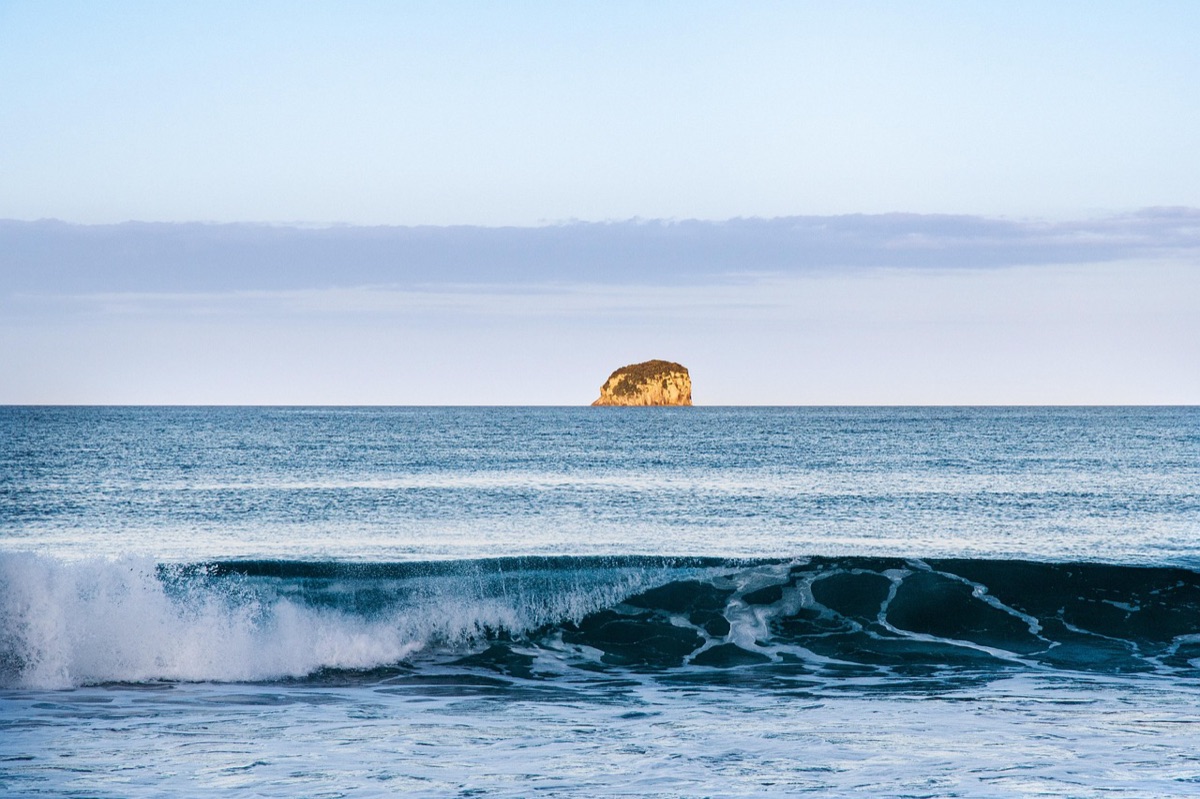
The water in the lake is warm and still, a stark contrast to the choppy waves of the open ocean. As you step off the boat, you see thousands of golden-hued creatures pulsing rhythmically through the water.
Jellyfish Lake is one of the most surreal environments on Earth. To experience it, you must follow strict protocols to protect the resident golden jellyfish. The timing is critical; you want to arrive during the morning hours when visibility is high and the water is calm.
In the summer of 2025, visitor numbers peaked, making it vital to follow the exact group sizes permitted by local authorities.
Because these jellyfish have lost their ability to sting due to a lack of predators, they are sensitive to human interference. Visitors must move slowly and avoid touching the organisms or the lake bed. For those who prefer to stay above the water, non-diver adventures are plentiful.
High-quality snorkel gear is a requirement, as you will often be looking down into deep blue pockets.
In areas where the water is calmer, kayaking and Stand-Up Paddling (SUP) allow you to explore the narrow channels between the limestone pillars. When booking tours, you will encounter different pricing tiers.
Some operators offer "all-inclusive" day trips that cover transport, lunch, and multiple stops, while others provide more specialized, single-site excursions.
I remember my first time stepping into that water; the sheer density of the golden jellies felt like swimming through a living cloud. It is a moment that stays with you long after you leave the docks. However, the quiet of the lake is nothing compared to the rush of the deep.
For the Dedicated Diver: Beyond the surface swim
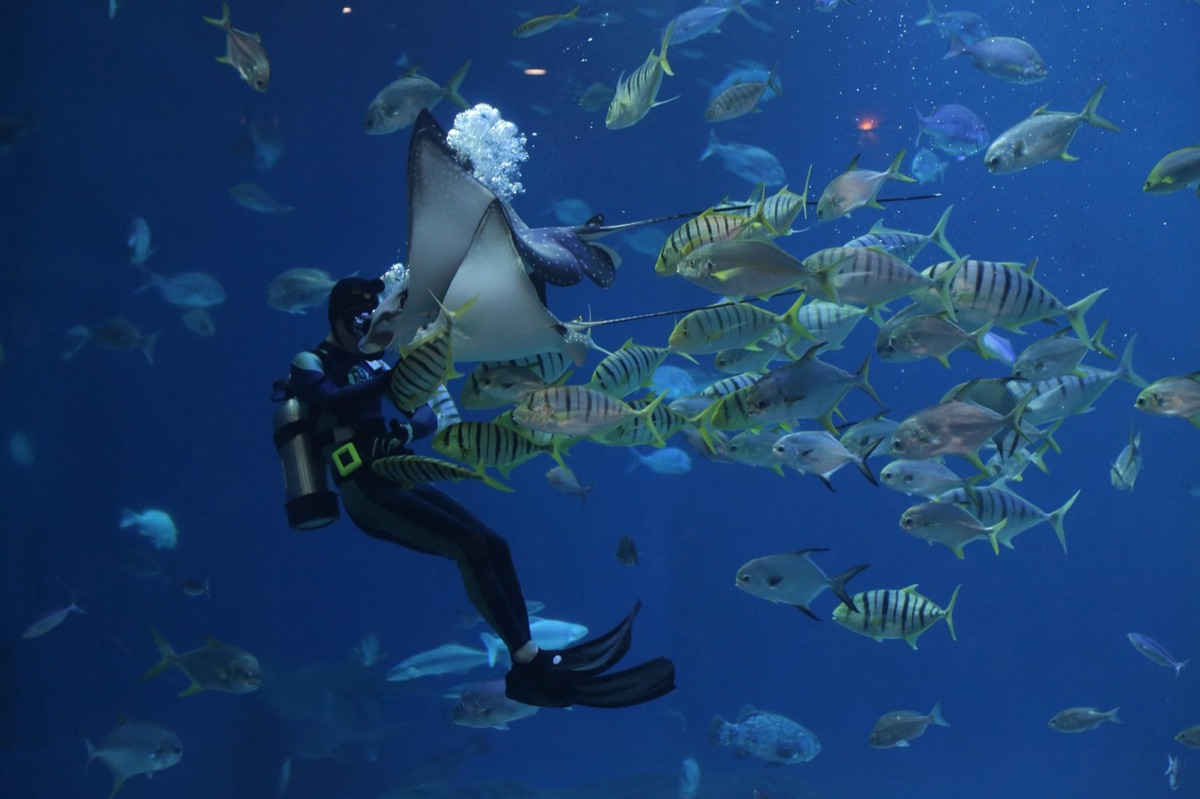
The sound of bubbles fills your ears as you descend, and suddenly, the sunlight is filtered through a thick, blue veil. You check your pressure gauge and look at your buddy, preparing for the current.
While the surface is beautiful, the real magic of the Rock Islands often happens below the waterline. Specific dive sites near the islands, such as the famous Blue Corner, offer an entirely different level of excitement.
In these areas, the current can be strong, pulling you along a ridge where large sharks and schools of jacks congregate.
Planning a dive in Palau requires more than just a tank and a mask. You need to consider your certification level; many of the best sites require an Advanced Open Water certification due to depth and current.
Decompression considerations are vital, especially if you plan on doing multiple dives a day. It is standard practice to allow for significant surface intervals to ensure safety.
When selecting a dive operator, look for those who prioritize equipment maintenance and guide expertise. A good guide doesn't just point at fish; they understand the current patterns and can position you perfectly for the best sightings. Safety is the absolute priority.
Always adhere to decompression protocols and follow the marine park rules regarding buoyancy. Maintaining perfect control over your movement prevents accidental contact with the delicate coral structures. But before you can dive into the blue, you have to handle the logistics of the land.
Planning Your Perfect Trip: Pre-Visit Checklist & Logistics
You sit at a small wooden table in a seaside cafe, a notebook open in front of you, marking off tasks with a pen. The humidity is high, but the breeze is refreshing.
Before you even step foot on a boat, you must understand the environmental requirements. Palau is a leader in marine conservation, and visitors are expected to follow the Environmental Pledge.
This includes using only reef-safe sunscreen, never touching the coral or marine life, and following "no take" policies.
Your booking timeline should account for the fact that the best dive boats and specialized tours often fill up months in advance. In 2026, travelers are finding that securing a reputable guide requires planning at least 4 to 6 months ahead of departure.
While last-minute options exist, you risk missing out on the top-tier guides.
| Category | Estimated Cost Range (USD) | Best For |
|---|---|---|
| Full-Day Sightseeing Tour | $150 - $250 per person | Families & Snorkelers |
| Professional Dive Charter | $250 - $400 per person | Scuba Divers |
| Private Boat Charter | $500 - $800 per day | Small Groups/Photographers |
To decide your itinerary, follow these essential steps:
- Verify Certifications: Ensure your scuba certification is current and that you have the necessary level (Advanced/Nitrox) for your planned sites.
- Check Gear Requirements: Confirm if your operator provides rental gear or if you need to pack your own high-quality mask and fins.
- ly.
- Book Seasonally: Aim for the November to April window to secure the best visibility and weather.
- Prepare Environmental Kits: Pack reef-safe sunscreen and reusable water bottles to comply with local sustainability efforts.
When I planned my own trip, I spent three days just researching current patterns to ensure I wouldn't miss the shark migrations. It is a lot of work, but the payoff is incomparable. Do you want to drift with the current or float with the jellies?




Comments 0