80% Protected: Understanding Palau's Marine Sanctuary Laws
"We do not inherit the earth from our ancestors; we borrow it from our children."
To visit Palau is to step into a living, breathing masterpiece of natural engineering, but that masterpiece comes with a set of non-negotiable rules designed to keep it from crumbling.
If you want to see the vibrant corals and massive schools of fish that make this archipelago famous, you must understand that you are a guest in a highly regulated sanctuary.
* Palau has proactively protected 80% of its water resources, setting a global standard for marine conservation. * Visitors must adhere to strict national protocols regarding touching, collecting, or disturbing marine life and sensitive zones. * Understanding the difference between various protected areas is crucial for a responsible and legal visit. * Compliance with environmental codes is not optional; it is the price of admission to one of the world's most pristine ecosystems.
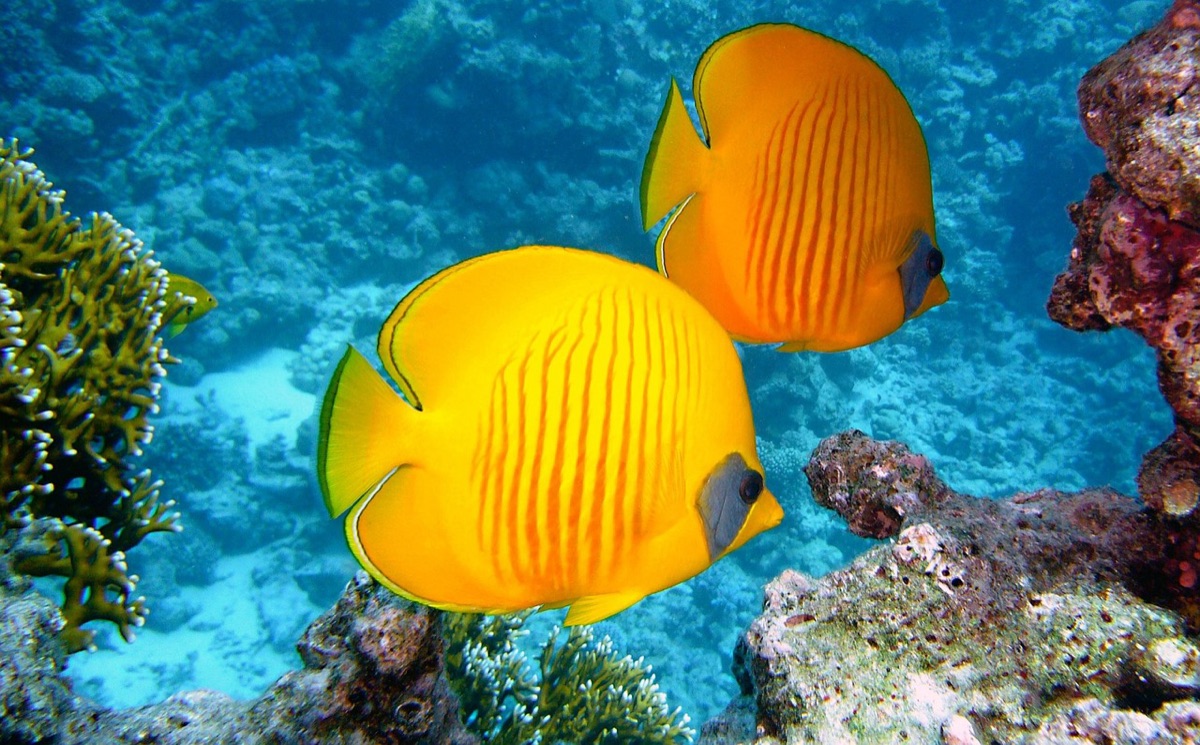
Why is Palau's Marine Protection So Important?
The sun hit the deck of a wooden boat in Koror at 8:30 AM, making the salt-crusted wood warm under my palm as we prepared to head out toward the Rock Islands. The water below was so clear it felt as though the boat were hovering in mid-air over a silent, blue abyss.
According to the Compact of Free Association, Palau will receive more than $450 million in assistance over 15 years.
Under the terms of the Compact of Free Association with the United States, Palau will receive more than $450 million in assistance over 15 years.
Palau’s commitment to its waters is not a recent trend but a long-standing national identity. In 2005, Palau took a leadership role by spearheading the Micronesia Challenge, an initiative aimed at conserving 30% of near-shore coastal waters and 20% of forest land in participating countries by 2020.
This wasn't just a suggestion; it was a roadmap for survival. By protecting 80% of its maritime territory, Palau has moved beyond simple conservation into the realm of active guardianship.
This level of protection is baked into the nation's governance and its relationship with the world.
Under the terms of the Compact of Free Association with the United States, Palau receives significant assistance, including over $450 million over 15 years ($30 million per year), which helps support the infrastructure and stability of the nation.
This stability allows the government to focus on long-term environmental health rather than short-term exploitation. In a nation where the economy relies heavily on the health of the ocean, protecting the water is synonymous with protecting the economy.
While the economy is vital, the primary driver of local prosperity is the very thing they protect: tourism. The balance between welcoming visitors and maintaining a pristine environment is delicate, but it is the foundation of Palau's future.
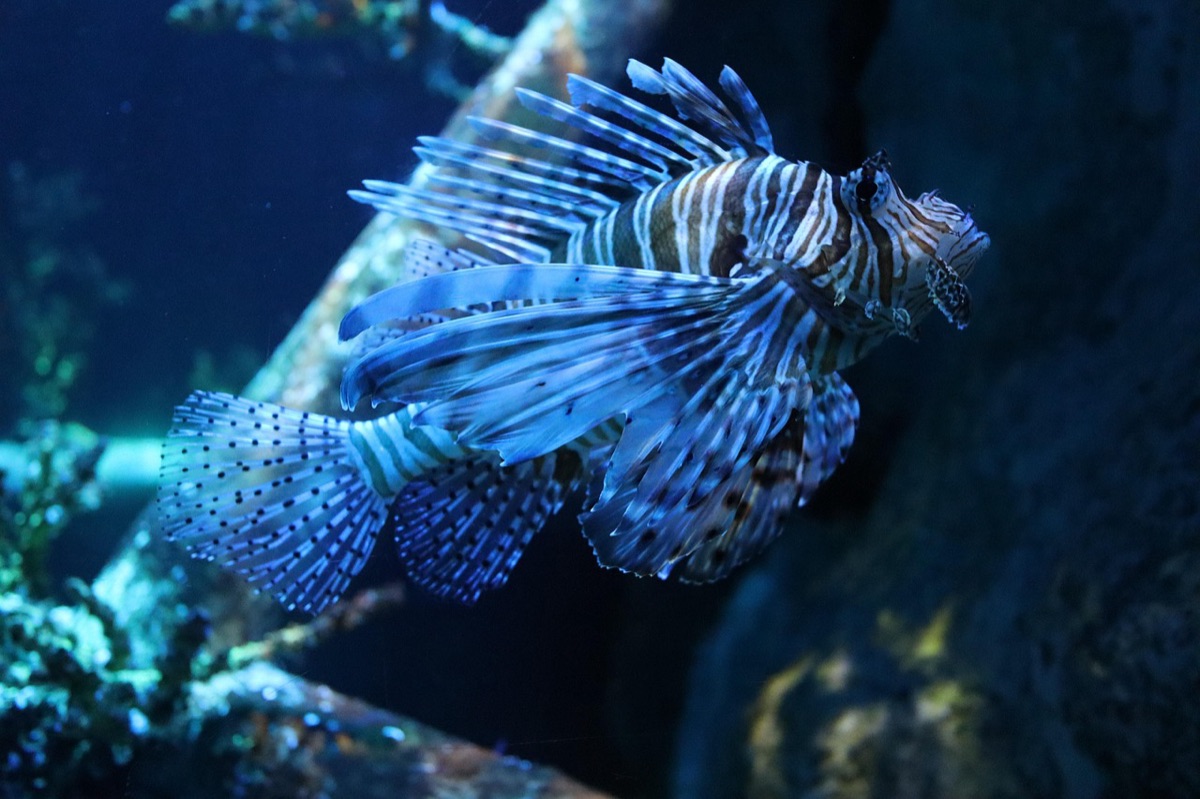
What are the rules for the MPAs? At noon, I stood on the pier in Koror, feeling the heavy heat as I watched the turquoise waves crash against the pilings.
I remember standing on a pier in Koror at noon, watching a group of travelers try to pack oversized souvenir shells into their bags, only to be gently but firmly corrected by a local guide. The look of realization on their faces was clear: the rules here are different.
The Marine Protected Areas (MPAs) in Palau are not merely suggestions; they are legal boundaries. The primary responsibility of every visitor is to leave no trace. This means a strict zero-tolerance policy regarding touching, collecting, or disturbing any marine life.
Whether it is a piece of coral, a giant clam, or a passing sea turtle, the rule is simple: look, but never touch.
Chemical usage is another critical area of regulation. Because coral bleaching is a global threat, Palau has strict guidelines regarding sunscreen. Visitors are encouraged to use reef-safe, mineral-based sunscreens, and the disposal of chemicals into the water is strictly prohibited.
Many tours also require an "environmental pledge," a mental and sometimes written commitment to uphold the Palau Pledge—a promise made by every visitor to the nation to protect its children and its environment.
Navigational awareness is equally important. Not all blue water is the same. Some areas are highly sensitive zones where human presence is limited to specific paths to prevent habitat destruction. This is why working with certified local guides is essential.
They understand the nuances of which reefs can handle foot traffic and which must remain untouched.
| Rule Category | Visitor Action | Purpose |
|---|---|---|
| Marine Life | Do not touch, feed, or collect organisms. | To prevent physical damage and behavioral disruption. |
| Chemicals | Use only reef-safe sunscreen. | To prevent coral bleaching and chemical toxicity. |
| Physical Impact | Do not stand on coral or anchor on reefs. | To prevent habitat destruction. |
| Compliance | Follow all guide instructions and local laws. | To maintain the integrity of the MPA. |
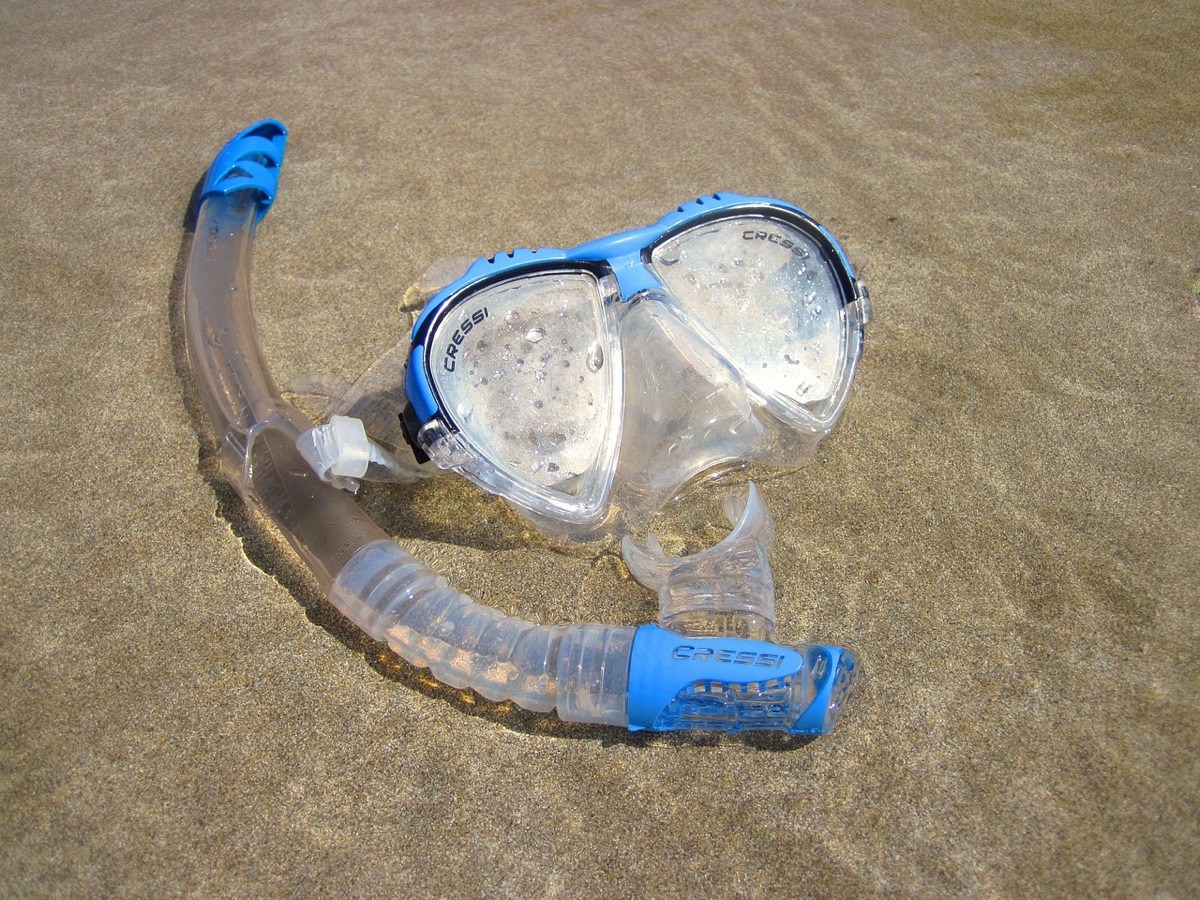
How can I tailor my experience if I'm a diver or snorkeler? The mask slipped slightly against my face as I adjusted my snorkel at 10:00 AM, peering down at a reef that seemed to pulse with life just inches below the surface.
For divers, the experience is one of depth and technical respect. Because many of Palau's most famous sites, like Blue Corner, involve significant currents and deep-water encounters, specialized licenses and permits are often required.
Divers must be acutely aware of decompression protocols and buoyancy control. In a protected area, poor buoyancy isn't just a safety risk; it is an environmental hazard that can destroy decades of coral growth in a single kick.
When encountering megafauna like Manta Rays, divers must practice "passive observation"—staying still and letting the animals come to you rather than chasing the shot.
Snorkelers and surface users have a different but equally important role. In shallower areas, the focus is on low-impact observation.
Activities like kayaking through the mangroves or paddleboarding near the Rock Islands allow for incredible visibility without the risk of heavy gear contacting the seabed. The goal for snorkelers is to maintain a neutral position in the water, ensuring that fins never strike the reef.
Whether you are descending into the blue or floating on the surface, the objective remains the same: to witness the majesty of the ocean without becoming a part of its destruction.
Planning Your Trip: Logistics & Timing
I sat in a small cafe in Koror at 4:00 PM, checking my itinerary against the local weather report, wondering how to best balance my desire to see everything with the need to respect the natural rhythm of the islands.
Choosing the right operator is the most important logistical step in your planning. Not all tour companies are created sender. You should look for operators that are officially certified by the Palauan government and have a proven track record of environmental stewardship.
A reputable guide will not only know where the best fish are but will also know how to keep your group away from sensitive habitats.
When selecting tours, consider the following steps to ensure a responsible trip:
- Verify Certifications: Always ask if your operator is licensed by the local government and follows MPA protocols.
- Match Activity to Skill: Do not attempt deep-water dives if you are not certified, and do not take a high-speed boat tour to a sensitive lagoon if a kayak is an option.
- Check Seasonality: Understand that certain areas may be closed during specific breeding seasons for marine life.
- Pack Responsibly: Bring reef-safe sunscreen and reusable water bottles to minimize plastic waste in the islands.
- Prepare for the Pledge: Be ready to respect the local culture and the environmental commitments you made upon arrival.




Comments 0